

In an industry often defined by centuries-old institutions and incremental change, the deliberate and talent-first construction of a new specialty underwriting division signals a significant shift in competitive strategy. HIVE Underwriters, an independent specialty Managing General Agent (MGA), has officially launched its marine division, a move that reinforces its ambition to build a multi-line powerhouse focused on practitioner-led expertise in the world’s most complex risk sectors. This expansion is not merely an addition of a new business line; it represents a calculated maneuver into a market where deep, specialized knowledge is becoming the most valuable currency.
A Calculated Power Play in High Stakes Insurance
The world of specialty insurance is one of immense pressure and high financial stakes, where a single miscalculation can have cascading consequences. It is within this demanding environment that HIVE has initiated its latest power play. By assembling a team of industry veterans, the firm is making a clear statement about its intentions. The move is timed to capitalize on a growing market need for nuanced underwriting in marine, a sector experiencing unprecedented complexity due to evolving global supply chains, geopolitical instability, and technological disruption.
This expansion is being watched closely because it challenges the traditional growth model. Instead of acquiring an existing book of business or building capacity first, HIVE has led with talent, securing a leadership team with a proven track record. This approach suggests a long-term vision focused on establishing a sustainable and profitable portfolio from the ground up, built on reputation and expertise rather than sheer market volume. It is a strategic gambit that prioritizes quality and precision in a field where both are in high demand.
Riding a Strategic Tide That Is Reshaping Risk
HIVE Underwriters has already carved out a significant reputation as a specialty MGA with successful platforms in the equally complex aviation and space sectors. The expansion into marine is therefore the next logical step in its disciplined growth strategy. This venture is not an isolated effort but part of a broader vision to dominate niche, high-barrier-to-entry insurance markets where practitioner-led insight provides a decisive competitive edge. The firm is positioning itself as a hub for elite underwriters who can navigate intricate risk landscapes.
The real-world stakes underpinning this move are immense. Global shipping, logistics, and marine transport are the lifeblood of the global economy, yet they face a convergence of modern risks, from cyber threats targeting port operations to the increasing value of cargo and the liabilities associated with sophisticated supply chains. By entering this arena, HIVE is tapping into a critical and expanding need for specialized insurance solutions that can adequately address the multifaceted challenges of twenty-first-century maritime commerce.
The Core Components of HIVE’s Marine Blueprint
The foundation of this new venture is its leadership. HIVE has assembled a formidable team, with Alistair Marriott, a renowned global cargo and portfolio-building expert from Everest Insurance, taking the helm as Head of Marine. He is joined by Jared Short, formerly of Markel International, whose deep expertise in specialized liability and logistics will shape his role as Head of Transportation. Completing the trio is Nick Lewis, who joins as the division’s Marine Chief Underwriting Officer, solidifying a leadership team with complementary skills and a shared history of market success.
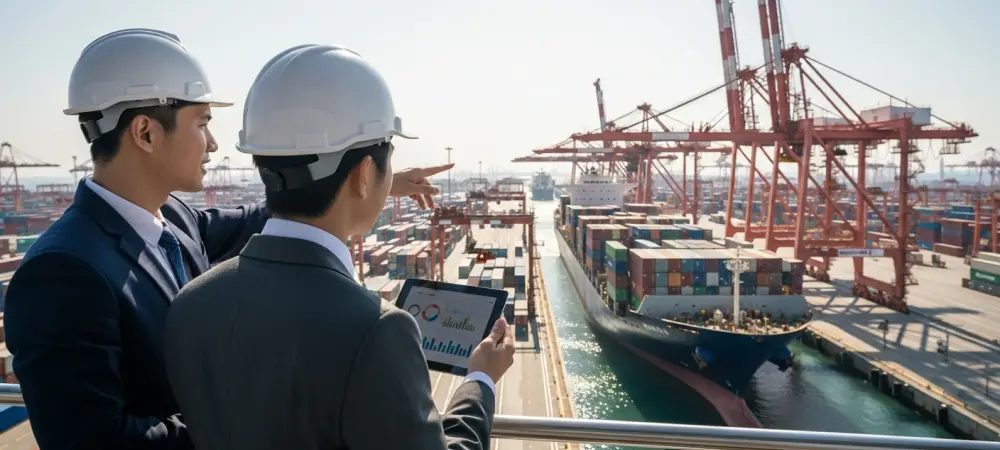
From its inception, the marine platform has been designed as a specialist operation, deliberately bypassing the broad, commoditized market in favor of intricate, niche segments. The strategy is to target complex, liability-driven portfolios where technical expertise is paramount. This includes focusing on the unique risks associated with ports, terminals, and warehousekeepers, areas often underserved by generalist insurers. This “niche, not a net” approach allows the team to apply its concentrated knowledge to deliver superior underwriting outcomes. The operational blueprint for the division fuses this practitioner-led expertise with the power of robust data analytics, creating a sophisticated underwriting engine. This model is supported by aligned capacity from both Lloyd’s syndicates and company markets, ensuring a stable and responsive capital base. Central to this framework is a commitment to building strong, collaborative partnerships with brokers, ensuring that the team’s specialized solutions are effectively delivered to clients with complex needs.
Voices from the Helm on the Vision Behind the Venture
According to CEO Bruce Carman, the ambition extends far beyond simply launching a new division. The goal is to build a truly sustainable marine business centered on what he calls “exceptional, senior practitioners.” He emphasized that both Marriott and Short bring not only strong reputations for technical excellence but also a shared understanding of how to build and grow marine portfolios for consistent, long-term profitability. This philosophy underscores HIVE’s core belief that enduring success is built on people, not just capital.
This distinct vision was a powerful magnet for the new hires. Both Alistair Marriott and Jared Short expressed their enthusiasm for the opportunity to build a new marine platform within an independent and entrepreneurial culture. They were drawn to HIVE’s differentiated approach, which prioritizes performance and underwriting discipline over the pursuit of short-term volume. This shared commitment to a long-term perspective is a critical element of the venture’s DNA, setting it apart from competitors who may be driven by quarterly growth targets.
A Modern Playbook for Specialized Market Entry
HIVE’s expansion offers a compelling playbook for entering a specialized market. The strategy is unequivocally clear: lead with talent, not just capital. By securing top-tier, reputable experts as the cornerstone of the expansion, the firm ensured that credibility and deep market knowledge were embedded in the venture from day one. This talent-first approach de-risks the entry and immediately establishes the new division as a serious and capable player.
Furthermore, the strategy highlights the competitive advantage of precisely defining the battlefield. Instead of attempting to compete across the entire marine market, HIVE has targeted niche sectors where deep, specialized knowledge outweighs the advantages of scale. This focus on complex liabilities for ports, terminals, and logistics operators allows the team to leverage its unique expertise to create value in areas where larger, more generalized carriers cannot effectively compete. Ultimately, HIVE’s model demonstrates how an independent, performance-focused environment can attract elite talent away from established industry giants. By cultivating a culture that empowers its experts and rewards long-term, profitable underwriting, the firm has created an attractive proposition for senior practitioners seeking an entrepreneurial setting. This focus on culture is perhaps the most critical component, serving as both the foundation and the engine for its strategic growth. The successful launch of the marine division confirmed that this approach was not just a theory but a powerful, executable strategy for building a modern specialty insurer.