

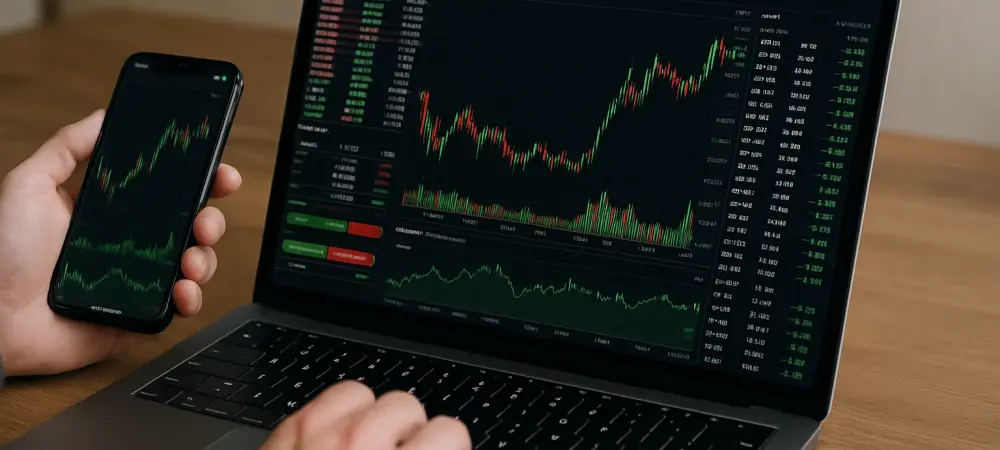
What if the secret to mastering the volatile world of cryptocurrency trading was hidden in just a few lines of code? In today’s fast-paced digital economy, crypto exchange APIs have emerged as the unsung heroes, enabling traders, developers, and innovators to navigate the trillion-dollar market with precision and speed. These powerful tools act as invisible bridges, connecting users to real-time data, automated trades, and cutting-edge financial solutions. This feature dives deep into the engine room of crypto trading, revealing why these interfaces are not just technical jargon but game-changers reshaping the landscape of digital assets.
The Hidden Force Behind Crypto’s Explosive Growth
At the heart of the cryptocurrency boom lies a critical need for efficiency and access. With daily trading volumes surpassing billions of dollars on platforms like Binance and Coinbase, manual trading struggles to keep pace with market volatility. Crypto exchange APIs fill this gap, offering programmatic access that automates processes and scales operations. Their importance cannot be overstated—whether it’s a retail investor checking Bitcoin’s price or a hedge fund executing million-dollar trades in milliseconds, these APIs are the backbone of modern crypto interactions. They empower users to stay ahead in a space where timing often means the difference between profit and loss.
The ripple effect of this technology extends beyond individual traders. Fintech startups and decentralized finance (DeFi) projects rely on APIs to build innovative apps, from portfolio trackers to lending platforms. As the crypto ecosystem grows, with market capitalization hitting new highs each year, the role of APIs as enablers of connectivity and automation becomes undeniable. This is not just about trading; it’s about building the infrastructure for a borderless financial future.
Decoding the Magic: What Crypto Exchange APIs Really Do
Diving into the mechanics, crypto exchange APIs come in various forms, each tailored for specific needs. Public APIs grant access to market data like price tickers and order books without requiring user credentials, making them ideal for research or basic apps. Authenticated APIs, on the other hand, unlock personal actions such as placing trades or checking account balances, secured by unique keys. Then there are WebSocket APIs, prized for delivering live updates with minimal delay, a must-have for high-frequency trading setups.
Their functions span a wide spectrum, from fetching real-time Ethereum prices to executing complex buy-sell orders across multiple exchanges. Developers tap into these tools to create everything from simple mobile widgets to institutional-grade systems managing vast portfolios. Take the example of a trading bot on Kraken—using APIs, it can monitor price dips, execute trades, and log profits, all without human input. This versatility shows how APIs transform raw data into actionable opportunities.
Beyond trading, their impact is felt in diverse applications. Tax reporting tools pull transaction histories to simplify compliance, while analytics dashboards aggregate market trends for strategic insights. These use cases highlight a broader truth: APIs are not just for coders—they’re catalysts for anyone looking to engage with crypto markets on a deeper level.
Securing the Vault: Why Safety Is Non-Negotiable
In a world where crypto hacks make headlines, security stands as the cornerstone of API usage. Experts stress that robust authentication is the first defense against threats. Methods like API keys paired with secret codes, HMAC signatures, and OAuth 2.0 protocols ensure that only authorized users access sensitive functions. A seasoned developer recently noted in a tech discussion, “A single exposed key can drain an account in minutes—always encrypt credentials and never hard-code them.”
Statistics paint a stark picture: over 60% of crypto breaches trace back to poor security practices, such as storing keys in unsecured environments. Real-world incidents, like traders losing funds after accidentally sharing keys on public forums, underscore the stakes. Best practices include IP whitelisting to limit access to trusted devices and scoped permissions to restrict what an API key can do. The message is clear—every interaction carries risk, and proactive safeguards are essential to protect digital wealth.
Education plays a vital role as well. Many exchanges now offer detailed guides on securing API integrations, urging users to treat keys like bank passwords. As cyber threats evolve, staying vigilant and adopting layered defenses remain critical to ensuring trust in these powerful tools.
Mastering the Game: Strategies for API Success
For those ready to leverage crypto exchange APIs, practical know-how can make all the difference. Start by selecting the right resources—SDKs and client libraries in languages like Python or JavaScript simplify integration with platforms such as KuCoin or Bitfinex. These pre-built tools cut down on coding time, letting developers focus on strategy rather than syntax.
Handling limitations is another key skill. Rate limits, set by exchanges to prevent server overload, can disrupt workflows if ignored. Batching requests to minimize calls and using WebSocket streams for live data instead of constant polling help sidestep the frustrating 429 Too Many Requests error. For trading bots, backtesting with historical data and simulating trades in sandbox environments offer a risk-free way to refine algorithms before going live.
Monitoring performance also separates amateurs from pros. Logging latency, tracking error rates, and setting alerts for unusual activity ensure systems run smoothly. Compliance adds another layer—adhering to KYC and AML regulations is non-negotiable, especially in tightly regulated markets. By blending technical precision with strategic planning, users can unlock the full potential of APIs while avoiding common pitfalls.
Voices from the Frontline: Real Stories of API Impact
Behind the code lie stories of transformation. A freelance developer based in San Francisco shared how APIs turned a hobby into a career. “I built a simple arbitrage bot using Binance’s API, scanning for price gaps across exchanges. Within months, it scaled to generate steady income—something I never imagined possible without coding access,” they explained. This personal journey reflects a wider trend of APIs democratizing financial tools for everyday individuals.
On a larger scale, fintech firms echo similar sentiments. A product manager at a DeFi startup revealed how APIs fueled their growth. “Integrating Coinbase’s API let us launch a portfolio tracker in weeks, not months. It’s now used by thousands to manage assets seamlessly,” they noted. Such accounts highlight the tangible impact of APIs, turning abstract technology into concrete results for businesses and users alike.
Even challenges carry lessons. A trader recalled a costly mistake: “I hit rate limits during a market spike and missed a trade window. It taught me to optimize requests and use real-time streams.” These firsthand experiences paint a vivid picture of a tool that, while powerful, demands respect and skill to wield effectively.
Looking Back, Moving Forward: Lessons and Next Steps
Reflecting on the journey through the world of crypto exchange APIs, their role as indispensable connectors in the digital asset space stands out. From automating trades to powering innovative apps, they bridge the gap between complex markets and user needs with remarkable efficiency. The stories of developers and firms alike paint a picture of empowerment, where access to these tools sparks new opportunities.
Security remains a constant theme, with hard-learned lessons about protecting keys and building defenses against ever-present threats. Strategies for optimization and compliance also emerge as vital, ensuring that power comes with responsibility. Each insight adds depth to the understanding of how these interfaces shape the crypto landscape. Moving forward, the focus shifts to action—exploring API documentation from leading exchanges offers a starting point for beginners and experts alike. Experimenting in sandbox environments can build confidence, while staying updated on evolving security standards guards against risks. As the crypto world continues to expand, embracing these tools with curiosity and caution promises to unlock even greater potential in the years ahead.