

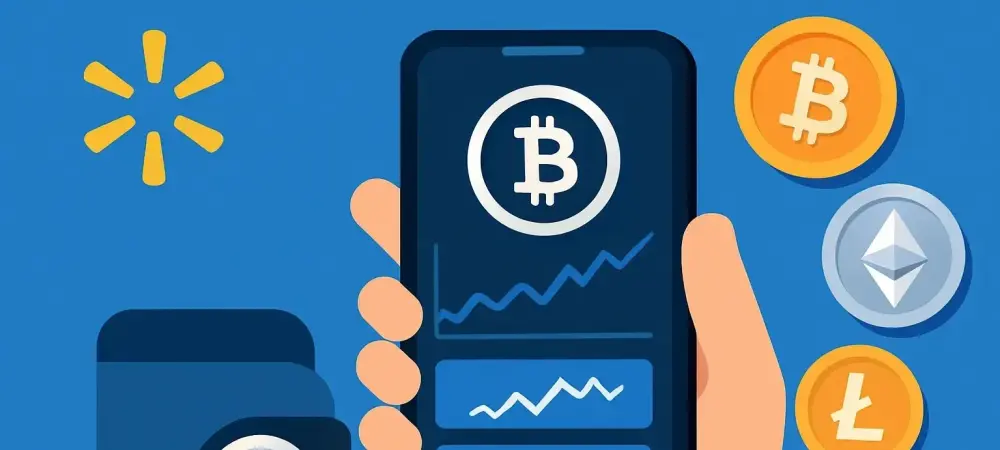
Imagine a world where a single app manages your daily finances, pays for groceries, and even lets you trade cryptocurrencies like Bitcoin—all from the comfort of a familiar retail giant’s ecosystem. This isn’t a distant dream but a reality taking shape with Walmart’s OnePay platform. As fintech continues to blur the lines between retail and financial services, OnePay stands out by integrating cutting-edge features into an accessible, consumer-friendly interface. This review delves into the platform’s innovative offerings, particularly its foray into crypto trading, and evaluates how it positions itself in a competitive landscape dominated by established players.
Unveiling the OnePay Platform
Walmart’s venture into fintech through OnePay marks a bold pivot for a retailer traditionally associated with physical stores and everyday low prices. Launched through a strategic partnership with Ribbit Capital, the platform has quickly climbed the ranks to become a top contender among finance apps on major app stores. Its mission is clear: to serve as a comprehensive financial hub that caters to a broad spectrum of consumer needs, from basic banking to advanced investment options.
The relevance of OnePay in today’s fintech ecosystem cannot be overstated. With growing demand for integrated solutions that combine convenience and functionality, the app taps into a market hungry for all-in-one platforms. This aligns with global trends where consumers expect seamless experiences across multiple services, positioning OnePay as a potential game-changer in how retail and finance intersect.
Core Features of OnePay’s Fintech Arsenal
Cryptocurrency Trading Breakthrough
One of the most talked-about additions to OnePay is its integration of cryptocurrency trading, made possible through a collaboration with Zerohash. This feature enables users to trade popular digital assets like Bitcoin and Ether directly within the app, a move that places the platform at the forefront of financial innovation. While exact details on functionalities such as transaction limits or wallet security remain under wraps, the potential to hold and convert crypto to fiat for purchases is a significant draw.
This step is not just a novelty but a strategic alignment with market demands, as digital currencies gain mainstream acceptance. By offering crypto trading, OnePay competes directly with fintech giants that have already embraced this space, enhancing its appeal to tech-savvy users. The significance lies in its ability to democratize access to cryptocurrencies through a trusted retail brand, potentially onboarding millions to this emerging asset class.
Comprehensive Financial Services Suite
Beyond crypto, OnePay boasts a diverse portfolio of financial tools designed to mirror the super app model seen in markets like China. From credit and debit cards to savings accounts, the platform covers essential banking needs. It also offers buy-now-pay-later options through a partnership with Klarna, alongside peer-to-peer payments and a digital wallet for seamless transactions.
Additional services, such as wireless plans, showcase OnePay’s ambition to be more than just a payment app. A notable collaboration with Synchrony for store-branded credit cards further embeds the platform within Walmart’s ecosystem while extending its utility to everyday shoppers. This broad array of offerings enhances user engagement by providing a one-stop shop for financial management, setting a high bar for convenience.
Fintech Trends and OnePay’s Strategic Vision
The fintech industry is witnessing a seismic shift toward super apps, platforms that integrate a wide range of services into a single interface, inspired by successes like Alipay and WeChat Pay. OnePay’s strategy reflects this trend through its aggressive diversification, aiming to capture users by meeting varied needs under one digital roof. This approach is evident in its expansion beyond traditional payments into areas like crypto and telecom services.
Comparatively, competitors such as PayPal, Venmo, and Cash App are also broadening their ecosystems, with some already offering robust crypto features. However, OnePay benefits from Walmart’s massive customer base and retail infrastructure, providing a unique entry point into fintech. The challenge lies in matching the maturity and trust these rivals have built, but the platform’s trajectory suggests a focus on rapid innovation to close that gap.
Real-World Utility of OnePay
For consumers, OnePay offers practical solutions that extend far beyond Walmart’s aisles. Everyday financial tasks, from paying bills to splitting costs with friends, are streamlined within the app, making it a valuable tool for managing personal finances. The potential to use converted crypto funds for in-store purchases adds a layer of flexibility that few platforms can match.
Unique to OnePay is its deep integration with Walmart’s retail environment, exemplified by partnerships like the one with Synchrony for branded credit cards. This synergy allows users to leverage financial services directly tied to their shopping habits, creating a cohesive experience. Such applications highlight how the platform is reshaping consumer interactions with both finance and retail on a daily basis.
Hurdles and Constraints for OnePay
Despite its promising growth, OnePay faces significant challenges in a crowded fintech market. Established players like PayPal and Cash App not only have larger user bases but also more advanced crypto functionalities, posing a steep competitive barrier. Gaining user trust as a relatively new entrant remains a critical hurdle, especially in sensitive areas like digital asset management.
Regulatory complexities surrounding cryptocurrency trading further complicate OnePay’s path forward. Navigating compliance while ensuring a secure user experience is no small feat, and missteps could undermine confidence. However, strategic alliances and a focus on innovation are helping the platform address these obstacles, though sustained effort will be required to build credibility.
Looking Ahead: OnePay’s Future in Fintech
The roadmap for OnePay appears ambitious, with potential expansions in its crypto offerings likely to include more digital assets and enhanced trading tools. Beyond this, further diversification of services could see the platform venturing into insurance or investment products, solidifying its super app aspirations. Such developments would deepen its impact on how consumers manage their financial lives.
The long-term implications of blending retail with fintech are profound, potentially setting new industry standards for convenience and integration. As OnePay evolves, its influence could reshape consumer behavior, encouraging a shift toward unified platforms over fragmented services. Keeping pace with technological advancements will be key to maintaining momentum in this dynamic space.
Final Thoughts on OnePay’s Journey
Reflecting on the evaluation, OnePay has carved a notable path by merging retail familiarity with cutting-edge financial tools, particularly through its crypto trading integration. Its comprehensive service suite and strategic partnerships underscore a commitment to innovation that challenges industry norms. While competition and regulatory hurdles test its resilience, the platform demonstrates potential to redefine user expectations. Moving forward, the focus should center on enhancing user education around cryptocurrency features to boost adoption, alongside strengthening security measures to build trust. Exploring additional partnerships could further expand its offerings, ensuring relevance in an ever-evolving market. As the fintech landscape continues to shift, OnePay’s ability to adapt and innovate promises to keep it at the forefront of this transformative era.