

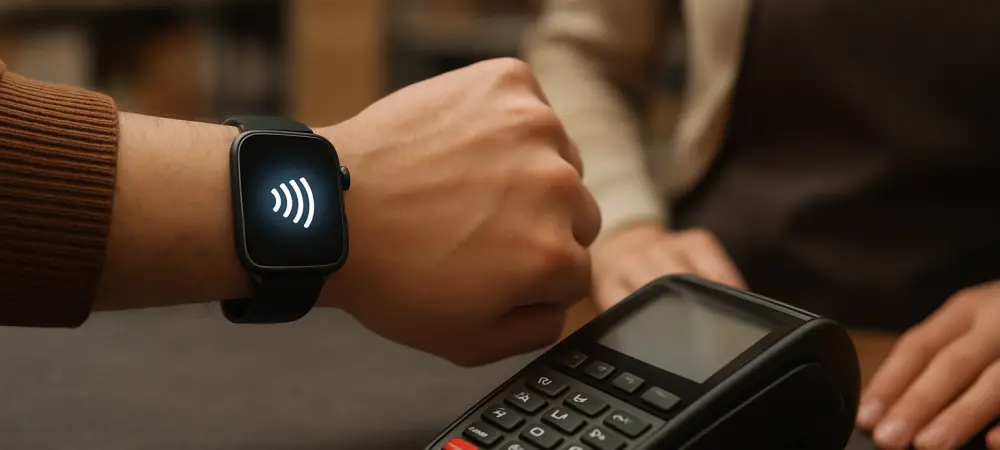
While Google Wallet pioneered mobile payments in 2011, it took nearly fifteen years for the world’s largest retailer to embrace the technology fully. For over a decade, shoppers navigating the aisles of Walmart were met with a unique technological hurdle: the inability to use the ubiquitous NFC-based payment systems that had become standard in almost every other major American retail chain. Instead of adopting the industry-wide protocols of Apple and Google, the company steered its massive customer base toward a proprietary solution known as Walmart Pay. This resistance was not merely a matter of hardware costs but was deeply rooted in a desire to maintain direct control over transaction data and customer relationship management. As 2026 progresses, the retail landscape has shifted so significantly that even the most steadfast holdouts have found it necessary to prioritize consumer convenience over data silos. This long-awaited integration marks a pivotal moment for millions of daily shoppers who can now enjoy a unified and frictionless checkout experience.
1. The Strategy of Closed Ecosystems
Walmart Pay was released in 2015 as a direct in-store alternative to the rising tide of Apple and Google services. The key selling point for the retailer was a QR code system, which allowed the service to function on virtually any smartphone without requiring specific Near Field Communication hardware. This approach ensured that the widest possible range of customers could access digital payments, but it came at the cost of user friction. Unlike the seamless “tap and go” experience offered by competitors, Walmart Pay required users to open an app, activate a camera, and scan a code at the register.
Furthermore, the proprietary system gave the company unparalleled insight into shopping habits by linking every transaction directly to a user’s Walmart account. This contrasted sharply with the privacy-focused architecture of Apple Pay and Google Pay, which utilize tokenization to mask sensitive card details and prevent merchants from tracking individual purchasing histories. By finally opening their terminals to these third-party platforms, the company has signaled a major pivot toward privacy and interoperability. This change reflects a broader industry realization that customer loyalty is driven more by ease of use than by forced ecosystem participation.
2. National Rollout and Infrastructure Milestones
The implementation of these services has followed a phased approach to ensure stability across thousands of retail locations and millions of point-of-sale terminals. While select stores began testing the functionality early in the year, the comprehensive national rollout is now nearing completion. By the end of 2026, every Walmart and Sam’s Club location in the country will have fully functional NFC support at every register. This transition involves not only software updates but also the certification of payment hardware to meet the latest security standards for contactless EMV transactions, ensuring that physical tap-to-pay cards work just as reliably as mobile wallets.
Beyond the main retail floors, the company has set a firm timeline for its peripheral services, such as gas stations and specialized service centers. Estimates suggest that all Walmart and Sam’s Club fuel stations will gain contactless support by the middle of 2027, closing the final gap in their digital payment strategy. This is a significant move considering that Apple Pay currently accounts for roughly 50% of in-store mobile transactions in the United States. With over $9.5 trillion moving through the Apple ecosystem globally, capturing even a fraction of that flow through streamlined checkouts represents a substantial opportunity for growth and customer retention.
3. Essential Procedures for Mobile Configuration
For those looking to utilize these features immediately, the setup process for Apple Pay remains straightforward on compatible iPhone and Apple Watch models. Users simply need to open the Wallet app, tap the plus symbol, and follow the prompts to add a credit or debit card. The system allows for rapid entry by using the camera to scan the card or by manually inputting the details. Verification is typically handled through the user’s banking app or via a secure text message code. Once confirmed, the card is ready for use at any Walmart terminal, requiring only a double-click of the side button and a quick biometric authentication via FaceID or TouchID to complete a purchase.
On the Android side, Google Pay offers a similarly efficient experience through the Google Wallet application. Users tap the “Add to Wallet” button and select “Payment card” to begin the integration process. Android devices must have NFC enabled in the system settings to communicate with the store’s payment terminals. Like its iOS counterpart, Google Pay utilizes robust encryption to keep financial information secure during the handshake between the phone and the register. After the initial bank verification, shoppers can pay by simply waking their phone and holding it near the reader, significantly reducing the time spent at the checkout counter compared to traditional card swipes.
4. Optimizing Your Checkout Experience
Shoppers who adopted these new payment methods reported a marked improvement in their daily routines as the friction of manual scanning disappeared. The transition proved that the retail industry moved toward a more unified standard where convenience and security were no longer mutually exclusive. As the rollout concluded, the focus shifted toward ensuring that all users understood the benefits of these encrypted transactions. Many customers updated their mobile operating systems to ensure they possessed the latest security patches before visiting high-traffic locations. This proactive approach helped minimize technical delays and ensured that the initial launch phase remained smooth for the majority of the public.
To maximize the benefits of this system, users often checked their bank’s specific compatibility with mobile wallets to ensure no transaction limits interfered with larger purchases. It also proved beneficial to set a default card within the digital wallet to speed up the process even further. Looking back, the integration of these platforms paved the way for more advanced loyalty program features, where rewards applied automatically at the point of tap. Staying informed about these updates and ensuring that biometric security features were properly calibrated remained the most effective method for maintaining a secure and rapid shopping experience throughout the evolving retail environment.