

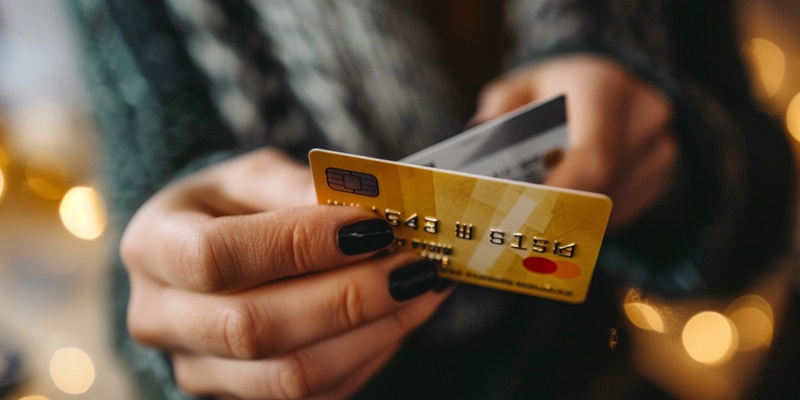
Visa, a global leader in digital payments, has unveiled a new Online Toolkit designed to help small and medium-sized businesses (SMBs) in Vietnam effectively accept and utilize Visa’s contactless payment solutions. This initiative is part of Visa’s ongoing commitment to empower Vietnamese SMBs and stimulate the national economy by streamlining the adoption of modern payment methods. With the rise of digital transactions, particularly in the wake of the COVID-19 pandemic, this toolkit emerges as a critical resource for merchants aiming to meet growing consumer demands for contactless payments.
Access the Toolkit
Begin by visiting Accept Payments | Visa Merchant Accounts to find the SMB Online Toolkit. Visa has made the toolkit accessible on its website, ensuring that all interested merchants can easily locate and utilize the resources provided. This toolkit serves as a comprehensive guide, offering step-by-step instructions to help businesses integrate contactless payment methods seamlessly into their operations. By providing an online resource, Visa aims to remove potential barriers to entry and simplify the process for SMBs, thus enabling them to take full advantage of digital payment technologies.
The availability of the toolkit online ensures that it is always up-to-date with the latest information and best practices. Businesses can access it from anywhere, at any time, making it a convenient and flexible resource. This is especially beneficial for SMBs that may not have the time or resources to attend in-person training sessions. By leveraging the online toolkit, merchants can learn at their own pace and implement contactless payment solutions in a manner that best suits their business needs and schedules.
Select Language Preference
The toolkit is available in Vietnamese and English. Choose your preferred language to proceed. Visa recognizes the importance of language accessibility and has catered to the diverse linguistic needs of the Vietnamese market. By offering resources in both Vietnamese and English, Visa ensures that language barriers do not hinder the adoption of new payment technologies. This dual-language support helps to make the toolkit more inclusive, allowing a broader range of businesses to benefit from the resources provided.
Selecting the language preference is a straightforward process, enabling users to comfortably navigate the toolkit in their chosen language. This accessibility feature is crucial for ensuring that all SMBs, regardless of their primary language, can fully understand and implement the guidelines provided. It reflects Visa’s commitment to supporting Vietnamese businesses in their journey towards digitalization, ensuring that no one is left behind due to language constraints.
Initiate Contactless Transactions
Follow the thorough guidelines provided to start and manage contactless payments efficiently. The toolkit includes detailed, easy-to-follow instructions that guide businesses through the process of setting up and managing contactless payment systems. These instructions cover everything from initial setup to troubleshooting, providing a comprehensive guide to ensure that merchants can smoothly implement and operate contactless transactions. This step-by-step approach helps to demystify the process, making it accessible even to those who may not be technologically savvy.
Visa’s guidelines are designed to be user-friendly and practical, focusing on real-world applications. They include tips and best practices to help businesses maximize the benefits of contactless payments. By following these guidelines, merchants can ensure that they are providing a seamless, secure, and efficient payment experience for their customers. This not only enhances customer satisfaction but also boosts the business’s reputation as a modern, innovative enterprise that keeps up with the latest payment trends.
Understand Payment Symbols
Learn about the universal Contactless Indicator on Visa cards and the Contactless Symbol on payment readers. The toolkit helps merchants become familiar with these symbols, which are critical for facilitating smooth and efficient contactless transactions. Understanding these indicators helps businesses ensure that they have the right infrastructure in place to accept payments and that customers are aware of the available payment options. These symbols act as visual cues that simplify the payment process for both merchants and consumers, making it clear when contactless payments can be used.
The universal Contactless Indicator and the Contactless Symbol are integral to the functioning of contactless payment systems. They provide reassurance to consumers that their payment method will be accepted smoothly and securely. By educating merchants about these symbols, Visa aims to promote consistency and reliability across all contactless transactions. This not only improves the overall payment experience but also fosters consumer trust in the reliability and security of contactless payment methods.
Utilize Compatible Devices
Identify and use compatible devices such as mobile phones, tags, or smartwatches to make payments at contactless terminals. The toolkit provides detailed information on the various devices that can be used for contactless payments, ensuring that merchants are aware of all the available options. This includes traditional contactless cards as well as modern digital payment methods using mobile phones, tags, and smartwatches. By understanding the range of compatible devices, merchants can offer their customers more flexibility and convenience in how they choose to pay.
Leveraging these compatible devices plays a significant role in enhancing the customer experience. It allows businesses to cater to a wider audience by accommodating different payment preferences. Additionally, utilizing these devices can streamline the payment process, making it quicker and more efficient. This can lead to increased customer satisfaction and loyalty, as consumers appreciate the ease and speed of contactless transactions. By embracing a variety of compatible devices, businesses can position themselves as forward-thinking and customer-centric.
Aim for Cashless Transactions
Aim to transition towards cashless transactions, as endorsed by the Visa Consumer Payment Attitudes study. The toolkit encourages businesses to move towards a cashless model, highlighting the benefits of doing so. The Visa Consumer Payment Attitudes study revealed a growing preference for cashless transactions among Vietnamese consumers, with a significant percentage of consumers having attempted to go cashless. This shift in consumer behavior presents a valuable opportunity for SMBs to adapt and align with emerging payment trends.
Moving towards cashless transactions can offer numerous advantages for businesses. It can reduce the costs associated with handling and managing cash, streamline operations, and improve financial reporting accuracy. Additionally, cashless transactions can enhance security by minimizing the risk of theft or loss associated with cash handling. By adopting cashless payment methods, businesses can also attract and retain customers who prefer the convenience and security of digital payments. This transition aligns with broader global trends towards digitalization and positions SMBs to thrive in an increasingly cashless economy.
Bolster Consumer Confidence
Reassure customers by leveraging the Visa brand’s reputation and its commitment to zero-liability for unauthorized transactions. Visa’s strong brand reputation and its zero-liability policy for unauthorized transactions play a crucial role in building consumer confidence in contactless payments. The toolkit emphasizes the importance of communicating these benefits to customers, helping to alleviate any concerns they may have about the security of contactless transactions. By highlighting Visa’s commitment to protecting customers, businesses can foster trust and encourage greater adoption of contactless payments.
Building consumer confidence is essential for the successful implementation of contactless payment methods. When customers feel secure in their transactions, they are more likely to use contactless payments regularly. This can lead to increased transaction volumes and, ultimately, higher revenues for businesses. By leveraging Visa’s brand reputation and security features, SMBs can differentiate themselves in the market and attract tech-savvy customers who prioritize security and convenience in their payment choices.
Embrace Digital Solutions
Visa, a global powerhouse in digital payments, has introduced an innovative Online Toolkit specifically tailored for small and medium-sized businesses (SMBs) in Vietnam. This tool aims to help these businesses effectively accept and leverage Visa’s contactless payment solutions. This latest initiative underscores Visa’s steadfast commitment to empowering SMBs in Vietnam and fuelling the national economy by facilitating the seamless adoption of contemporary payment methods.
With the surge in digital transactions, particularly intensified by the COVID-19 pandemic, this toolkit emerges as a vital resource. It assists merchants in keeping pace with the growing consumer preference for contactless payments. By equipping SMBs with the necessary tools and knowledge, Visa not only enhances their operational efficiency but also helps them to tap into the burgeoning market of digital consumers. This move reflects Visa’s broader strategy to drive economic growth and innovation by making advanced payment technologies accessible to smaller enterprises, thus enabling them to thrive in a rapidly evolving digital landscape.