

The rapid acceleration of digital marketplaces across Vietnam has created a paradox where clicking a button is instantaneous but physical delivery remains tethered to a fragmented and high-cost infrastructure. This logistical burden consumes nearly 16 to 17 percent of the national gross domestic product, positioning the country at a disadvantage compared to regional neighbors like Thailand and Malaysia, where these costs are significantly lower. As the market marches toward a projected cross-border valuation of $2 billion by the year 2030, the underlying question remains whether such momentum is sustainable.
Last-mile delivery functions as the most expensive segment of the supply chain, often accounting for more than 53 percent of total shipping expenditures. This financial pressure is particularly acute for local enterprises trying to balance thin margins with the rising expectations of a consumer base that demands rapid fulfillment. The disconnect between digital potential and physical reality represents a multi-billion dollar gap that defines the current competitive landscape in Southeast Asia, requiring a radical shift in how goods are moved.
The Logistical Gap: A Multi-Billion Dollar Challenge in Southeast Asia
The economic weight of moving goods in Vietnam is a significant barrier to entry for many emerging brands. Currently, the logistics cost ratio remains stubbornly high, hovering around 17 percent of the national GDP, while Thailand maintains a more efficient 14 percent and Malaysia sits at 13 percent. This disparity acts as a silent tax on every online transaction, forcing businesses to either absorb the costs or pass them on to consumers, which can dampen the overall market growth rate.
However, the sheer volume of trade continues to surge, with cross-border e-commerce expected to grow at a compound annual rate of 11.5 percent over the next few years. To reach the projected $2.06 billion valuation by 2030, the industry must find a way to streamline operations and reduce the friction found in port-to-door transit. The challenge is not merely about moving more boxes; it is about doing so with a level of efficiency that mirrors the seamless experience of a digital storefront.
The internal market dynamics are further complicated by the fact that the speed of digital transformation has not been mirrored by a corresponding decrease in shipping overhead. Small and medium enterprises are finding it increasingly difficult to compete with larger platforms that can subsidize delivery fees through massive venture capital injections. Consequently, the industry is entering a phase of consolidation where only those with the most optimized supply chains can maintain profitability in an environment characterized by high fixed costs.
Infrastructure Struggles: Matching Physical Capacity to Digital Growth
While the Vietnamese population has embraced smartphones and mobile commerce with enthusiasm, the physical ground beneath this digital revolution is struggling to keep pace. The nation currently possesses approximately 7 million square meters of warehouse space, yet analysts suggest that a minimum of 12 million square meters will be necessary by 2030 to prevent a total logistical gridlock. This looming deficit is creating a real estate gold rush in the logistics sector, as developers scramble to secure land near major metropolitan centers.
The divide between urban and rural logistical performance remains one of the most striking features of the current landscape. In bustling hubs like Ho Chi Minh City and Hanoi, average delivery times hover around 1.2 days, but this figure nearly triples once a package crosses into more remote provinces. Rural logistics are plagued by lower order volumes and higher transit costs, making it difficult for e-commerce brands to achieve the same penetration levels seen in the cities.
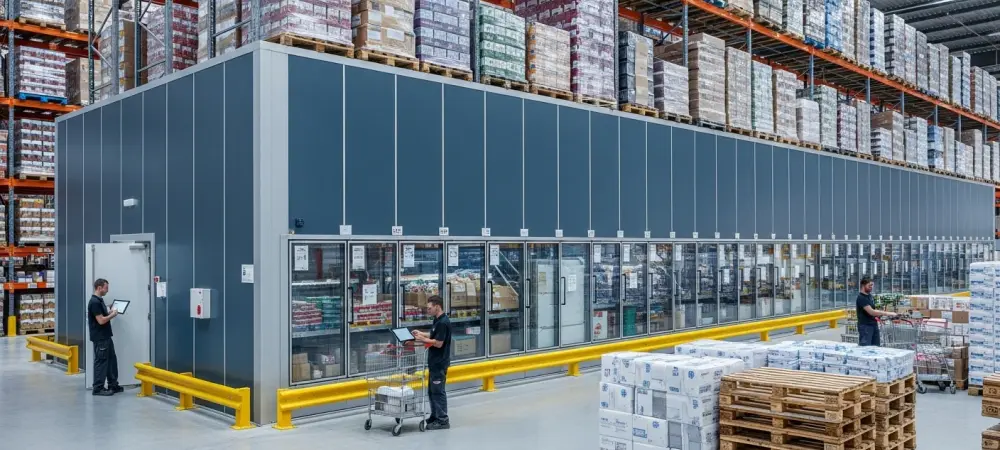
Furthermore, specialized sectors like the cold-chain industry are facing a critical shortage of modern facilities. Current capacity is estimated at 900,000 pallet positions, but the actual market demand has already surged past 1.6 million positions. This massive undersupply means that nearly 40 percent of the demand for temperature-controlled storage goes unmet, leading to significant waste and increased costs for the food and pharmaceutical sectors. Without a rapid expansion of these high-tech facilities, the physical infrastructure will continue to act as a bottleneck for the nation’s digital ambitions.
Fulfillment Models: Analyzing the $1.6 Billion Cold-Chain Opportunity
The competitive arena in Vietnam is currently split between deeply rooted local veterans and technologically advanced international players. Local companies, including Viettel Post, VNPost, GHTK, and GHN, maintain a commanding 65 percent market share due to their extensive networks and intimate knowledge of local geography. In contrast, international firms such as DHL, FedEx, and Ninja Van account for the remaining 35 percent, often differentiating themselves through global connectivity and superior tracking technology.
Businesses operating in this environment typically navigate three distinct fulfillment models to manage their inventory. Some choose self-operated logistics for maximum quality control, while others rely on third-party logistics providers to scale quickly without heavy capital investment. A growing number of organizations are adopting hybrid systems, utilizing their own fleets for high-density urban areas while outsourcing the difficult “last-mile” stretches in rural regions to local experts. This flexibility is crucial for survival in a market where consumer loyalty is often tied directly to delivery reliability. A particularly lucrative segment is the cold-chain market, which is projected to reach a valuation of $1.64 billion by 2030. This growth is being propelled by a 40 percent year-on-year surge in online fresh food sales, as urban professionals increasingly turn to apps for their grocery needs. However, the cost of delivering temperature-sensitive goods is roughly double that of general merchandise, primarily due to the specialized equipment and constant energy requirements. Companies that can solve the cold-chain puzzle stand to capture a massive and relatively under-served portion of the consumer market.
Regulatory Hurdles: Navigating the Government’s Roadmap to 2030
International investors looking to capitalize on Vietnam’s growth must first navigate a complex web of regulatory requirements. Foreign ownership in logistics enterprises is generally capped at 49 percent, a policy that frequently necessitates the formation of joint ventures with local partners. While these partnerships provide valuable regional insights, they also require careful management to ensure that operational standards and long-term strategic goals remain aligned across different corporate cultures.
The government is not blind to these challenges and recently introduced the “Logistics Strategy 2026-2030” to modernize the sector. This ambitious roadmap aims to lower logistics costs to 15 percent of GDP and push Vietnam into the top 40 of the global Logistics Performance Index. To incentivize private investment, the state is offering significant tax breaks, including four-year corporate income tax exemptions and subsequent nine-year reductions for strategic projects. These measures are designed to attract the capital and expertise needed to bridge the infrastructure gap.
Compliance also extends to evolving environmental and data protection standards that are becoming increasingly stringent. New regulations regarding delivery vehicle emissions and sustainable packaging are forcing companies to rethink their fleet compositions and supply chain waste management. Additionally, the tightening of personal data laws means that logistics providers must invest heavily in cybersecurity to protect consumer information during the fulfillment process. Navigating this regulatory landscape requires a proactive approach that balances legal compliance with operational efficiency.
Strategic Resilience: Building a Modern Logistics Network
The transition toward a decentralized fulfillment strategy proved to be the most effective method for navigating the complexities of the Vietnamese market. Successful organizations established regional micro-hubs within high-density urban centers to satisfy the 30-minute delivery standard that quickly became the benchmark for consumer satisfaction. By moving inventory closer to the end-user, these businesses significantly reduced the transit time and cost associated with the final leg of the journey. This shift also allowed for more agile responses to sudden fluctuations in demand, which were common during peak shopping holidays. Furthermore, the integration of advanced technologies like AI-driven route optimization and real-time data analytics became a non-negotiable requirement for operational success. The adoption of automated warehouse systems also helped to address the labor shortage in the logistics sector, ensuring that throughput remained consistent even during periods of high turnover. These technological investments provided a clear competitive advantage for those willing to commit the necessary resources.
Ultimately, the most resilient players in the industry focused on expanding their reach into rural provinces where competition was less intense but potential was high. They built partnerships with local entrepreneurs to create “last-mile” networks that could navigate the narrow streets and difficult terrain of the Vietnamese countryside. By combining global best practices with local expertise, these businesses secured their positions in a rapidly evolving economy. The proactive steps taken during this period established a new standard for excellence, proving that high costs could be overcome through innovation and strategic foresight.