

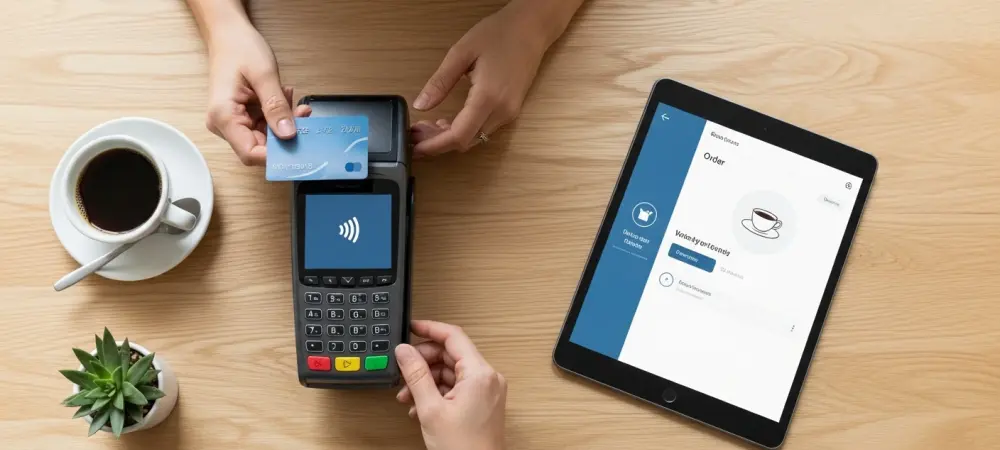
The bridge between a consumer’s digital basket and their physical checkout experience has finally moved beyond mere connectivity toward a total fusion of commerce environments. This unified approach represents a shift where omnichannel is no longer a buzzword but a technical requirement. By merging digital and physical retail into a single ecosystem, businesses are eliminating traditional friction points that once frustrated both merchants and customers.
Historically, retail operations suffered from fragmented, siloed payment systems where online transactions lived in a different universe than in-store purchases. The evolution toward integrated models reflects a necessary response to modern consumer demand for a seamless shopping journey. Today, the ability to track a customer journey across platforms is a competitive necessity.
Defining Unified Commerce in the Modern Retail Landscape
Modern commerce relies on a centralized data architecture that treats every interaction as part of a continuous loop. Unlike multi-channel models that simply offer various ways to pay, unified commerce ensures that inventory and transaction records remain synchronized in real-time. This structural integrity allows for advanced services like flexible fulfillment to function without administrative lag.
The technology has matured from simple hardware-software connections into a layer of deep interoperability. As businesses move toward cloud-native environments, the focus has shifted to a cohesive ecosystem. This alignment addresses the expectation for personalized experiences where the payment method is secondary to the convenience of the transaction itself.
Technical Architecture of Integrated Payment Solutions
AXIUM Android-Based Smart Terminals
Ingenico’s AXIUM hardware represents a departure from restrictive, proprietary operating systems. By leveraging the Android framework, these smart terminals offer a flexible interface that feels as intuitive as a smartphone. This open-platform approach enables merchants to run business applications alongside payment processing, effectively turning the point of sale into a multifaceted service hub.
The Visa Acceptance Platform and Gateway Services
On the backend, Visa’s global acceptance platform provides the infrastructure for secure transaction processing. This cloud-based gateway integrates with physical hardware to handle complex risk management at scale. By centralizing these functions, the platform ensures that security measures are consistently applied across every touchpoint.
The Shift Toward Holistic Commerce Orchestration
The industry is currently transitioning from simple payment processing toward comprehensive commerce orchestration. This involves managing the entire flow of commerce, from inventory to post-purchase engagement. By utilizing pre-certified platforms, software vendors and acquirers can bypass traditional bottlenecks associated with regulatory compliance and technical certification. Removing these hurdles significantly reduces time-to-market for new retail solutions. Merchants no longer need to navigate a maze of technical requirements; instead, they can adopt a synchronized ecosystem. This scalability allows businesses to manage e-commerce and physical sales through a single interface, fostering operational efficiency and growth.
Real-World Applications Across Diverse Sectors
In enterprise retail, unified commerce facilitates massive transaction volumes across thousands of locations. Meanwhile, for small businesses, the technology provides access to enterprise-level tools that were previously cost-prohibitive. The restaurant industry specifically benefits by merging front-of-house orders with kitchen management and payment processing into one fluid system. Successful implementations have demonstrated that lowering development costs through pre-integrated solutions leads to higher customer loyalty. When the payment experience is frictionless, consumers are more likely to return. These cases highlight how the convergence of hardware and software streamlines operations in high-volume environments.
Overcoming Structural and Regulatory Challenges
Despite the benefits, integrating legacy systems with modern cloud infrastructure remains a hurdle. Many merchants still rely on older hardware that lacks the processing power required for advanced solutions. Furthermore, maintaining compliance with global standards requires constant oversight and a commitment to regular system updates.
Market obstacles, such as initial investment costs and the need for industry-wide cooperation, often slow adoption. However, leaders are working to mitigate these limitations by establishing standardized frameworks. These efforts toward simplified certification are essential for ensuring that different systems can interact without expensive custom coding.
The Future of Frictionless Global Commerce
Looking ahead, the convergence between digital wallets, biometric authentication, and physical point-of-sale systems will deepen. This trajectory suggests a world where the act of paying becomes almost invisible, embedded into the natural flow of interaction. Future breakthroughs will empower developers to innovate on the consumer experience rather than the complexities of payment plumbing.
This evolution will play a crucial role in democratizing technology for smaller merchants who need to compete globally. By reducing technical barriers to entry, unified platforms ensure that secure and compliant trade is accessible to everyone. The long-term impact will be a more resilient commerce network that values speed and security above all else.
Final Assessment of the Unified Payment Ecosystem
The collaboration between Ingenico and Visa demonstrated a strategic pivot toward a less fragmented retail environment. This review identified that the shift from isolated payment processing to holistic orchestration provided a necessary framework for modern commerce. The adoption of Android-based hardware alongside cloud-native gateways established a high standard for flexibility and security that influenced the entire industry. Ultimately, these advancements paved the way for a more customer-centric approach to global trade. The reduction of technical bottlenecks allowed for faster innovation and lowered the barriers for diverse business sectors to implement sophisticated payment solutions. The unified commerce model successfully transformed the transaction from a mere exchange of value into a seamless component of the retail experience.