

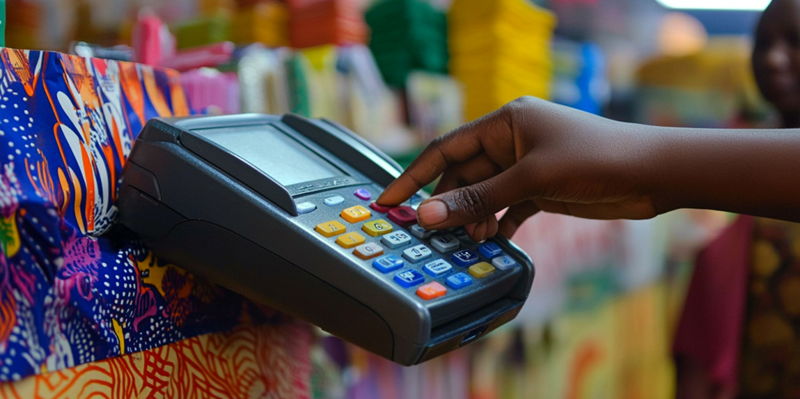
Uganda, like many other African nations, is grappling with the complex task of embracing digital payments as a means to foster financial inclusion and economic growth. Yet, the journey has been fraught with difficulties, primarily due to poor Internet access, inadequate mobile network coverage, and subpar customer service. Research indicates that approximately 61% of Ugandans are utilizing digital payment solutions, but the majority of these transactions are performed via feature phones using USSD codes. These codes enable basic functionalities, limiting their use to airtime purchases and saving money, rather than facilitating a more extensive range of financial activities such as paying for goods and services or transferring money.
Infrastructure and Connectivity Issues
The fundamental barriers to digital payment adoption in Uganda lie mainly in the country’s infrastructure. While neighboring countries like Kenya have excelled with more reliable mobile-based solutions, Uganda’s mobile network coverage is a mere 31%. Internet penetration and smartphone usage are similarly low, hovering around 30%. These statistics pale in comparison to regions like Kenya, where higher Internet penetration has spurred a robust digital payment ecosystem. The disparity in technology infrastructure becomes even more glaring when considering that reliable Internet and mobile network coverage are critical for leveraging advanced digital payment systems that facilitate financial inclusion.
Most digital payment methods in Uganda are mobile money services operated by local telecoms, which do not offer the integrated, instant payment solutions linking traditional bank accounts found in more advanced systems. Instead, Ugandan consumers find themselves constrained by infrastructure that limits the scope of mobile payments, relegating them to simpler transactions. In contrast, Kenyan, Rwandan, and Tanzanian users benefit from sophisticated digital payment systems that seamlessly integrate mobile money and traditional banking services, enhancing financial utility.
Limitations and Potential Solutions
Despite these constraints, Uganda has shown a significant uptake in mobile money usage, albeit for elementary transactions such as purchasing airtime or saving money. The country’s reliance on USSD codes underscores the limited functionality that restricts users from engaging in more versatile transaction types. This limitation signifies a missed opportunity to drive broader economic participation and financial inclusion.
Understanding and addressing these barriers is crucial for Uganda’s digital economy’s growth. While various studies have illustrated the benefits other African nations reap from better infrastructure and mobile solutions, Uganda must focus on ramping up its technological framework. Enhancing mobile network coverage and increasing Internet penetration are vital steps. Furthermore, integrating instant payment solutions with traditional bank accounts could potentially unlock greater financial activities, such as paying for goods and services, thus fostering a more inclusive financial system.
Addressing Adoption Barriers
A study conducted by AfricaNenda, the Economic Commission for Africa, and the World Bank underscores these challenges. It highlights the rise in digital payments in other African nations and the subsequent boost in financial inclusion and trade. Despite the increase in the number of Instant Payment Systems (IPS) across Africa, the cost remains a significant barrier to adoption in Uganda, compounded by concerns over data privacy, lack of trust in digital systems, and insufficient user knowledge.
To move forward, efforts must be amplified in educating and increasing awareness of the benefits and security of digital payments. Enhanced customer service could also mitigate trust issues and foster confidence among users. By focusing on building a more reliable infrastructure, improving Internet access, and helping Ugandans transition from feature phones to smartphones, the country could align closer with its neighbors in adopting a more comprehensive and effective digital payment system.
Looking Towards the Future
Uganda, like numerous other African countries, is tackling the challenging task of adopting digital payments to enhance financial inclusion and drive economic growth. However, the journey is riddled with obstacles, mainly due to inadequate Internet access, insufficient mobile network coverage, and poor customer service. Studies reveal that about 61% of Ugandans are using digital payment solutions, yet most of these transactions rely on feature phones through USSD codes. These codes offer only basic functions, such as purchasing airtime and saving money. This limitation confines their use and prevents a broader engagement in financial activities like paying for goods and services, or transferring money.
Moreover, the digital payment systems in Uganda are hampered by a broader lack of digital literacy and a general mistrust in online financial services. To genuinely foster growth and inclusion, there is a pressing need for a robust infrastructure that supports reliable Internet and mobile connectivity. Only with these improvements can Uganda build a comprehensive digital economy where diverse financial transactions are feasible and secure for its population.