

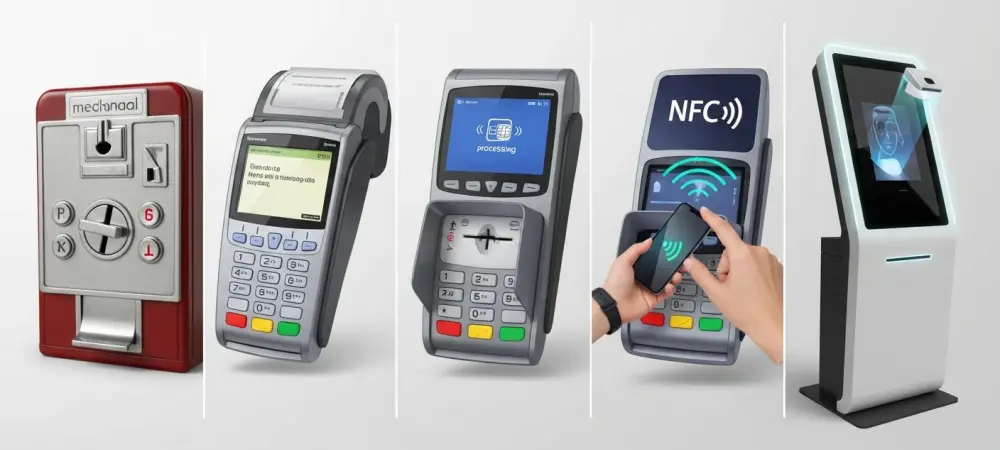
The familiar sound of a coin rattling through a vending machine has been replaced by the nearly silent digital handshake of a contactless card reader as the world moves toward a truly unattended economy. This shift represents much more than a convenience; it is a fundamental reconfiguration of how commerce operates, moving beyond the simple purchase of a chocolate bar to the high-stakes transaction of charging an electric vehicle. In this landscape, the human cashier is increasingly absent, replaced by sophisticated terminals that offer 24/7 availability and a frictionless user journey. Consumers now demand “tap and go” experiences that respect their time and eliminate the need for manual interaction or specialized mobile applications. This evolution is driven by significant market growth and a transition from low-friction environments to high-value retail sectors, requiring a new approach to fintech leadership and terminal intelligence. As infrastructure pivots to meet these demands, the integration of secure, automated systems is becoming the baseline for global commercial relevance in a fast-paced retail environment.
The Rapid Expansion of the Self-Service Economy
Market Metrics and the Surge in Global Cashless Adoption
The scale of the current transition is evidenced by the massive deployment of connected devices worldwide, with industry leaders managing over 1.5 million units across various commercial sectors. This surge in cashless adoption is not merely a localized trend in urban centers but a global movement away from physical currency toward digital immediacy. A primary driver of this growth is the burgeoning electric vehicle market, which requires a massive overhaul of public infrastructure to support a cleaner transport future. In the United Kingdom, for instance, the number of public charge points must expand from approximately 73,000 to 300,000 by 2030 to keep pace with the rising number of electric cars on the road. This represents a monumental logistical challenge that relies entirely on the efficiency of unattended payment systems to facilitate daily energy consumption.
Furthermore, the European Union has seen electric vehicles reach a significant share of new car registrations, signaling a permanent change in consumer habits that mandates a reliable, high-value unattended payment network. As more drivers transition away from internal combustion engines, the expectation for seamless, automated payment at charging stations becomes a non-negotiable aspect of vehicle ownership. This shift is forcing manufacturers and payment providers to collaborate more closely than ever before, ensuring that the hardware in the field can handle the load of millions of daily transactions. The move away from cash is nearly absolute in these sectors, where the speed of digital processing allows for the rapid turnover required to maintain high-traffic charging hubs and automated parking facilities.
Real-World Applications: From Vending to High-Stakes Retail
Traditionally, self-service was limited to micro-transactions in low-friction environments like laundromats or coffee stations where the cost was negligible and the risk was low. Today, the sector is expanding into high-friction areas such as automated parking and sophisticated retail kiosks where transaction values often exceed tens of dollars. This move toward high-value payments necessitates more robust hardware, including terminals that are fully capable of secure PIN entry to comply with modern security standards and provide consumer peace of mind. When a transaction moves from a two-dollar snack to a fifty-dollar tank of electricity, the level of trust required from the consumer increases exponentially, making the reliability of the terminal a cornerstone of the business model.
Moreover, the industry has shifted toward “app-free” experiences, allowing drivers or shoppers to complete a transaction using only their credit card or digital wallet. By removing the requirement for proprietary mobile applications, businesses eliminate the frustration associated with account creation, data entry, and the clutter of multiple software platforms. This streamlining of the user journey at the point of sale ensures that the payment process does not become a bottleneck for the service being provided. Whether it is a car wash, a high-end vending machine offering electronics, or a micro-market in a corporate office, the goal is to provide a level of convenience that matches the speed of modern life. These real-world applications demonstrate that the “tap and go” philosophy is no longer just for the morning commute but is now the standard for all forms of high-stakes retail interaction.
Strategic Insights from Fintech Thought Leadership
Viewing payments as a critical layer of infrastructure rather than a secondary product feature has become a hallmark of successful fintech leadership in the current market. Industry veterans emphasize that scaling a global payment network requires intense operational discipline and a deep understanding of the systemic challenges inherent in financial technology. It is no longer sufficient to simply process a transaction; leaders must now ensure that the underlying systems are resilient enough to support 26/7 uptime across thousands of miles. This perspective shift treats the payment terminal as the primary point of contact between a brand and its customers, making the stability of that connection a vital component of brand equity. Operational excellence is now measured by the ability to manage distributed estates with the same precision as a centralized retail storefront. One such challenge that continues to face the industry is the persistent gender gap in leadership roles, where women currently hold only about 19% of top executive positions in the financial sector. Addressing this disparity requires a commitment to the “generosity of knowledge,” where established leaders prioritize mentorship and the dismantling of traditional gatekeeping practices. By fostering an environment that encourages professional discomfort—where leaders take on roles that challenge their perceived limitations—the industry can cultivate a more diverse and resilient talent pool. This inclusive approach is not just a social imperative but a strategic one, as diverse leadership teams are better equipped to navigate the complexities of a global commerce landscape that serves an equally diverse consumer base.
The Future Landscape: Intelligence and Engagement at the Terminal
The payment terminal is no longer just a static device for authorizing funds; it is evolving into a dynamic hub for real-time customer engagement and business intelligence. Modern terminals now serve as interactive platforms that can deliver targeted loyalty programs and personalized messaging directly to the consumer during the transaction process. This transformation allows a simple vending machine or charging post to act as a digital storefront, gathering data that helps operators understand consumer behavior and inventory needs in real time. For the business operator, these devices provide invaluable visibility, allowing for the remote management of vast, distributed estates with minimal manual labor. This reduction in overhead is what makes the unattended model so attractive for businesses looking to scale rapidly without a corresponding increase in personnel costs.
However, this evolution brings its own set of challenges, particularly the high stakes associated with technical failures in sectors like electric vehicle charging. If a terminal fails in a remote location, the impact on the consumer can be severe, leading to a loss of trust in the entire automated ecosystem. The industry must therefore continue to strive for universal payment standards and the concept of “invisible technology,” where the transaction process becomes so seamless that it essentially disappears from the consumer’s conscious experience. When the technology works perfectly, it becomes a silent partner in the transaction, allowing the user to focus entirely on the service they are receiving. The goal is to reach a state of total interoperability where any device can accept any form of digital payment, regardless of the region or the specific hardware provider involved.
Conclusion: Navigating the Next Era of Global Commerce
The shift in consumer expectations toward permanent availability across all retail sectors necessitated a significant technological leap that the industry successfully navigated. Businesses recognized that the success of the unattended revolution depended on a careful balance between high-security protocols and a truly frictionless user interface. As commerce moved away from manual intervention, the adoption of intelligent terminals allowed for a level of operational efficiency that was previously unattainable. Companies that prioritized the adaptation of their infrastructure stayed relevant in an increasingly automated and inclusive financial ecosystem. By embracing these innovations, the market moved into an era where the payment process became a robust engine for both business growth and customer satisfaction.
Looking forward, the focus remained on the continuous refinement of these automated systems to ensure they met the needs of a diverse global population. The transition to high-value, unattended transactions required a commitment to hardware durability and software sophistication that redefined the standards of the retail industry. Leaders in the space utilized real-time data to drive decision-making, ensuring that the infrastructure was not only functional but also proactive in meeting customer demands. This evolution confirmed that the future of global commerce rested on the ability to provide secure, 24/7 service without the traditional barriers of human-led transactions. Ultimately, the integration of these technologies fostered a more connected and efficient world where the act of payment was as natural as the use of the product itself.