

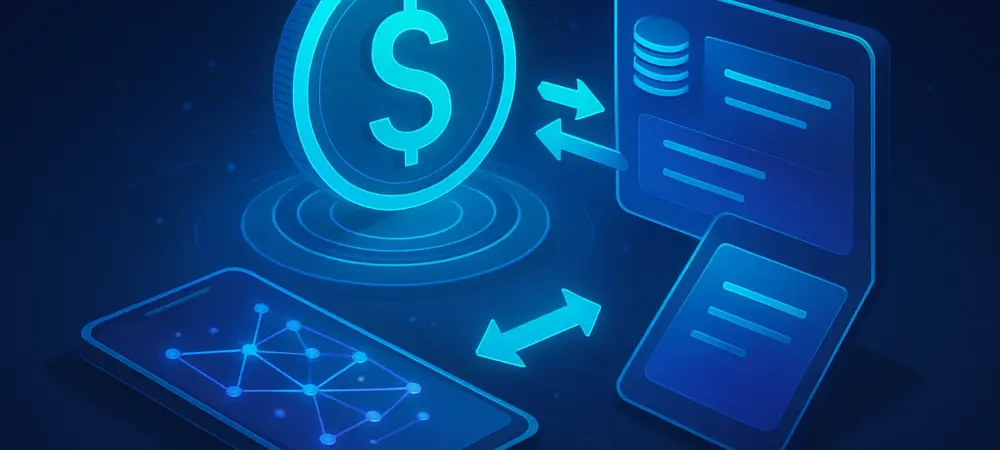
Imagine a world where AI agents book your flights, order groceries, and manage your schedule without a single human touchpoint, all while seamlessly handling payments in fractions of a second across global borders. This is no longer a distant vision but an emerging reality of the agentic web, where autonomous systems drive online interactions. As these AI-driven transactions multiply, the demand for innovative financial systems has surged, spotlighting stablecoins as a critical solution. Stablecoin technology, exemplified by initiatives like Cloudflare’s NET Dollar, promises to anchor this new Internet economy with speed and reliability. This analysis dives into the growing role of stablecoins in supporting autonomous agents, explores Cloudflare’s groundbreaking approach, and examines the broader implications for digital economics.
The Surge of Stablecoins in the Agentic Web
Escalating Need for AI-Powered Transactions
The digital landscape is witnessing an unprecedented rise in AI-driven interactions, with autonomous agents increasingly managing tasks like scheduling, purchasing, and customer service. Industry reports indicate that AI systems now handle a significant portion of online engagements, with projections suggesting that microtransactions—small, frequent payments—will dominate digital economies by 2027. This shift is fueled by the need for instant, fractional payments that traditional banking systems struggle to accommodate at scale. The sheer volume of these transactions underscores a pressing requirement for financial tools tailored to the speed and granularity of AI operations.
This trend is not merely theoretical but grounded in real user behavior. Businesses and individuals alike are adopting AI tools to automate routine processes, resulting in a spike in machine-to-machine interactions that bypass human oversight. Without a robust payment infrastructure, these interactions risk inefficiencies or delays, hampering the potential of the agentic web. Stablecoins, with their ability to maintain value stability and facilitate rapid transfers, are emerging as the backbone of this evolving ecosystem, ensuring that AI agents can operate without friction.
Practical Uses of Stablecoin Solutions
Cloudflare’s NET Dollar stands out as a pioneering example of stablecoin innovation designed specifically for the agentic web. This U.S. dollar-backed digital currency enables AI agents to purchase services instantly, whether it’s securing cloud storage or accessing premium content on demand. Such capabilities are vital for maintaining the fluidity of autonomous operations, where delays in payment processing could disrupt entire workflows. NET Dollar’s design prioritizes immediacy and security, addressing a core need in AI-driven environments.
Beyond individual agents, businesses are leveraging this technology to automate payment processes, such as settling invoices the moment a service is delivered. This eliminates manual intervention and reduces operational overhead, creating a more efficient digital marketplace. Additionally, content creators benefit by monetizing their work through microtransactions, receiving fair compensation for each view or interaction without relying on outdated ad models. These applications highlight how stablecoins can transform financial interactions across diverse sectors.
Stablecoin technology also fosters inclusivity by enabling seamless cross-border transactions. For instance, a developer in one country can instantly receive payment for an API used by an AI agent in another, bypassing traditional currency conversion delays. This global accessibility positions stablecoins as a unifying force in the agentic web, ensuring that geographical barriers do not hinder economic participation. As adoption grows, these use cases are likely to expand, further embedding stablecoins into the fabric of online commerce.
Cloudflare’s Blueprint for Internet-Native Payments
Cloudflare envisions a fundamental shift in how the Internet economy operates, moving away from ad-dependent revenue streams to a pay-per-use model. Matthew Prince, Co-Founder and CEO of Cloudflare, has articulated that this transition is essential to reward creators and developers for delivering genuine value. By introducing NET Dollar, Cloudflare aims to provide a payment system that matches the instantaneous nature of online interactions, ensuring that every transaction, no matter how small, is processed without delay. This vision aligns with the unique demands of AI agents that require constant, reliable financial exchanges.
Expert opinions reinforce the importance of critical elements like speed, trust, and interoperability in payment systems for the agentic web. Industry leaders note that AI-driven transactions depend on mechanisms that can operate across varied platforms and geographies without sacrificing security. NET Dollar addresses these needs by integrating with Cloudflare’s extensive network infrastructure, offering a level of trust and efficiency that traditional systems often lack. This focus on seamless integration is seen as a cornerstone for scaling autonomous digital interactions in a fragmented online environment.
However, challenges remain on the path to widespread adoption. Regulatory uncertainties surrounding stablecoins could slow implementation, as governments grapple with how to classify and oversee these digital assets. Additionally, barriers such as user education and technological compatibility may hinder integration into existing systems. Industry voices caution that without clear guidelines and robust collaboration, even innovative solutions like NET Dollar risk facing resistance, emphasizing the need for proactive dialogue between tech firms and policymakers to navigate these hurdles.
Long-Term Impact of Stablecoin Advancements
The introduction of initiatives like NET Dollar has the potential to redefine Internet economics by enabling granular monetization strategies. This approach allows for equitable compensation, where creators and developers are paid directly for each interaction or service, rather than relying on indirect revenue models. Such a system could democratize income opportunities, empowering smaller players to thrive in a landscape often dominated by large corporations. The ripple effect might reshape how value is perceived and distributed online, fostering a more inclusive digital economy.
Looking ahead, broader adoption of open standards could amplify these benefits. Cloudflare’s collaboration with Coinbase on protocols like the 402 “payment required” response standard signals a push toward standardized payment processes that both humans and AI agents can utilize effortlessly. If successful, this could pave the way for a unified framework where diverse systems interoperate without friction, accelerating the integration of stablecoins into everyday transactions. The emphasis on open collaboration reflects an industry-wide recognition that scalability depends on shared solutions.
Yet, alongside these opportunities lie significant challenges. Scalability remains a concern as transaction volumes grow, potentially straining even well-designed systems. Security risks also loom large, with stablecoins becoming prime targets for cyber threats if not fortified adequately. Balancing innovation with robust safeguards will be crucial to maintaining trust in these financial tools. As the agentic web evolves, addressing these issues will determine whether stablecoins can fulfill their promise of transforming online economics without compromising stability or safety.
Shaping the Legacy of Online Transactions
Reflecting on the journey, Cloudflare’s launch of NET Dollar marked a turning point in aligning payment systems with the demands of the agentic web, facilitating instant and secure transactions for AI agents, creators, and businesses. This initiative underscored a pivotal shift toward microtransaction-based models, challenging the dominance of ad-driven revenue. The focus on speed, trust, and global accessibility set a precedent for how financial tools could empower autonomous systems while fostering fairness in digital interactions.
Looking forward, the next steps involve deeper collaboration across industries to refine stablecoin technologies and address regulatory and technical barriers. Innovators need to prioritize scalable infrastructure and enhanced security measures to safeguard against emerging risks. By building on open standards and inclusive frameworks, the tech community can ensure that stablecoins like NET Dollar not only adapt to current needs but also anticipate future demands, cementing their role in a more equitable and efficient Internet economy.