

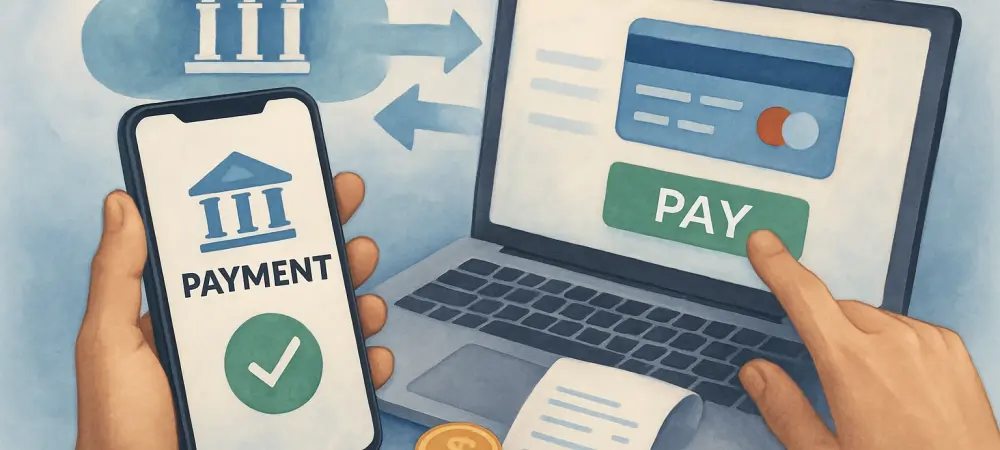
From the familiar tap of a credit card to the seamless click of a direct bank transfer, a quiet but powerful revolution is reshaping the very fabric of how we exchange value in the digital marketplace. This evolution marks the rise of Open Banking payments, a transformative trend poised to redefine the architecture of the digital economy. This analysis dissects the crucial growth drivers behind this movement, examines a landmark partnership accelerating the shift, and forecasts the future of truly frictionless commerce.
The Rise of Pay by Bank Data and Application
Charting the Growth of Account to Account Payments
The adoption of Pay by Bank services is accelerating, with both consumers and merchants embracing the efficiency of direct account-to-account (A2A) transactions. This trend is particularly pronounced among younger, digitally native demographics who prioritize speed and security in their financial interactions. Across the UK and in global markets, these users are increasingly opting for payment methods that bypass traditional intermediaries, signaling a foundational shift in consumer behavior and expectations.
Market data underscores this momentum, with financial analyses consistently showing significant year-over-year growth in A2A transaction volume and value. This trajectory is not merely a statistical anomaly but a clear indicator of a strategic move away from legacy payment rails. As businesses seek to reduce processing fees and consumers demand more direct control over their funds, the appeal of instant, secure bank transfers continues to grow, carving out a significant share of the payments landscape.
The ClearBank and Plaid Partnership in Action
The collaboration between ClearBank and Plaid serves as a compelling real-world model for advancing open banking payments. By combining ClearBank’s robust, cloud-native clearing infrastructure with Plaid’s extensive financial data network, the partnership creates a powerful, end-to-end solution. This synthesis of regulated payment processing and secure data connectivity provides the foundational architecture needed to make Pay by Bank a viable and attractive option at scale.
For businesses, the integration delivers a tangible impact by simplifying complex payment flows. The use of ClearBank’s virtual accounts enables automated reconciliation, allowing merchants to instantly match incoming payments to specific customer orders or invoices. This removes a significant layer of manual effort, reduces the risk of error, and provides businesses with unparalleled visibility into their cash flow, ultimately streamlining their financial operations. This partnership also refines the consumer experience, creating a payment journey that is demonstrably faster, more secure, and less fragmented. Whether funding a digital wallet or completing an e-commerce checkout, the user is guided through a seamless process without the friction points common in traditional payment methods. The result is a more intuitive and trustworthy transaction that reinforces consumer confidence in open banking.
Expert Perspectives on the Open Banking Tipping Point
A growing consensus among industry leaders suggests that modern, real-time infrastructure is the critical component needed for Pay by Bank to achieve mainstream adoption. While the concept of direct bank payments is not new, its potential was previously limited by legacy systems. The development of sophisticated, API-driven platforms is finally unlocking the speed, reliability, and security required to compete with and surpass established payment networks. Moreover, fintech experts emphasize that strategic collaboration is essential to building a comprehensive open banking ecosystem. No single company can provide every necessary component, from direct clearing access to user-facing data connectivity. Alliances like the one between ClearBank and Plaid are vital, as they combine specialized capabilities to create a complete and resilient value chain that benefits merchants, consumers, and the broader financial industry.
The Future Trajectory of Open Banking Payments
The next phase of open banking is set to expand beyond simple one-off payments. Innovations such as variable recurring payments (VRPs) will revolutionize subscriptions and bill payments by offering greater control and flexibility. Simultaneously, the framework is being developed to support more efficient cross-border transactions, breaking down international commerce barriers and further integrating open banking into diverse sectors. This evolution presents immense long-term benefits, including substantially lower transaction costs for merchants and reduced fraud rates due to stronger authentication protocols. However, significant challenges remain. Achieving universal bank connectivity, standardizing the user experience across different institutions, and continuing to build widespread consumer trust are crucial hurdles that the industry must overcome to realize the full potential of this technology.
The continued growth of open banking payments is poised to fundamentally alter the competitive dynamics of the financial services industry. Legacy players, particularly established card networks, will face increasing pressure to adapt their models as merchants and consumers gravitate toward more direct and cost-effective payment rails. This shift will foster greater competition, drive innovation, and ultimately reshape how value is exchanged in the digital age.
Conclusion The Inevitable Shift to Direct Payments
The analysis has confirmed that Pay by Bank represents more than a fleeting trend; it is a fundamental and rapidly growing movement within the payments industry. Its viability has been significantly accelerated by strategic infrastructure partnerships that solve critical challenges related to reconciliation and user experience. The market demonstrated a clear and decisive shift toward more direct, efficient, and secure payment models.
Ultimately, it became clear that open banking is not just another alternative but is positioned to become the future foundation of digital payments. For businesses, the key takeaway was the urgent need to understand and integrate these new payment flows. Adapting to this evolving ecosystem was no longer a choice for future consideration but an immediate strategic imperative for remaining competitive in an increasingly direct digital economy.