

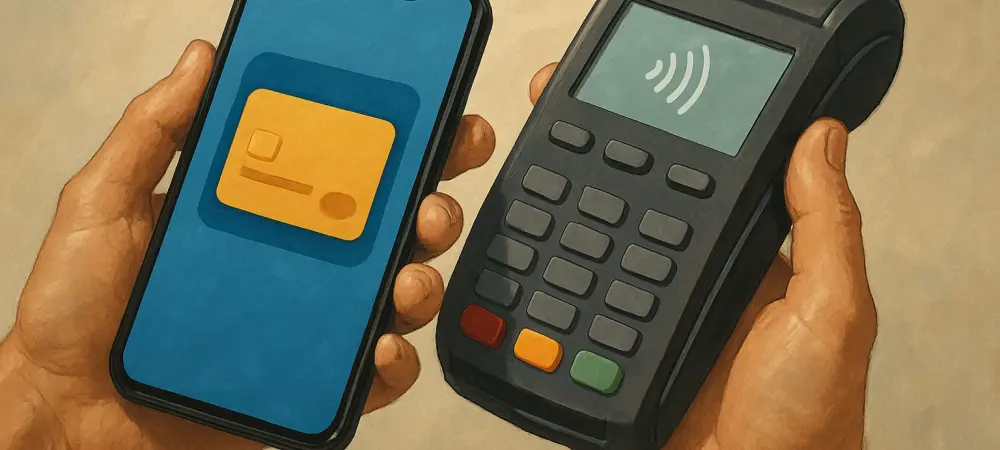
Imagine a world where a single tap on your smartphone replaces the need for cash, cards, or even a physical wallet, seamlessly connecting your bank account to any merchant, anywhere, and transforming the way you handle transactions daily. This isn’t a distant dream but a reality unfolding rapidly in the payments landscape as digital wallets redefine how transactions occur. With global digital payment transactions surpassing billions annually, these tools have become indispensable in both online and in-store environments. Their rise signals a shift toward faster, more convenient financial interactions, challenging traditional payment methods. This analysis explores the evolution of digital wallets, their pivotal role in account-to-account (A2A) payments, the technological innovations driving their adoption, and the future implications for consumers and businesses alike.
The Rise of Digital Wallets in A2A Payments
Growth Trends and Adoption Metrics
Digital wallets have surged in popularity, particularly in e-commerce, where they account for nearly 50% of all transactions worldwide. This dominance reflects consumer preference for quick, secure payment options when shopping online. However, their presence at physical point-of-sale (POS) locations lags, with only about 30% of transactions utilizing these tools, indicating a significant opportunity for growth in brick-and-mortar settings.
Supporting this trend is the expansion of A2A payments, which enable direct transfers between bank accounts, often bypassing traditional card networks. Industry reports highlight the role of real-time payment systems in driving this shift, with platforms like Brazil’s Pix and India’s UPI seeing exponential adoption. These systems have processed billions of transactions since their inception, showcasing how instant payment rails are becoming integral to digital wallet ecosystems.
The momentum behind A2A payments continues to build, fueled by consumer demand for speed and efficiency. As more countries adopt real-time payment infrastructures, digital wallets are positioned to capitalize on this wave, potentially narrowing the gap between online and in-store usage. This trend underscores the transformative potential of these tools in reshaping financial interactions.
Real-World Applications and Success Stories
In Brazil, Pix has revolutionized the payments landscape by enabling instant A2A transactions, not just for peer-to-peer transfers but also at checkout counters. Merchants and consumers alike have embraced this system for its simplicity, with millions of transactions processed daily, often via digital wallets integrated with the platform. This success story highlights the power of localized solutions in driving adoption.
Similarly, in Spain, Bizum has emerged as a leading digital wallet for A2A payments, facilitating seamless transfers and payments at POS terminals. Its integration with near-field communication (NFC) technology allows users to make contactless payments, rivaling traditional card-based methods. Such examples demonstrate how digital wallets can bridge the gap between digital and physical commerce.
The use of NFC in these systems enhances their appeal by offering a tap-to-pay experience that matches consumer expectations for convenience. As these technologies gain traction, they pave the way for digital wallets to compete directly with established payment methods, signaling a shift in how transactions are conducted globally.
Technological Enablers and Challenges
The Role of NFC in Bridging Payment Experiences
NFC technology stands as a cornerstone for the evolution of digital wallets, enabling tap-to-pay functionality that transforms in-store transactions. By allowing users to complete payments with a simple tap of their device, NFC eliminates the friction associated with older methods like QR codes, aligning with the fast-paced demands of modern consumers.
Beyond convenience, NFC provides a competitive edge by reducing dependence on external payment networks. Digital wallet providers can develop tailored solutions that lower transaction costs for merchants while maintaining robust security standards. This autonomy empowers providers to innovate and adapt to local market needs more effectively.
The widespread adoption of NFC-compatible devices further accelerates this trend, as smartphones and wearables become standard tools for contactless payments. As infrastructure for NFC grows, digital wallets are increasingly seen as viable alternatives to cards, promising a unified payment experience across online and offline channels.
Navigating Fragmentation and Interoperability Issues
Despite their potential, digital wallets face significant challenges due to the fragmented nature of global payment systems. Diverse payment rails, including real-time payments, stablecoins, and emerging central bank digital currencies (CBDCs), create a complex ecosystem that varies widely by region. This diversity often hinders seamless integration for wallet providers. Interoperability remains a critical obstacle, particularly in areas like Europe, where numerous domestic wallets operate independently. For instance, systems in different countries often lack compatibility for cross-border transactions, limiting the scalability of digital wallets. Addressing this requires standardized protocols and collaborative efforts among stakeholders.
The push for cross-platform solutions is gaining momentum, as providers recognize the need to connect disparate systems into a cohesive framework. Overcoming these hurdles could unlock the full potential of digital wallets, enabling them to serve as universal payment tools in a globalized economy.
Expert Insights on Digital Wallet Evolution
Industry leaders emphasize the strategic importance of NFC and interoperability in shaping the trajectory of digital wallets. Eric Lassouaoui from IDEMIA notes that NFC technology is not just an enabler but a necessity for providers aiming to capture the in-store payment market. His perspective underscores the urgency of adopting contactless capabilities to remain competitive.
Experts also highlight the value of leveraging customer relationships to drive engagement. Digital wallets can integrate value-added services, such as loyalty programs and personalized offers, to enhance user retention. This approach strengthens their position in both online and offline environments, creating a more holistic payment experience.
The consensus among thought leaders is that digital wallets must evolve beyond mere transaction tools to become platforms for financial interaction. By focusing on seamless integration and user-centric features, providers can build trust and loyalty, positioning themselves as leaders in the payments space.
Future Outlook for Next-Gen Digital Wallets
Looking ahead, digital wallets are poised for broader adoption of NFC technology, which could significantly boost their presence at physical POS locations. Integrating emerging payment rails like CBDCs into these platforms also holds promise, potentially streamlining transactions across different currencies and systems. Such advancements could redefine the scope of digital payments.
Unifying fragmented payment ecosystems into a single platform presents both opportunities and challenges. While a cohesive system could enhance customer experience and solidify market leadership, regional differences and strategic decisions about routing payments—whether through private networks or existing card infrastructure—complicate the path forward. Balancing these factors will be crucial for success.
The evolving landscape also brings potential drawbacks, including regulatory scrutiny and competition from big tech companies with established payment solutions. However, the benefits of innovation, such as improved convenience and tailored services, position digital wallets to thrive if they can navigate these pressures effectively.
The Path Ahead for Digital Payments
Reflecting on the journey, the transformative impact of next-gen digital wallets on A2A payments became evident through their integration of NFC technology and efforts to address interoperability challenges. These tools emerged as key players in reshaping financial transactions, offering a glimpse into a more connected payment ecosystem. Their ability to adapt to diverse market needs marked a significant milestone in the evolution of commerce. Moving forward, stakeholders need to prioritize innovation by investing in cross-border solutions and standardized protocols to overcome fragmentation. Collaboration among providers, regulators, and technology firms is essential to build a unified framework that supports seamless transactions globally. This cooperative approach promises to unlock new growth avenues.
Additionally, focusing on consumer education and trust-building initiatives proves vital to drive adoption. By highlighting the security and convenience of digital wallets, providers can encourage wider acceptance among hesitant users. These steps lay the groundwork for a future where digital payments become not just an option, but the standard for financial interactions.