

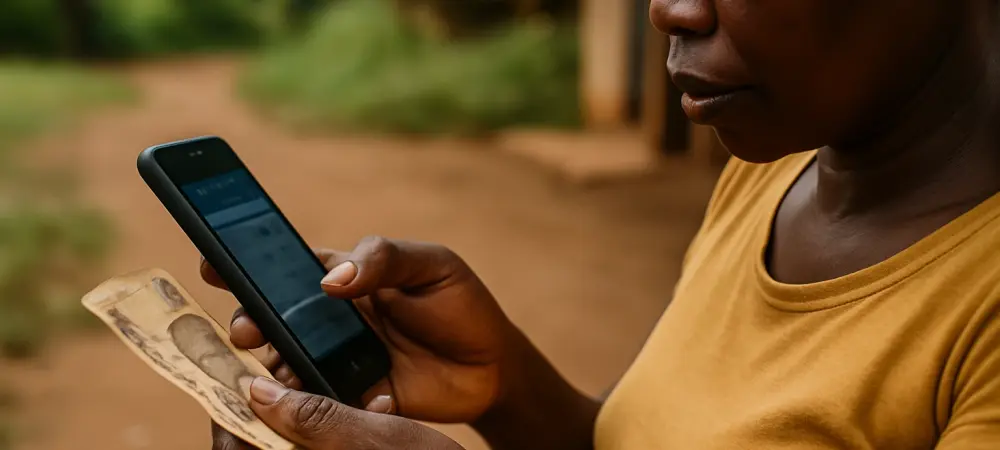
Imagine a small merchant in a bustling market in Accra, Ghana, seamlessly accepting payments from customers using mobile money on a single device, bridging the gap between the banked and unbanked in mere seconds. This scenario, once a distant dream, is now a reality for many across the continent, where mobile money has surged as a transformative force in financial inclusion. With millions lacking access to traditional banking, mobile money platforms have become a lifeline, enabling transactions, savings, and even loans through the simplicity of a mobile phone. This analysis delves into the remarkable growth of mobile money in African markets, explores real-world implementations, captures expert insights, examines future possibilities, and distills key takeaways for stakeholders shaping the digital economy.
The Surge of Mobile Money in African Markets
Growth Trends and Adoption Statistics
Mobile money has witnessed exponential growth across Africa, reshaping how financial services reach underserved populations. According to recent GSMA reports, the continent accounts for a significant share of global mobile money transactions, with transaction volumes surpassing billions annually and active users numbering in the hundreds of millions. This rapid adoption highlights a shift toward digital solutions as a primary means of financial interaction for many Africans.
Regional disparities paint a vivid picture of this trend, with countries like Kenya, Ghana, and Nigeria leading the charge. Kenya’s M-Pesa, often hailed as a pioneer, has set a benchmark for mobile money penetration, while Ghana and Nigeria are experiencing accelerated growth due to supportive policies and expanding telecom networks. These markets demonstrate how mobile money is not just a tool but a catalyst for economic access, empowering individuals previously excluded from formal financial systems.
The trajectory of this growth shows no signs of slowing, with projections indicating further expansion over the coming years. As smartphone penetration increases and rural connectivity improves, mobile money is poised to redefine financial landscapes, particularly in Sub-Saharan Africa. This trend underscores a broader movement toward inclusive economies, where access to digital payments is becoming a fundamental right.
Real-World Impact and Implementation
A tangible example of mobile money’s integration into everyday commerce is the partnership between Network International, a key player in digital payments, and Blu Penguin, a Ghana-based fintech and mobile money aggregator. Their collaboration has introduced mobile money transactions via Network’s N-Genius™ POS terminals in Ghana, creating a seamless payment experience for merchants and customers alike. This initiative marks a significant step in bridging digital and traditional payment systems.
This partnership allows transactions across major telecom networks, catering to both banked and unbanked individuals with ease. Merchants using these terminals can now accept payments from all mobile money providers through a unified platform, simplifying operations and enhancing customer satisfaction. Such implementations highlight the practical benefits of mobile money in fostering a more inclusive payment ecosystem.
Beyond convenience, this collaboration showcases adaptability to local market needs, ensuring that even small-scale vendors can participate in the digital economy. By integrating mobile money into existing infrastructure, the initiative reduces barriers to entry for merchants and consumers, paving the way for broader adoption across West Africa. This real-world application serves as a model for how technology can address longstanding financial gaps.
Industry Voices on Mobile Money’s Transformative Power
The significance of integrating mobile money with traditional payment systems is echoed by industry leaders who see it as a cornerstone of financial inclusion. Chinwe Uzoho, Regional Managing Director for Western Africa at Network International, emphasizes the importance of advancing digital commerce to meet diverse consumer demands. This perspective underlines a commitment to creating solutions that resonate with the unique needs of African markets.
Similarly, Sebastian Yalley, Managing Director for Ghana at Network International, points to the enhancement of Ghana’s payment landscape through such integrations. The ability to combine card and mobile money transactions on a single platform is seen as a game-changer, streamlining processes for businesses and consumers. These insights reflect a shared vision of a more connected and accessible financial ecosystem.
Tenu Awoonor, Founder of Blu Penguin, adds another dimension by focusing on payment accessibility and convenience as critical drivers of adoption. Enabling banks and merchants to offer multiple payment options through partnerships like this one accelerates the shift to digital transactions. Such expert opinions collectively highlight the transformative potential of mobile money in not just Ghana but across the continent, reinforcing its role in economic empowerment.
The Future of Mobile Money Integration in Africa
Building on initial successes like the collaboration in Ghana, the potential for scaling mobile money solutions across Sub-Saharan Africa appears promising. Expanding such initiatives could connect millions more to digital payment systems, leveraging existing telecom infrastructure and growing smartphone usage. This scalability offers a blueprint for other regions seeking to enhance financial inclusion through technology.
Anticipated benefits include greater transaction convenience for users and economic empowerment for communities long marginalized by traditional banking. However, challenges such as regulatory inconsistencies and infrastructure gaps in rural areas remain hurdles to overcome. Addressing these issues will require coordinated efforts between governments, private sectors, and tech innovators to ensure equitable access to digital tools.
Looking ahead, innovations like broader integrations with fintech platforms could further revolutionize financial ecosystems, impacting sectors from agriculture to retail. The convergence of mobile money with other digital services might enable more comprehensive solutions, such as micro-insurance or credit facilities, directly accessible via mobile devices. This evolution promises to deepen the impact of mobile money, creating a more resilient and inclusive economic framework across Africa.
Key Insights and Path Forward
Reflecting on the journey, mobile money has emerged as a powerful catalyst for financial inclusion, with remarkable growth trends and impactful partnerships like the one in Ghana setting a precedent. The integration of mobile money into mainstream payment systems has bridged critical gaps, enabling millions to participate in the digital economy. This progress has laid a strong foundation for transformative change in how financial services are accessed and delivered.
The collaboration between industry players has demonstrated the value of innovation and strategic alliances in tackling Africa’s unique payment challenges. Their efforts have provided a unified platform that caters to diverse needs, proving that technology can be both inclusive and efficient. This milestone inspires confidence in the potential for similar initiatives to flourish across the region.
Moving forward, stakeholders must prioritize sustained investment in mobile money infrastructure and foster partnerships that address regulatory and logistical barriers. Governments and private entities should collaborate to expand connectivity in underserved areas, ensuring that the benefits of digital payments reach every corner of the continent. By committing to these actionable steps, the legacy of mobile money can continue to drive sustainable economic progress for generations.