

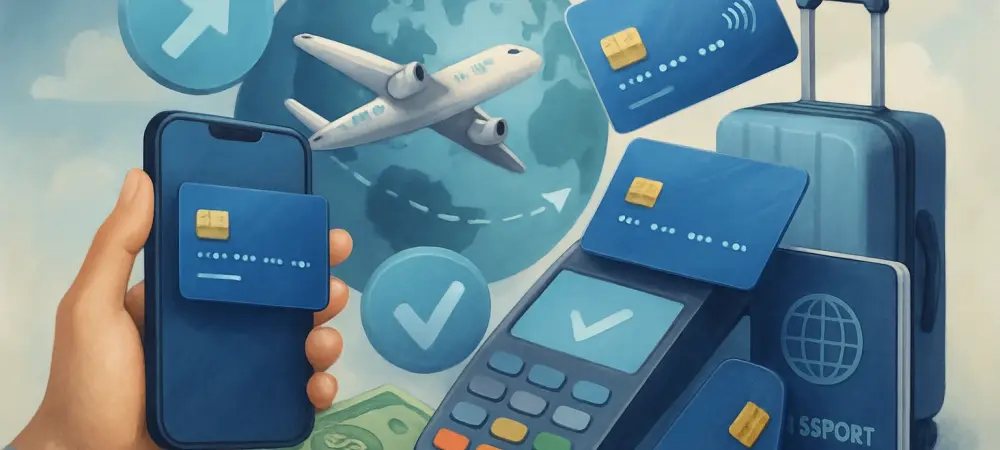
The travel industry is undergoing a profound transformation as digital payments redefine how transactions are conducted, with over 70% of global travelers now opting for contactless or app-based methods to book flights, hotels, and more. This shift is not merely a convenience but a necessity in an era where speed and security are paramount for millions of globetrotters navigating a post-pandemic surge in tourism. As digital adoption accelerates, the integration of financial technology, or FinTech, into travel payments has emerged as a critical trend, promising seamless experiences for consumers and businesses alike. This analysis delves into this evolving landscape, spotlighting a groundbreaking partnership between Revolut, a leading FinTech player, and Booking.com, a titan in online travel, as a prime example of innovation driving the future of travel transactions.
The Rise of FinTech in Travel Transactions
Market Growth and Adoption Trends
The integration of FinTech solutions into the travel sector has seen remarkable growth, with digital payment adoption soaring as mobile wallets and contactless methods become mainstream. Industry reports indicate that the global digital payments market in travel is projected to grow at a compound annual growth rate of over 15% from the current year to 2027, fueled by consumer demand for frictionless experiences. This surge is evident in the rising use of mobile wallets, with platforms like Apple Pay and Google Pay accounting for a significant share of travel-related transactions across hotels, airlines, and booking platforms.
Beyond individual consumers, travel businesses are increasingly embedding FinTech tools to streamline operations and enhance customer interactions. Data from recent studies show that nearly half of travel companies worldwide have adopted app-based payment systems to cater to tech-savvy customers who prioritize speed at checkout. This trend reflects a broader shift toward digitization, where the convergence of finance and travel technology is reshaping expectations for efficiency and accessibility in every transaction.
Real-World Impact Through Strategic Partnerships
A standout illustration of this trend is the global collaboration between Revolut and Booking.com, which has introduced Revolut Pay as a checkout option for accommodations, with plans to extend this to flights and car rentals. This partnership leverages the overlap in their customer bases to offer a streamlined payment experience, allowing users to complete transactions with a single click directly through the Revolut app. The integration is bolstered by biometric security features, ensuring that safety remains a top priority for users booking their next getaway.
Additionally, this alliance goes beyond consumer-facing solutions, as Booking.com has adopted Revolut Business for operational support, signaling deeper integration at the corporate level. This strategic move not only enhances payment processing for the travel platform but also sets a foundation for future expansions into other travel services. Such partnerships highlight how FinTech innovations are not just add-ons but integral components of modern travel ecosystems, delivering value to both end-users and businesses.
Enhancing User Experience Through Innovation
Rewards and Incentives Driving Adoption
Central to the appeal of the Revolut and Booking.com collaboration is the introduction of RevPoints, a loyalty program designed to reward users for transactions made via Revolut Pay. This initiative allows customers to accumulate points on purchases, which can then be redeemed for a variety of travel perks, including discounts on accommodations, airline miles, and other benefits. Such incentives are crafted to boost user engagement by adding tangible value to every payment, transforming routine bookings into opportunities for rewards.
The focus on rewards underscores a mutual commitment to user convenience, ensuring transactions are not only faster and more secure but also more rewarding. By embedding loyalty benefits into the payment process, this partnership taps into consumer desires for added value, encouraging adoption of digital payment methods over traditional options. This approach exemplifies how FinTech can elevate the travel experience by aligning financial tools with customer aspirations.
Expert Perspectives on FinTech-Travel Synergy
Insights from industry leaders further illuminate the significance of this trend, with Revolut’s general manager of acquiring, Alex Codina, emphasizing the alignment with evolving customer preferences in travel. Codina notes that the integration of faster, more secure checkout options directly addresses pain points in the booking process, enhancing overall satisfaction. This perspective highlights the role of FinTech in solving real-world challenges faced by travelers seeking efficiency.
Similarly, Booking.com’s senior director of commercial fintech, JC Rodriguez, underscores the importance of delivering fast, secure, and flexible transaction options to a global audience. Rodriguez points to Revolut’s robust growth in key European markets as a strategic advantage, enabling Booking.com to offer cutting-edge payment solutions to diverse demographics. These expert views collectively affirm that the synergy between FinTech and travel is poised to redefine industry standards through innovation and customer focus.
The Future of FinTech in Travel Payments
Speculation on the trajectory of FinTech in travel suggests that partnerships like the one between Revolut and Booking.com could expand into other sectors, such as experiential travel or transportation services. The potential for integrated payment systems to cover every aspect of a journey—from booking to on-the-ground expenses—offers a vision of a fully connected travel ecosystem. This evolution could see FinTech solutions becoming the backbone of personalized travel planning, tailored to individual preferences through advanced data analytics.
However, challenges such as data security and regulatory compliance remain critical hurdles that must be addressed to sustain this momentum. Balancing these concerns with the benefits of enhanced customer loyalty and market expansion will be essential for both industries. Robust encryption and adherence to international standards will play a pivotal role in maintaining trust as these technologies scale across borders and demographics.
Looking ahead, the trend of FinTech in travel payments is likely to drive greater personalization through technology, with artificial intelligence and machine learning enabling customized payment experiences. The possibility of predictive payment systems, which anticipate user needs based on past behavior, could further streamline transactions. As these innovations unfold, they hold the promise of reshaping global travel payments into a more intuitive and user-centric domain.
A New Era of Travel Payments
Reflecting on this transformative period, the partnership between Revolut and Booking.com stands as a benchmark for how FinTech innovation can redefine travel payments, setting a precedent for others in the industry. The collaboration demonstrates the power of integrating secure, user-friendly payment solutions to meet the demands of a digitally savvy audience. As a next step, industry stakeholders are encouraged to forge similar alliances, leveraging technology to bridge gaps in customer experience, while travelers are urged to explore these modern payment avenues for a smoother journey. This era marks the beginning of a broader movement toward reimagining financial interactions in travel, with endless possibilities for further integration and enhancement on the horizon.