

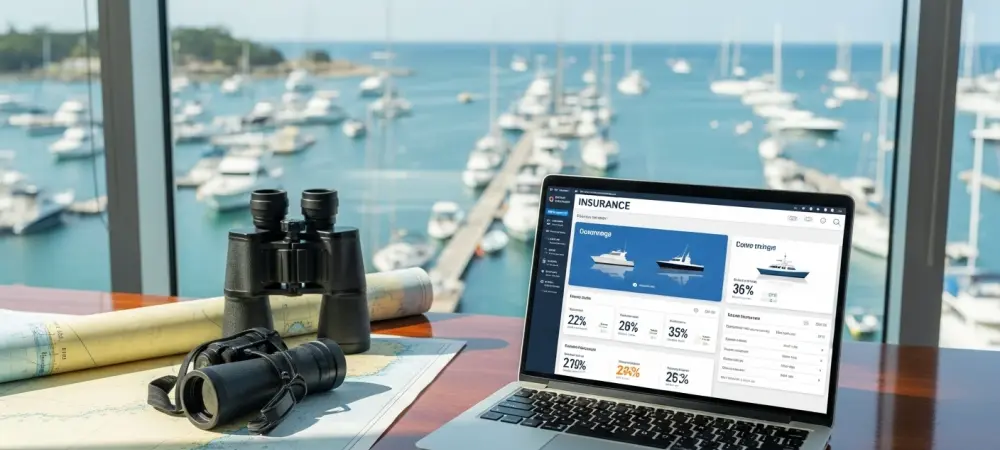
Securing comprehensive yacht insurance has transitioned from a bureaucratic hurdle to a seamless part of the docking experience, fundamentally altering how boaters interact with facilities. As recreational boating expands, the demand for point-of-sale financial services is transforming marinas into sophisticated ecosystems. This shift toward embedded insurance, seen in the Suntex Marinas and NFP alliance, simplifies risk management within this lifestyle.
The Surge of Embedded Insurance in the Marine Sector
Market Growth and Digital Adoption Statistics
Digital adoption is accelerating the transition toward embedded finance, with valuations rising toward 2030. Boaters prioritize one-stop experiences over fragmented models. Integrated platforms reduce friction and increase policy uptake among new boat owners.
Case Study: The Suntex Marinas and NFP Strategic Partnership
The collaboration between Suntex Marinas and NFP established a specialized insurance program acting as an exclusive brokerage. This model provides a single access point for coverage tailored to specific vessels. A national rollout ensured digital quoting reached customers at all touchpoints.
Expert Perspectives on Specialized Risk Management
Industry leaders note that lifestyle-integrated services represent the new standard for high-end recreation. Exclusive brokers provide a deep understanding of operational risks that generalists miss. Expert live assistance remains a vital bridge, ensuring platforms maintain a personal touch for complex assets. Modernizing claims through direct coordination between marinas and brokers also reduces administrative burdens. This synergy allows for faster repairs and more accurate assessments. It benefits both the insurer and the policyholder by streamlining the recovery process after an incident.
The Future Horizon of Integrated Marine Services
Marine insurance will likely involve telematics and IoT data to adjust premiums in real time. Marinas are evolving into hubs where maintenance and protection converge. However, data privacy remains a challenge for developers.
This model could expand into other luxury sectors where protection becomes a default feature of ownership. The blurring lines between property management and financial services suggest a future of automated security. Consumers will expect protection to be integrated into every high-value purchase.
Conclusion: A New Standard for the Boating Experience
The drivers behind integrating insurance into marina management focused on convenience and specialized protection. The partnership between Suntex and NFP functioned as a blueprint for risk management. Embedding financial security into the environment drove loyalty and set a new benchmark.