

The Evolution of the Digital Shopping Cart
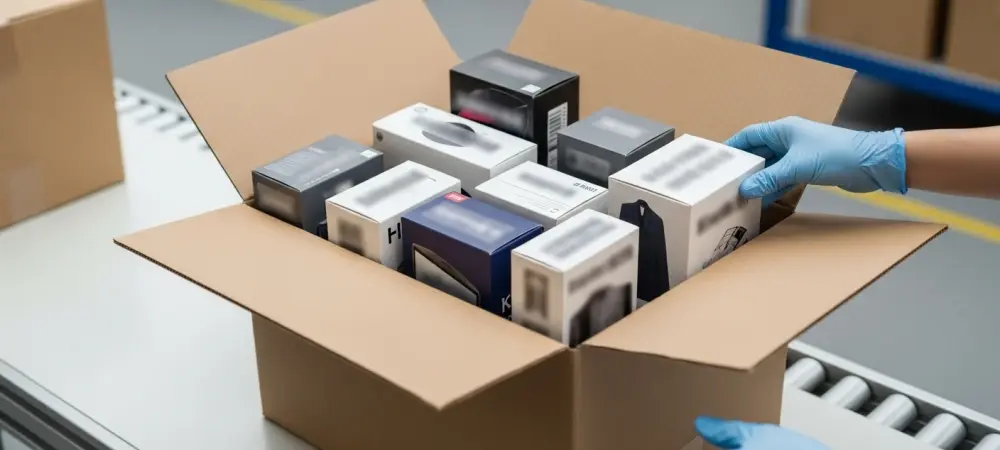
The days when consumers would reflexively click “buy now” for a single tube of toothpaste or a solitary charging cable have largely vanished in favor of a more calculated, strategic approach to the digital checkout experience. This fundamental shift marks the end of the hyper-impulsive era and the beginning of the “consolidated cart.” As logistics costs continue to climb and delivery windows become more standardized, the economic burden of individual shipments has forced both retailers and shoppers to prioritize high-volume transactions.
This movement toward purchase consolidation is not merely a change in consumer habit but a structural evolution of digital commerce efficiency. By aggregating multiple items into a single shipment, the retail ecosystem addresses the mounting pressures of last-mile delivery and sustainability. This analysis explores the data-driven rise of dense shopping carts, the technological tools facilitating this growth, and the long-term implications for global supply chains through 2029.
Quantitative Analysis of the Consolidation Movement
Growth Statistics and Global Adoption Trends
Recent market data from Statista highlights a significant upward trajectory in cart density, with the global average rising to 4.52 products per order between 2024 and 2025. This transition from frequent, small-scale purchases to high-volume, strategic orders serves as a primary key performance indicator for the health of modern retail platforms. It indicates that shoppers are no longer using e-commerce for emergency replacements but rather as a primary channel for weekly or monthly replenishment.
This metric reflects a maturing market where digital literacy allows consumers to manage complex inventories from their homes. Instead of placing five separate orders over a week, the modern shopper waits to execute a single transaction that covers diverse needs. Consequently, the revenue per user has become more concentrated, forcing platforms to shift their focus from high traffic frequency to maximizing the utility of every individual session.
Real-World Applications and Market Leaders
Global marketplaces have adapted by creating environments that facilitate diverse product aggregation within a single checkout flow. Industry giants utilize “bundling” promotions and volume discounts to encourage shoppers to reach higher cart densities. By offering tiered pricing—where the cost per unit decreases as more items are added—retailers effectively gamify the consolidation process. This strategy turns a simple transaction into a value-seeking mission for the consumer.
Furthermore, subscription models and “wait-to-ship” features have become standard among top-tier brands. These tools allow customers to hold items in a virtual queue until a designated delivery day, ensuring that various products arrive in a single box. This practice not only streamlines the receiving process for the customer but also allows the merchant to optimize warehouse picking and packing sequences, significantly reducing the operational overhead associated with fragmented orders.
Strategic Drivers Behind the High-Volume Shift
The primary catalyst for this shift is the psychological trigger of the “free delivery threshold,” which remains the most effective tool for increasing order value. Consumers are increasingly averse to paying shipping fees, often choosing to add several lower-cost items to their carts to bypass these costs. This behavior has transformed the digital shopping experience into a planned activity where the goal is to maximize the value of the delivery itself, rather than just acquiring a specific product. Artificial intelligence also plays a fundamental role through sophisticated recommendation engines. Modern cross-selling tools analyze historical data to suggest complementary products in real-time, often identifying needs the consumer had not yet consciously recognized. When these AI-driven suggestions align with a shopper’s intent to reach a shipping threshold, the result is a seamless increase in items per visit. This synergy between financial incentives and personalized technology has effectively killed the “one-click” era.
Expert Perspectives on Operational and Environmental Impact
Industry experts point to the “last-mile” as the most critical beneficiary of this consolidation trend. When delivery drivers can drop off four or five items at a single doorstep rather than making multiple stops, the carbon footprint of each individual item drops significantly. This operational efficiency is essential for urban logistics, where congestion and fuel costs have historically limited the profitability of home delivery. Consolidation serves as a necessary rationalization of an e-commerce experience that was previously too fragmented to be sustainable.
However, professionals also highlight a growing tension regarding packaging waste. While delivery emissions may decrease, high-volume orders often require larger boxes and more protective fillers, leading to an increase in physical waste. The challenge for the future lies in balancing the gains of fuel efficiency with the environmental costs of materials. Most experts agree that the trend toward consolidation is the only viable path forward for a retail sector that must align profitability with environmental stewardship.
The Future of Consolidated Commerce
As e-commerce moves toward an estimated 21% share of total global retail by 2029, the trajectory of consolidation will likely accelerate through predictive technology. Retailers are expected to implement automated reminders that prompt users to restock recurring items just as they are about to finalize a different purchase. This proactive approach will further solidify the “efficient consumer” mindset, where the platform takes on the role of a personal inventory manager, ensuring that no box ever ships half-empty. Brands that fail to adapt to this shift risk losing relevance in an economy that values logistical transparency and financial optimization. The integration of predictive restocking and automated consolidation will become a baseline expectation for the digital shopper. While this presents challenges for inventory management and warehouse spacing, the rewards include higher customer lifetime value and a more resilient supply chain. The evolution of the shopping cart is ultimately a move toward a more logical and resource-conscious digital economy.
Summary of the Consolidated Retail Landscape
The shift toward e-commerce purchase consolidation represented a significant turning point in how digital transactions were conducted and perceived. Data trends confirmed that the era of impulsive, single-item shopping was replaced by a more strategic model that favored volume and logistical efficiency. This change was driven by a combination of consumer desire for cost savings and the deployment of advanced AI recommendation engines that successfully increased items per visit across all major platforms. Retailers found that by incentivizing larger carts, they could mitigate the rising costs of shipping while simultaneously improving their environmental profiles. This movement necessitated a complete overhaul of traditional inventory management and last-mile logistics, placing a premium on brands that could facilitate complex, multi-item orders. Ultimately, the industry moved toward a future where convenience and financial optimization became the primary forces dictating the contents of the global shopping cart.