

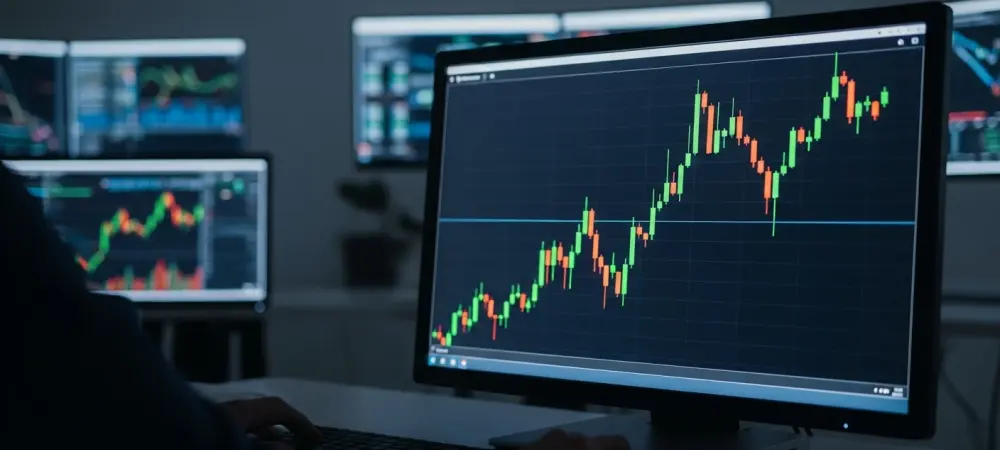
A single proposal from the social platform UXLINK to repurchase its tokens sent its price soaring, offering a vivid snapshot of the potent and rapidly expanding trend of crypto buybacks. This immediate market reaction is far from an isolated event; it is a clear indicator of a growing, multi-billion dollar movement within the Web3 space. As projects mature and generate real profits, they are increasingly turning to this traditional finance mechanism to manage their economies and reward their communities. This analysis explores the mechanics behind crypto token buybacks, their real-world impact on price action, the strategic thinking that drives them, and what their rising prominence means for the future of the digital asset economy.
The Rise and Mechanics of Token Buybacks
A Growing Multi-Billion Dollar Trend
The surge in token buybacks represents a significant strategic shift in the cryptocurrency sector. Data from industry trackers like CoinGecko highlights the sheer scale of this trend, with projects collectively spending over $1.4 billion on buybacks by mid-October alone. This figure underscores a deliberate move by developers to actively manage their token’s market dynamics rather than leaving them entirely to speculative forces. This growing financial commitment signals a new phase of maturity for the industry, where sustainable revenue and value return are becoming paramount.
At its core, a token buyback operates on a simple economic principle: reducing supply to potentially increase value. When a project uses its profits to purchase its own tokens from the open market, it effectively decreases the number of tokens in circulation. Assuming demand for the token remains constant or continues to grow, this engineered scarcity can create upward pressure on its price. This mechanism provides a direct way for projects to reinvest in their own ecosystem, reflecting a strong belief in their long-term value proposition.
What was once a niche mechanism has now evolved into a mainstream strategy for established and profitable crypto projects. In the early days of crypto, tokenomics often focused solely on emission schedules and initial distribution. However, as projects build sustainable business models, buybacks have become a sophisticated tool for effective treasury management. It allows them to fine-tune their economic models, reward long-term holders, and signal a transition from a growth-at-all-costs mindset to one focused on sustainable value creation.
Real-World Impact Case Studies in Price Action
The market’s enthusiastic response to buyback announcements provides compelling evidence of their influence. The UXLINK proposal serves as a prime example; by pledging to use monthly profits to repurchase at least 1% of the total token supply, the project triggered an immediate 5% price increase. This jump reflected renewed investor confidence, as the market interpreted the move as a strong signal of the project’s financial health and commitment to its token holders.
Even more dramatic results can be seen in other cases, highlighting the potential for significant short-term gains. The ZK token from ZKsync, for instance, experienced a staggering 130% surge in a single week after the project disclosed its buyback initiative. Such a powerful market reaction demonstrates that investors are not only noticing these announcements but are actively trading on them, viewing buybacks as a credible catalyst for positive price momentum.
This pattern of positive market response is not an anomaly. Across the sector, similar announcements have consistently yielded bullish results. Maple Finance’s SYRUP token rose 16% following its buyback news, while the TYCOON token saw an impressive 80% gain in one week. These examples reinforce the idea that a well-funded buyback program has become a reliable method for projects to stimulate interest, reward their communities, and positively influence their token’s valuation in a competitive market.
Expert Perspectives on Buyback Strategies
One of the primary motivations behind a token buyback is its power as a signaling mechanism. When a project funds a buyback with its own operational profits, it sends an unambiguous message to the market: the business is sustainable, profitable, and confident in its future. This act of reinvesting capital into its own token is often perceived as a more authentic vote of confidence than mere verbal assurances, demonstrating a tangible commitment to long-term value.
Furthermore, buybacks are a direct method of value accrual for existing token holders. This strategy mirrors the role of stock buybacks in traditional equity markets, where reducing the number of outstanding shares increases the ownership stake of remaining shareholders. In the crypto world, decreasing the circulating supply aims to make each remaining token more scarce and, theoretically, more valuable. This directly aligns the project’s success with the financial interests of its community, fostering loyalty and encouraging long-term holding.
Beyond signaling strength and rewarding holders, buybacks also serve as a crucial tool for market stabilization. Many projects have token emission schedules that release new supply into the market for incentives or rewards, which can create persistent downward price pressure. A systematic buyback program can counteract this effect by absorbing excess supply. It can also be deployed strategically during periods of broader market volatility to help establish a price floor, mitigating panic-selling and providing a degree of stability for the token’s ecosystem.
The Future of Token Buybacks in Crypto
Looking ahead, the trajectory of token buybacks points toward greater integration and sophistication. It is increasingly likely that buybacks will become a standard, expected feature in the tokenomic models of established protocols, much like dividends or share repurchases in traditional finance. This evolution will likely spur the development of automated, on-chain mechanisms. Smart contracts could be programmed to execute buy-and-burn or buy-and-distribute operations automatically based on predefined revenue thresholds, enhancing transparency and removing manual intervention.
Despite their benefits, the strategy is not without its challenges. The primary advantage of a buyback program is its ability to build investor trust and create a sustainable economic loop where project success directly translates to token value. However, a key challenge is the risk of these programs being perceived as short-term price manipulation rather than a reflection of fundamental strength. Moreover, their effectiveness is entirely dependent on the project’s ability to generate consistent and substantial profits, making them a less viable option for early-stage or less profitable ventures.
The widespread adoption of token buybacks also carries broader implications for the crypto industry, particularly concerning the regulatory landscape. As these mechanisms make tokens behave more like traditional equity assets—offering a form of value return akin to a dividend—they could attract greater scrutiny from regulators. This trend further blurs the lines between utility tokens and securities, a distinction that remains a central point of debate and could shape future digital asset legislation.
Conclusion A Key Tool in the Tokenomics Playbook
The emergence and rapid adoption of token buybacks demonstrated a clear maturation of the Web3 landscape. What began as an experimental tactic has now solidified into a powerful and popular mechanism for projects to manage token supply, signal financial health, and deliver tangible value back to their communities. This billion-dollar trend is more than just a passing fad; it represents a fundamental shift toward more sustainable and sophisticated economic models. As both investors and builders navigate this evolving space, evaluating a project’s buyback program becomes critical. It is essential to look beyond the initial price surge and analyze the strategy as a core indicator of a project’s long-term vision and fundamental strength.