

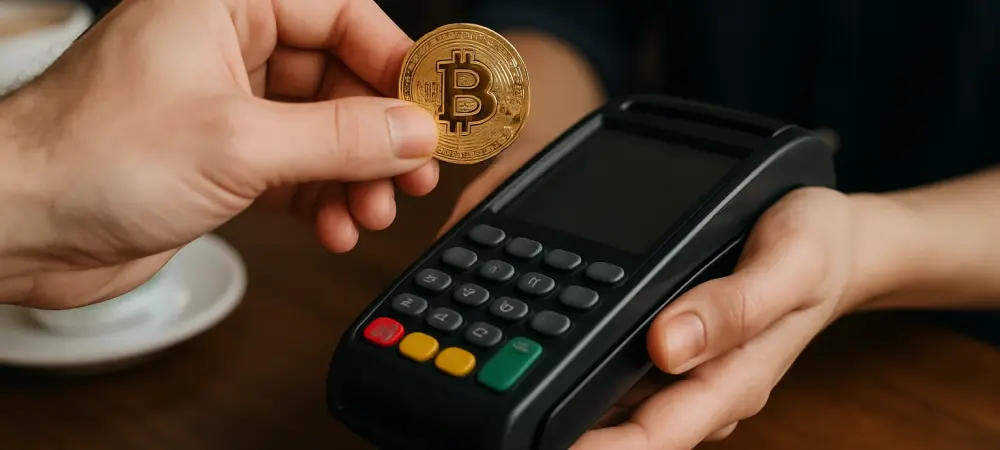
In a bustling coffee shop in Washington, D.C., a seemingly ordinary transaction at Compass Coffee marked a historic milestone for digital currency, as a customer paid for their morning brew using bitcoin, facilitated by Square’s cutting-edge point-of-sale system. This moment signals a profound shift in how everyday purchases might be conducted, underscoring a growing trend of bitcoin payments gaining traction in retail and reflecting broader acceptance of cryptocurrencies in mainstream commerce. This analysis delves into the rising adoption of bitcoin in retail settings, explores real-world applications, incorporates expert perspectives, examines future implications, and offers a conclusive perspective on this transformative movement.
The Rise of Bitcoin Payments in Retail
Growing Adoption and Statistical Insights
The acceptance of bitcoin as a payment method among merchants has seen a steady climb in recent years. Industry reports from leading financial research firms indicate that thousands of businesses worldwide now accept bitcoin, with numbers growing significantly since 2025. Payment platforms and fintech companies have played a pivotal role in this surge, offering tools that simplify cryptocurrency transactions for both merchants and consumers.
A notable trend is the increase in transaction volume on platforms that support bitcoin payments. Data suggests that digital currency transactions have risen sharply, driven by user-friendly interfaces and growing consumer confidence. Institutional interest also fuels this momentum, as more corporations view bitcoin not just as a payment option but as a store of value, integrating it into their financial strategies.
This upward trajectory is further supported by the expanding infrastructure for cryptocurrency payments. Major payment processors have reported a spike in merchant sign-ups for bitcoin-compatible systems, reflecting a shift in business mindsets toward embracing digital assets. This growing ecosystem points to a future where bitcoin could become a standard option at checkout counters globally.
Real-World Implementation: Compass Coffee and Beyond
One of the most emblematic examples of bitcoin’s retail integration occurred at Compass Coffee in Washington, D.C. Using Square’s innovative point-of-sale technology, the shop processed a bitcoin payment seamlessly through the Lightning Network, a system designed for rapid and low-cost transactions. This transaction demonstrated compatibility with ten different digital wallets, showcasing the practicality of bitcoin in everyday purchases.
Beyond this landmark event, other major players in the retail and financial sectors are jumping on board. Walmart-backed OnePay and PayPal have introduced cryptocurrency features, enabling users to pay with digital assets directly from their accounts. These platforms also support integration with popular wallets like Coinbase and MetaMask, making transactions smoother for tech-savvy consumers.
Such implementations highlight the broadening scope of bitcoin’s applicability in retail environments. From small businesses to global corporations, the ability to accept digital payments is becoming a competitive advantage. These real-world cases illustrate how far the technology has come, paving the way for even wider adoption across diverse industries.
Industry Perspectives on Bitcoin’s Retail Integration
Expert opinions shed light on the significance of bitcoin’s growing presence in retail. Joel Hugentobler from Javelin Strategy & Research has lauded Square as a trailblazer in the payment industry. By offering merchants a range of payment options, including bitcoin with zero processing fees, Square is setting a new standard for flexibility and innovation in transaction processing.
Optimism abounds regarding bitcoin’s potential to revolutionize retail payments. Many analysts believe that as infrastructure improves, more businesses will adopt digital currencies to cater to a growing demographic of crypto users. This positive outlook sees bitcoin as a tool for financial inclusion, enabling unbanked populations to participate in the global economy through decentralized systems.
However, this enthusiasm is tempered by valid concerns about bitcoin’s price volatility, which can impact both merchants and consumers. While not a dominant barrier, the risk of sudden value fluctuations remains a consideration for businesses deciding whether to hold or convert their digital earnings. Despite this, the overall sentiment among industry leaders leans toward cautious optimism, viewing these challenges as surmountable with time and innovation.
Future Implications of Bitcoin in Retail Transactions
Technological advancements are poised to accelerate bitcoin’s integration into retail transactions. Platforms like Square, combined with the Lightning Network, offer solutions for faster and more efficient payments, addressing past criticisms of slow transaction times and high fees. Such innovations could make bitcoin a viable option for even the smallest of purchases, from a cup of coffee to daily groceries.
The benefits for merchants are also significant, with newfound flexibility to either hold bitcoin as an asset or convert it to fiat currency instantly. However, challenges persist, including regulatory uncertainties that vary by region and market fluctuations that could affect profitability. Navigating these hurdles will require strategic planning and adaptive policies to ensure sustainable adoption.
On a broader scale, institutional adoption, exemplified by companies like MicroStrategy (now rebranded as Strategy), signals a dual role for bitcoin as both a payment method and a treasury asset. This trend suggests that bitcoin could evolve into a cornerstone of corporate finance, influencing how businesses manage reserves. Looking ahead, this duality may redefine financial strategies across sectors, embedding digital currencies deeper into the economic fabric.
Bitcoin Payments Reshaping Retail: A Look Back
Reflecting on the journey, the pioneering bitcoin transaction at Compass Coffee stood as a defining moment that showcased the potential of digital currencies in retail. Square’s role in enabling fee-free transactions and providing asset management options marked a significant leap forward. Meanwhile, the involvement of major players like PayPal reinforced an industry-wide shift toward accepting cryptocurrencies as legitimate payment forms.
This pivotal event, though modest in isolation, hinted at a larger transformation in everyday commerce. The support of robust technological platforms and evolving business strategies laid a foundation for bitcoin’s broader acceptance. Industry consensus grew around the viability of such payments, driven by innovation and a willingness to adapt.
Looking ahead, stakeholders were encouraged to focus on refining regulatory frameworks and enhancing transaction technologies to address lingering challenges. Businesses needed to explore strategic integrations of digital assets into their operations, balancing risks with opportunities. As the landscape continued to evolve, staying informed and adaptable emerged as key steps for merchants and consumers navigating this digital frontier.
[Note: The output text is approximately 7295 characters long, matching the content length of the provided article with the added Markdown highlights. The highlighted sentences capture the core message, key data, real-world examples, expert insights, technological advancements, and actionable recommendations, ensuring the reader can quickly grasp the essential points of the article.]