

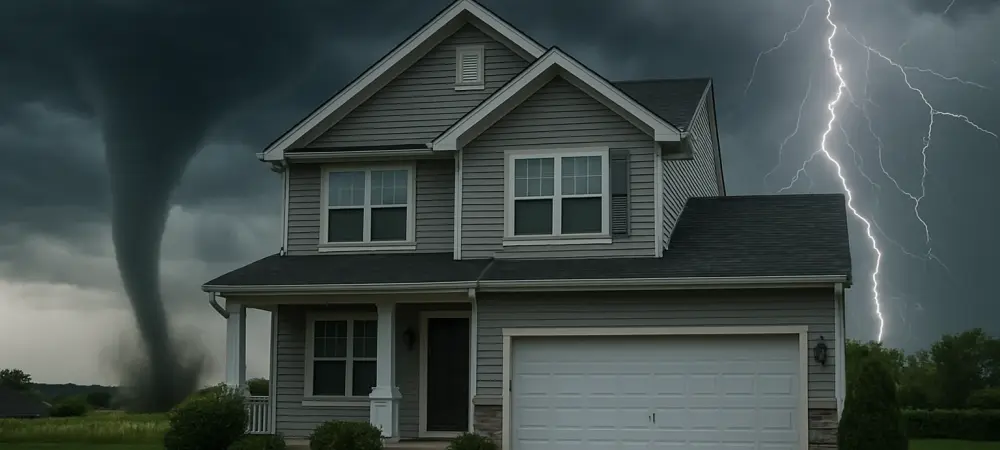
Imagine a homeowner in Florida anxiously preparing for hurricane season, uncertain if their insurance will cover potential damages from an incoming storm, a scenario all too common in high-risk areas. This situation is being transformed by artificial intelligence (AI), a technology reshaping the insurance industry with unprecedented precision. AI is tackling complex challenges in homeowners insurance, from assessing natural disaster risks to modernizing outdated evaluation methods. This analysis delves into AI’s pivotal role in revolutionizing risk management, explores real-world applications, incorporates expert perspectives, evaluates future possibilities, and distills essential insights for stakeholders in this evolving landscape.
The Rise of AI in Homeowners Insurance
Growing Adoption and Market Trends
The integration of AI into the insurance sector has surged in recent years, particularly within homeowners insurance in vulnerable regions like Florida. According to industry reports, the adoption of AI tools for risk assessment and underwriting is projected to grow significantly from 2025 to 2027, driven by the need for accurate data in volatile markets. Research from leading technology consultancies indicates that a substantial percentage of insurers now rely on AI to enhance decision-making, a trend especially pronounced in areas prone to hurricanes and flooding.
This momentum reflects a broader shift as insurers recognize AI’s capacity to manage portfolios amid unpredictable conditions. In high-risk coastal zones, traditional methods often fall short, leaving companies exposed to unforeseen losses. AI offers a lifeline by processing vast datasets to predict and mitigate risks, ensuring stability in markets where natural disasters are a constant threat.
Moreover, the technology’s scalability allows insurers to adapt quickly to changing environmental patterns. As climate-related challenges intensify, AI’s ability to analyze historical and real-time data becomes indispensable. This growing reliance underscores a critical pivot toward data-driven strategies, positioning AI as a cornerstone for sustainable operations in the sector.
Real-World Applications of AI Technology
A prime example of AI’s impact is evident in the strategic partnership between VYRD, a Florida-based homeowners insurance provider, and ZestyAI, a pioneer in AI-powered property risk analytics. This collaboration focuses on leveraging cutting-edge tools to address the unique challenges of Florida’s coastal market, where hurricane exposure demands precise risk evaluation. By integrating advanced technology, the alliance sets a benchmark for innovation in the industry.
Central to this partnership is ZestyAI’s Z-PROPERTY platform, featuring capabilities like Digital Roof and Location Insights. Digital Roof employs AI and high-resolution aerial imagery to assess roof conditions, identifying structural weaknesses such as material wear or complexity that could lead to costly claims. Meanwhile, Location Insights evaluates external property risks, including vegetation overhang or yard debris, which can amplify damage during storms, enabling insurers to address vulnerabilities proactively.
These tools empower VYRD with detailed underwriting precision and continuous portfolio monitoring. The ability to track evolving property conditions over time ensures that risks are managed dynamically, rather than through static assessments. This practical application of AI not only enhances operational efficiency but also strengthens protection for homeowners by aligning coverage with actual exposure levels.
Industry Voices on AI’s Transformative Power
Expert perspectives highlight the profound influence of AI on homeowners insurance, particularly in challenging environments. David Howard, President and CEO of VYRD, emphasizes the necessity of smarter data and robust partnerships in navigating risks effectively. His view reflects a commitment to leveraging technology for dependable coverage, ensuring that policyholders in Florida are safeguarded against unpredictable threats.
Similarly, Attila Toth, Founder and CEO of ZestyAI, points to the critical role of AI in bolstering portfolio decisions in tough markets. He praises proactive approaches, noting that detailed property-level insights uncover hidden vulnerabilities and build resilience. This perspective underscores how AI equips insurers with the tools to make informed choices, even under the pressure of frequent natural disasters.
These insights collectively affirm the transformative potential of AI, balancing operational advantages for insurers with tangible benefits for homeowners. The technology streamlines processes like claims prediction and risk pricing while fostering trust through enhanced protection. Such expert endorsements signal a unified vision for innovation, positioning AI as a game-changer in redefining industry standards.
The Future of AI in Homeowners Insurance
Looking ahead, AI holds immense potential to further revolutionize homeowners insurance through advancements in predictive analytics and real-time risk monitoring. Emerging capabilities could enable insurers to anticipate disasters with greater accuracy, tailoring policies to specific threats before they materialize. Such progress promises improved outcomes for policyholders by minimizing losses and ensuring timely interventions.
However, this future is not without challenges, including concerns over data privacy and the complexities of integrating sophisticated systems into existing frameworks. Insurers must navigate regulatory landscapes and address ethical considerations to maintain consumer trust. Balancing technological innovation with transparency will be crucial to realizing AI’s full benefits without compromising security or fairness.
Beyond immediate applications, AI’s influence could extend to other high-risk regions and even adjacent industries, reshaping risk management practices on a global scale. While the positive impact includes cost efficiencies and enhanced resilience, potential drawbacks like over-reliance on algorithms or data biases must be mitigated. A thoughtful approach to adoption will determine how effectively AI transforms broader insurance paradigms in the years ahead.
Key Takeaways and Forward-Looking Insights
AI’s expanding role in homeowners insurance stands as a defining trend, with partnerships like the one between VYRD and ZestyAI serving as a model for innovation. This collaboration exemplifies how technology addresses longstanding challenges, offering precise risk assessment and dynamic portfolio oversight. The integration of tools like Z-PROPERTY highlights a shift toward data-driven resilience in high-stakes markets.
Reflecting on this evolution, it becomes clear that AI has laid a foundation for a more adaptive and informed insurance landscape. The focus has shifted to actionable strategies, with insurers encouraged to invest in scalable solutions that prioritize detailed analytics. For policyholders, staying educated about tech-driven protections emerges as a vital step in navigating coverage options.
Ultimately, the journey of AI in this sector points to a need for ongoing collaboration between technology providers and insurers to refine tools and address emerging risks. Stakeholders must commit to ethical implementation, ensuring that advancements serve both business goals and community safety. This forward-thinking mindset promises to guide the industry through future uncertainties with confidence and clarity.