

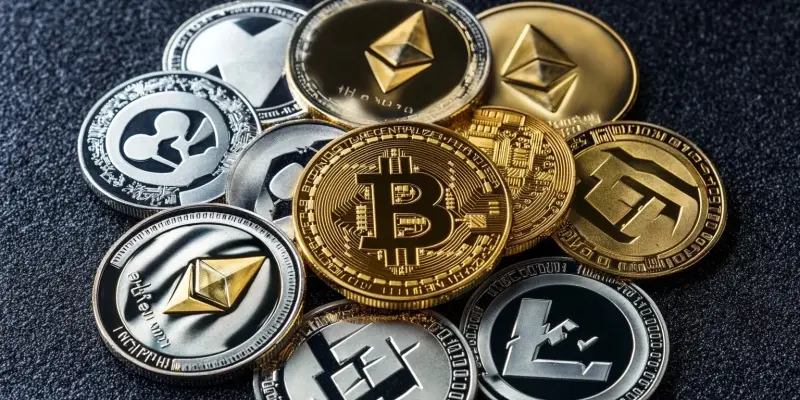
The cryptocurrency landscape is evolving rapidly, presenting new opportunities for investors. As blockchain technology progresses and new projects emerge, savvy investors are on the lookout for the next big thing. Moving into February 2025, several cryptocurrencies are making waves and setting themselves apart through innovation, scalability, and community-driven efforts. This article highlights four of these promising cryptocurrencies—GraphLinq ($GLQ), Terra Classic (LUNC), SEI (SEI), and SUI (SUI)—each of which is gaining traction and redefining the blockchain space.
GraphLinq ($GLQ) – The No-Code Web3 Revolution
GraphLinq is revolutionizing the way decentralized applications (DApps) are developed and managed. With its no-code integrated development environment (IDE), GraphLinq empowers users to create DApps and automate blockchain workflows through an intuitive drag-and-drop interface. This user-friendly approach is further enhanced by AI-powered automation features, making blockchain processes more accessible to a broader audience and breaking down the barriers to entry for novices in the space.
In addition, GraphLinq includes a decentralized exchange (DEX) that boasts an Automated Market Maker (AMM) to improve trading efficiency while reducing costs. The presence of a blockchain explorer offers real-time transaction tracking and analytics, delivering valuable insights into blockchain activity. This combination of features positions GraphLinq as a potent tool for developers and traders alike. The platform’s user base has grown significantly, integrating with major blockchain platforms and finding wide adoption in areas such as decentralized finance (DeFi), non-fungible tokens (NFTs), and enterprise-level applications.
A notable partnership with Google’s Startups Cloud Program has allowed GraphLinq to further enhance its offerings. This collaboration provides the project with advanced technology that bolsters its automation capabilities, smart contract deployment, and overall user experience. Leveraging such strategic partnerships underscores GraphLinq’s commitment to scaling and improving performance, cementing its position as a major player in driving Web3 technology forward and offering substantial long-term investment potential.
Terra Classic (LUNC) – Community-Led Recovery
Terra Classic is staging an impressive comeback through its robust community-driven efforts and innovative mechanisms. The LUNC community has implemented a deflationary model by introducing a burn mechanism that reduces the total circulating supply. This model serves to potentially increase the token’s value over time, fostering investor confidence in the recovery process. Strong community governance is the backbone of Terra Classic’s resurgence, with active participation in decision-making processes, ensuring transparency and collective progress.
A significant aspect of Terra Classic’s revival strategy is its focus on stablecoin recovery. By working diligently to regain stability and prominence within the stablecoin ecosystem, Terra Classic aims to reestablish itself as a prominent player in the cryptocurrency market. Despite the challenges faced post-collapse of its sister token LUNA, the dedicated community has made significant strides in overcoming these obstacles.
Investor sentiment has turned positive as these recovery initiatives achieve tangible results, emphasizing the resilience and potential of Terra Classic. The combination of a deflationary model and robust community governance highlights Terra Classic’s unique approach and conveys a compelling narrative for investors. As the project continues to rebuild and reclaim its status in the market, it presents a viable investment opportunity for those who wish to support a determined and community-driven project leading into February 2025.
SEI (SEI) – High-Performance Blockchain for DeFi
SEI is confronting one of the most pressing challenges within the blockchain industry: scalability. Addressing this issue through innovative Layer-2 scaling solutions, SEI enhances transaction speed and boosts network efficiency. These improvements make SEI an attractive platform for decentralized finance (DeFi) projects, which require robust infrastructure to handle high transaction volumes. SEI’s unique consensus mechanism enhances security, decentralization, and fast processing speeds, ensuring a secure and efficient environment for users and developers.
Collaboration with leading DeFi projects has further expanded SEI’s use cases and market adoption. These major partnerships underscore SEI’s potential to deliver real-world applications while addressing key inefficiencies in the blockchain space. As more projects begin to adopt SEI’s platform, it is well-positioned for significant growth, reinforced by its inherent technological advantages and ability to scale effectively.
SEI’s focus on achieving scalability without compromising on security or decentralization sets it apart from other blockchain platforms. The project’s commitment to improving network efficiency while maintaining high performance aligns with the growing demands of the cryptocurrency market. As SEI continues to build its robust infrastructure, it offers a compelling proposition for long-term investment, appealing to those who recognize the importance of seamless scalability in blockchain technology.
SUI (SUI) – Next-Generation Decentralization
SUI is making a significant impact in the blockchain world with its commitment to decentralization and community-driven governance. This project focuses on creating a blockchain platform that prioritizes user empowerment and participatory validation, which aligns well with the evolving ethos of the cryptocurrency space. SUI’s innovative consensus algorithm and governance model ensure that decisions are collectively made, fostering a higher degree of transparency and inclusiveness.
SUI also stands out for its technological advancements, which include enhanced security protocols and versatile scalability solutions. These features make SUI a highly attractive option for developers looking to create decentralized applications that can handle a wide array of use cases. Its ecosystem is enriched by a strong developer community that continuously contributes to the platform’s growth and innovation.
As February 2025 approaches, SUI’s emphasis on true decentralization and user participation sets it apart from other blockchain projects. By fostering a vibrant, inclusive community and consistently delivering technological improvements, SUI offers a robust investment potential for those interested in supporting next-generation blockchain solutions.