

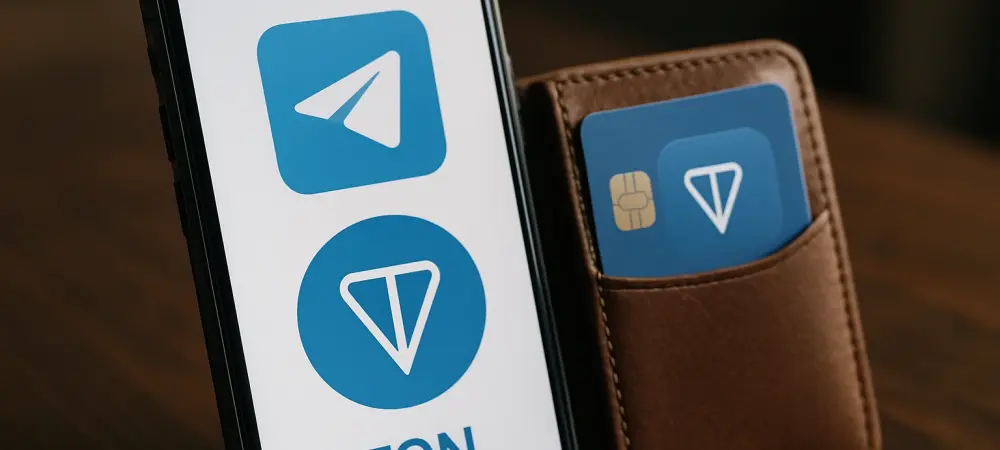
Welcome to an exciting conversation about the recent launch of TON Wallet for US Telegram users! I’m thrilled to be speaking with a leading expert in blockchain technology and cryptocurrency innovation. With a deep understanding of decentralized systems and digital wallets, our guest today offers invaluable insights into how TON Wallet is poised to transform crypto accessibility for millions of Americans. In this interview, we’ll explore the unique features of this multi-chain wallet, the regulatory shifts that made its US debut possible, and the potential impact on crypto adoption across the country. Let’s dive in!
Can you give us a broad picture of what TON Wallet is and how it integrates with the Telegram app for users?
Absolutely. TON Wallet is a cryptocurrency wallet built by The Open Platform on The Open Network blockchain. It’s designed to be seamlessly integrated into the Telegram app, meaning users can manage their crypto holdings without ever leaving the platform. Whether you’re buying, selling, or trading, it all happens through a user-friendly interface right within Telegram. It’s a game-changer for accessibility, especially for those who are already using the app for messaging and other activities.
What sets TON Wallet apart from the many other crypto wallets available today?
What makes TON Wallet unique is its combination of multi-chain support and self-custodial nature. It’s not limited to just one blockchain; it supports hundreds of cryptocurrencies across different networks, giving users a lot of flexibility. Being self-custodial means users have full control over their funds—no third party holds their private keys. This empowers users with both security and freedom, which isn’t always the case with custodial wallets where you’re reliant on a service provider.
Since its initial launch in 2023, TON Wallet has seen significant growth in other regions. Can you share how many users it has attracted globally so far?
Yes, the response has been incredible. Since its debut in Asian and European markets in 2023, TON Wallet has accumulated over 100 million users worldwide. That number speaks to the demand for an easy-to-use, integrated crypto solution, and it’s a strong foundation as we expand into the US market.
Why wasn’t TON Wallet available to US users until now, and what challenges had to be overcome?
The delay in launching for US users primarily came down to regulatory hurdles. The US has historically had a complex and cautious approach to cryptocurrency, with strict compliance requirements that vary by state and federal levels. We had to ensure everything was in line with those regulations, which took time and careful navigation. It wasn’t until recently that we felt confident we could meet all the necessary standards to roll out the wallet here.
How have recent shifts in US government attitudes toward cryptocurrency influenced this launch?
There’s been a noticeable shift in how the US government views cryptocurrency over the past few years. While still cautious, there’s growing recognition of its potential as a financial tool, and some policymakers are advocating for clearer, more supportive frameworks. This evolving perspective created an environment where we could confidently bring TON Wallet to American users, knowing there’s a path forward for compliance and innovation to coexist.
What are some of the standout features US users can expect when they start using TON Wallet?
US users are getting the full suite of features that have made TON Wallet popular globally. This includes zero-fee conversions from dollars to crypto, which eliminates a common barrier for new users. There’s also the ability to withdraw funds directly to a credit or debit card, making it easy to move money back into traditional banking. Plus, users can earn passive income by holding certain tokens in their wallet, which is a great incentive for long-term engagement.
One intriguing feature is sending crypto to friends via direct messages on Telegram. Can you walk us through how that works and address any security concerns?
It’s a really cool feature. Essentially, you can send cryptocurrency to anyone in your Telegram contacts as easily as sending a text. You select the amount and the token, confirm the transaction, and it’s done—all within the chat interface. On the security front, since TON Wallet is self-custodial, users control their private keys, and transactions are secured by the underlying blockchain technology. We’ve also implemented robust encryption to protect user data within Telegram, so it’s designed with safety in mind.
With support for hundreds of cryptocurrencies, can you highlight a few that US users might be most excited to trade or hold?
Definitely. TON Wallet supports major players like Bitcoin, Ethereum, and Tether, which are staples for most crypto enthusiasts due to their market dominance and stability. Additionally, Toncoin, which is native to The Open Network, is another popular choice given its integration with the platform. These are just a starting point, but they cover a wide range of user interests from investment to everyday transactions.
How does The Open Platform ensure the security of users’ funds within TON Wallet?
Security is a top priority for us. Since TON Wallet is self-custodial, users hold their own private keys, which means they’re not stored on any central server that could be a target for hacks. We also leverage the inherent security features of The Open Network blockchain, which is built to resist attacks and ensure transaction integrity. On top of that, we provide educational resources to help users protect themselves, like guidance on safeguarding their keys and spotting phishing attempts.
There’s been some confusion about who’s behind TON Wallet. Can you clarify the role of The Open Platform in relation to Telegram and other entities?
I’m glad to clear that up. TON Wallet is created and operated by The Open Platform, which is a distinct entity focused on building tools for The Open Network blockchain. While the wallet is integrated into Telegram for user convenience, Telegram itself doesn’t operate the wallet. Similarly, we’re separate from other groups like the TON Foundation. Our mission at The Open Platform is to drive innovation on this network, and TON Wallet is a key part of that vision.
With nearly 30 million US-based Telegram users now able to access TON Wallet, what kind of impact do you think this could have on crypto adoption in the country?
I think the impact could be massive. For many of these 30 million users, TON Wallet might be their first exposure to cryptocurrency, and the ease of use—being right in an app they already know—lowers the entry barrier significantly. This could accelerate mainstream adoption, especially among younger demographics who are active on messaging platforms. It’s not just about numbers; it’s about making crypto a practical, everyday tool for Americans.
What’s your forecast for the future of TON Wallet in the US market over the next few years?
I’m very optimistic. I believe we’ll see rapid growth in user numbers as word spreads about the convenience and features of TON Wallet. Beyond that, I expect we’ll continue to innovate—adding new tools, supporting more cryptocurrencies, and deepening integration with other financial services. If regulatory clarity continues to improve, I think TON Wallet could become a cornerstone of how Americans interact with digital assets, potentially reshaping the landscape of personal finance in the process.