

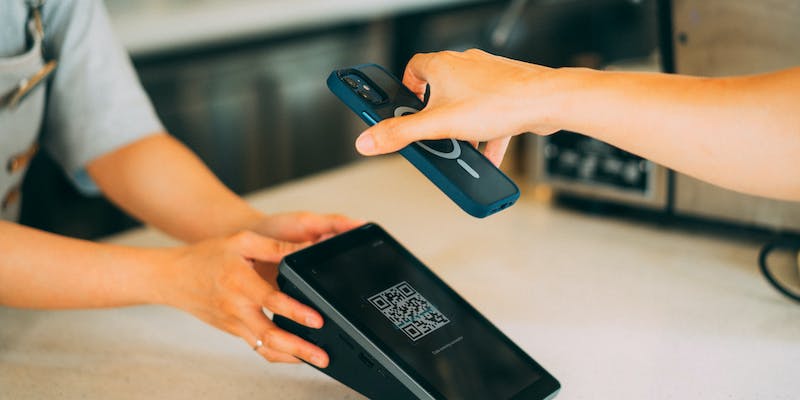
The financial services industry is undergoing a remarkable transformation driven by the rapid advancement of interoperability. This groundbreaking concept promises to redefine how we pay and get paid, offering seamless interactions between once disparate systems. In this article, we explore the various aspects of payment interoperability and its cascading benefits throughout the entire payment ecosystem.
Defining Payments Interoperability and Seamless Interactions
Payments interoperability serves as the framework that enables smooth interactions between previously disconnected systems. It allows for the seamless transfer of funds across different platforms, facilitating frictionless transactions for financial institutions, businesses, and consumers.
The Cascading Benefits of Interoperability
Interoperability brings about a host of benefits that ripple through the payments ecosystem. One such advantage is the normalization of consolidated platforms, where the merging of systems results in streamlined operations and improved efficiency. As a result, frictionless money movement becomes the new standard, allowing for faster, more secure, and more convenient transactions.
Regulatory advantages and data sharing capabilities
One of the critical advantages of interoperability lies in its data-sharing capabilities, which help ease regulatory burdens. By having integrated systems that can communicate and share information seamlessly, financial institutions can comply with regulatory requirements more effectively while reducing manual processes. This not only leads to cost savings but also enhances transparency and fraud detection.
Global Momentum for Interoperability
The momentum behind the adoption of interoperability is not confined to any particular region. Cross-border payments are on the cusp of achieving unprecedented flexibility as barriers to international trade and global commerce gradually disappear. Interoperability plays a vital role in enabling connectivity and facilitating the free movement of funds, ultimately promoting economic growth and development.
Interoperability and Financial Inclusion
Interoperability has the potential to be a fundamental driver of financial inclusion. By reducing localization requirements through seamless global connectivity, underserved and unbanked populations gain access to essential financial services. Mobile banking connections, facilitated by interoperability, unlock previously inaccessible opportunities, overcoming security concerns and technical infrastructure deficits.
Exploring Possibilities in Fintech and Payments
Fintech and payments industry leaders recognize the immense potential of interoperability and are actively exploring its possibilities. This includes expanding the availability of digital currency options, integrating with blockchain and decentralized finance, and driving personalization in financial services. By embracing interoperable systems, they aim to revolutionize the way we transact and manage our finances.
Choosing the Right Partner for International Payments and Transfers
As interoperability gains prominence, selecting a partner capable of navigating the complexities of international payments and transfers becomes crucial. Partnering with an experienced and reliable provider will ensure that businesses and individuals can fully realize the emerging benefits of interoperability over the next five years and beyond.
The rise of interoperability in financial services marks an exciting era of transformation. With seamless interactions between systems, the advantages cascade through the entire payments ecosystem. From consolidated platforms and frictionless money movement to regulatory ease and global connectivity, interoperability reshapes the way we conduct financial transactions. As we embrace this transformative power, financial inclusion becomes a reality, unlocking essential services for underserved populations. By actively exploring the possibilities within fintech and payments, we can further unlock the true potential of interoperability. However, it is vital to choose the right partner to navigate international payments and transfers effectively. In doing so, we can fully reap the benefits and shape a future where seamless interactions redefine the way we pay and get paid.