

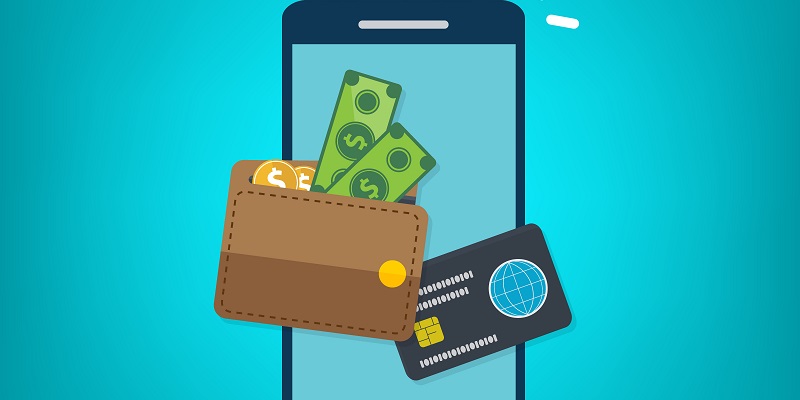
In this digital era, financial transactions have undergone a radical transformation with the emergence of electronic wallets, commonly known as e-wallets. These innovative payment apps, accessible through mobile devices, have revolutionized the way we handle money. With their convenience, security, and wide range of features, e-wallets have become increasingly popular around the globe.
E-wallets are essentially financial transaction apps that can be run through mobile devices. They act as virtual wallets, enabling users to store a small amount of money electronically. This digital format eliminates the need for physical currency or payment cards, making transactions quick, seamless, and hassle-free.
The benefits of e-wallets
One defining factor that sets e-wallets apart is their strong emphasis on security. Unlike traditional payment methods, such as cash or credit cards, e-wallets offer enhanced protection against fraudulent activities. With robust encryption and sophisticated security measures, they provide peace of mind to users.
By storing payment details securely in the digital realm, e-wallets mitigate the risk of fraud. Even if scammers attempt to steal the details, the funds in the user’s account remain untouched. This protection provides users with an added layer of security and minimizes the potential financial loss associated with traditional payment methods.
Another significant benefit of e-wallets is their ease of use. Opening an e-wallet account is a simple and straightforward process that requires minimal documentation. Moreover, e-wallets eliminate the burden of carrying physical payment cards, allowing users to make payments with just a few taps on their mobile devices.
The rise of contactless payments
The year 2020 witnessed a substantial surge in contactless payments, driven by consumers’ desire to reduce their reliance on cash amidst the COVID-19 pandemic. The demand for a convenient and hygienic payment method propelled the adoption of e-wallets, as they offer touch-free transactions and thus minimize physical contact.
Contactless payments provide a seamless and secure way to conduct financial transactions. Besides their hygienic aspect, e-wallets offer speed, efficiency, and transparency. Their popularity has been further accelerated by the growing awareness of the benefits they provide, encouraging consumers to embrace this modern payment solution.
The Future of Payment Options
Over the next five years, an exciting development in the payment industry will be the consolidation of payment options driven by consumer demands. With e-wallets leading the charge, traditional payment methods will gradually give way to streamlined and unified payment platforms. This consolidation will simplify the payment process and enhance the user experience.
As e-wallets become the preferred method of payment, industry leaders are working towards standardization to ensure interoperability and compatibility across platforms. This standardization will enable e-wallets to seamlessly integrate with various payment systems, financial institutions, and merchants, facilitating universal acceptance and usage.
Super e-wallets and personalized services
Super e-wallets, a more advanced version of traditional e-wallets, offer a wide range of payment services to users. They typically incorporate features such as bill payments, fund transfers, peer-to-peer transactions, and online shopping. These comprehensive platforms provide users with a unified and convenient financial hub.
Utilization of user data
Super e-wallets also collect vast amounts of customer data, which fintech companies leverage to provide personalized services. By understanding users’ spending patterns, preferences, and behavior, companies can tailor their offerings to suit individual needs. This data-driven approach enhances customer satisfaction and creates a more personalized and efficient financial experience.
E-Wallets and Financial Inclusion
E-wallets are increasingly being utilized as platforms for trading cryptocurrencies, broadening access to this emerging asset class. By facilitating cryptocurrency transactions, e-wallets play a vital role in expanding financial inclusion and enabling individuals to participate in the digital economy.
For many young people in Asia and other regions, virtual banking and e-wallets represent excitement, aspiration, and a gateway to living life more meaningfully. E-wallets empower individuals who were previously excluded from formal banking systems to access financial services conveniently and securely.
E-Wallets as symbols of aspiration
In Asian countries, especially among millennials and Gen Z, e-wallets have become highly trendy and aspirational symbols. These tech-savvy individuals embrace e-wallets as more than just a payment solution; they represent a lifestyle, a means to enhance convenience, and a status symbol.
Gateway to an Enhanced Lifestyle
E-wallets enable users to unlock various benefits, including discounts, cashback offers, loyalty rewards, and exclusive deals. These perks contribute to a more fulfilling lifestyle, attracting young consumers who prioritize experiences and seek value in their financial endeavors.
Growth potential of e-Wallets
According to a research report, the e-wallet and super app market is poised to grow exponentially. The conservative estimate values the market at US$1 trillion, with projections indicating a staggering increase to $7 trillion by 2027. This forecast underscores the immense potential of e-wallets and their transformative impact on the global payment landscape.
The projected market value of $7 trillion signifies the increasing adoption and acceptance of e-wallets worldwide. As more individuals and businesses embrace this payment method, the market will experience significant growth driven by changing consumer preferences and technological advancements.
The rise of e-wallets has ushered in a new era of payment convenience and security. With their user-friendly interfaces, robust security measures, and personalized features, e-wallets have become an indispensable part of our digital lives. As the adoption of e-wallets continues to accelerate and the industry evolves to meet consumer demands, we can expect these innovative payment solutions to reshape the future of finance, fostering financial inclusion and revolutionizing the way we transact.