

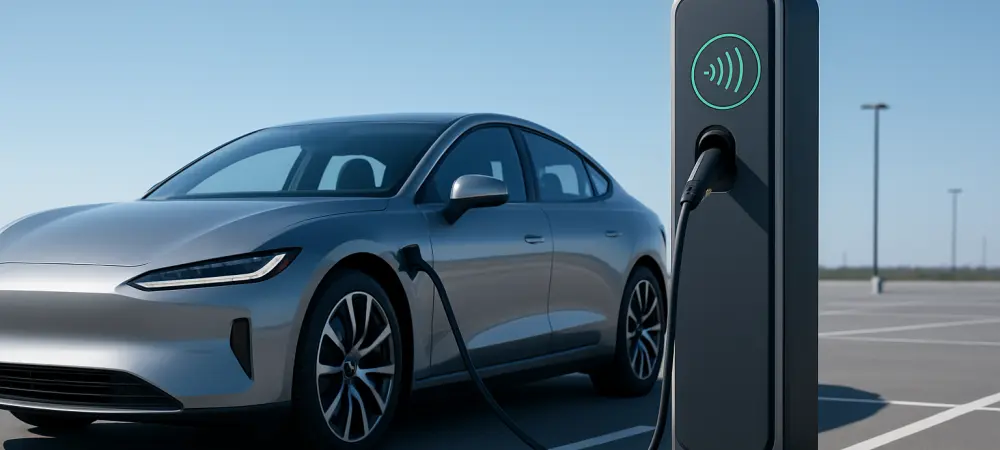
The primary catalyst for adopting contactless technology in the charging sector is the universal human preference for familiar and trusted financial interfaces. For years, the standard protocol for public EV charging was tethered to proprietary ecosystems that isolated drivers within specific networks. Drivers frequently encountered scenarios where starting a simple charging session required downloading a unique mobile application, creating an account, and verifying an email address before even connecting the cable. When a driver arrives at a station with a low battery at the end of a long day, these administrative hurdles represent a significant friction point that can discourage electric vehicle adoption. The industry is currently witnessing a fundamental reimagining of the refueling experience where the payment terminal is the central interface. By removing these mandatory digital gatekeepers, the sector is moving toward an open-loop system that prioritizes user accessibility over data collection.
Addressing the Problem of Transactional Friction
Consumer Psychology: The Power of Familiar Interfaces
Modern consumers have reached a point where digital wallets and contactless cards are no longer secondary options but the primary tools for daily commerce. Integrating Near Field Communication technology into charging hardware allows drivers to engage with the system using tools they already trust, such as Apple Pay, Google Pay, or RFID-enabled banking cards. This alignment with existing habits significantly reduces the cognitive load associated with using public infrastructure. Instead of troubleshooting a network-specific app, a driver simply taps their device and begins the session. This “ad-hoc” access is particularly vital for attracting the massive demographic of non-enthusiast drivers who view an electric vehicle as a utility rather than a technological hobby. When the payment process is invisible, the focus shifts back to the vehicle’s utility and the convenience of the journey itself, rather than the logistics of the transaction. Furthermore, the removal of the “registration wall” directly addresses the abandonment rates that have historically plagued public charging networks. In the past, potential users often left a station if the mobile application failed to load or if they were unwilling to share sensitive financial information with an unknown software provider. Contactless terminals provide an immediate solution by offering a guest-user experience that requires no long-term commitment or data sharing beyond the transaction itself. This shift is essential as the driver base expands from early adopters to everyday commuters and commercial fleet operators who require speed and reliability. By fostering a sense of immediate access and transparency, operators can capture a wider market share and improve overall satisfaction scores. The transition to open-loop payments serves as a psychological bridge, making the act of charging an electric vehicle as mundane and straightforward as buying a cup of coffee.
Security Standards: Building Trust through Established Protocols
Security perceptions are a critical component of the user experience, as many drivers remain wary of the security protocols used by smaller, niche charging startups. By utilizing established payment gateways that support contactless technology, charging point operators can leverage the multi-layered security and encryption of major banking institutions. This not only protects the consumer’s financial data but also reduces the liability for the operator, who no longer needs to store massive amounts of sensitive payment information on their own servers. Additionally, the operational efficiency gained from streamlined transactions is substantial. With fewer steps in the initiation process, the total time a vehicle occupies a charging bay for non-charging activities is minimized. This increased throughput is vital for high-traffic areas where charging demand often exceeds available supply. Standardizing the payment interface ensures that every user can operate the equipment safely.
Moreover, the reliability of dedicated payment hardware compared to mobile-only solutions cannot be overstated. Mobile apps are subject to signal strength issues, software bugs, and smartphone battery limitations, all of which can leave a driver stranded at a charger. In contrast, a robust physical terminal provides a consistent and dependable point of contact that functions independently of the user’s mobile device status. This hardware-centric approach is particularly beneficial in rural or underground parking environments where cellular connectivity might be unreliable. For the operator, having a physical terminal also simplifies the process of troubleshooting and maintenance, as payment failures can be diagnosed directly through the hardware diagnostics. By investing in resilient payment infrastructure, companies ensure that their service remains accessible under a variety of environmental and technical conditions. This reliability is the bedrock upon which public trust in the electric vehicle ecosystem is built.
Scaling Infrastructure for Global Mobility
Regional Expansion: Bridging Geographical Gaps
As charging networks expand into highway corridors and popular tourist destinations, the need for universal payment options becomes a logistical necessity. Travelers moving across state lines or visiting remote areas cannot be expected to navigate a new registration process for every unfamiliar brand they encounter. Contactless payment acts as a great equalizer in this fragmented market, providing a standardized layer of interoperability that allows any driver to use any charger, regardless of the network provider. This flexibility is particularly essential for retail and hospitality locations, such as hotels or shopping malls, that wish to offer charging as a convenience without forcing their customers into a digital membership. It also solves the problem of international travel, where regional app store restrictions or currency hurdles might prevent a driver from downloading local software. By allowing a simple tap-and-go interaction, operators ensure their hardware is accessible.
Furthermore, the integration of contactless systems supports the growing trend of workplace and fleet charging, where multiple drivers share the same infrastructure. In these environments, having a universal payment method simplifies the reimbursement process and allows for more accurate tracking of energy consumption without complex backend software. The ability to accept a wide range of payment methods, from corporate fuel cards to individual digital wallets, makes the charging site more attractive to commercial partners who value versatility. This regional and sector-wide expansion is transforming the way developers plan new installations, with many now viewing the payment terminal as a mandatory component rather than an optional add-on. As regulatory bodies begin to mandate open access and transparent pricing at public stations, those who have already adopted contactless solutions are finding themselves ahead of the curve. This proactive approach ensures that the infrastructure remains viable and compliant.
Technical Synchronization: Matching Charging and Payment Speeds
The arrival of ultra-fast DC charging has significantly reduced the time a vehicle stays tethered to a station, creating a new psychological expectation for efficiency. If the mechanical charging process takes only fifteen minutes to provide a substantial range boost, a five-minute administrative setup feels unacceptably long to the modern consumer. This imbalance between physical speed and digital friction is a challenge that contactless payments solve by reducing the transaction initiation time to mere seconds. As hardware speeds continue to increase, the demand for instantaneous payment methods grows in tandem to preserve the time-saving benefits of the high-power equipment. Charge point operators are increasingly adopting these solutions to maximize utilization and cater to a diverse demographic that includes everyone from long-haul truckers to occasional city visitors. By ensuring the digital interface is as fast as the electrical transfer, operators create a premium experience that encourages repeat usage. The transition toward universal contactless access was recognized as the definitive moment when electric mobility achieved parity with traditional fueling systems. Operators who successfully modernized their infrastructure found that transaction volumes increased as the administrative barriers to charging vanished. It was recommended that providers evaluate their payment hardware to ensure full NFC and RFID compatibility to avoid being left behind in an increasingly competitive market. Those who prioritized integration with versatile systems like Nayax benefited from more robust revenue streams and higher levels of customer satisfaction. Ultimately, the industry moved away from fragmented, app-based models because they no longer served the needs of a diverse and rapidly growing driver population. This evolution ensured that the charging experience was defined by ease and ubiquity, effectively removing the last psychological hurdles for new adopters. This shift marked the end of the proprietary era and established a truly connected global network.