

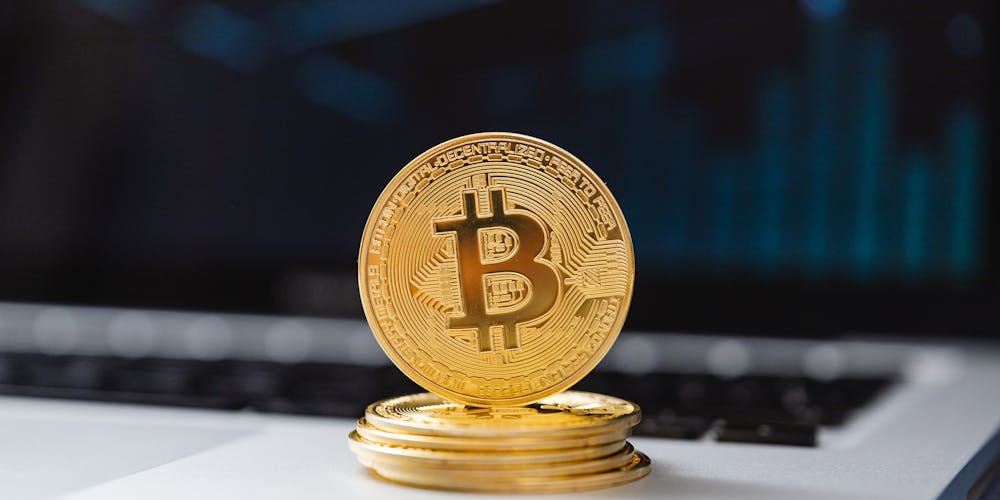
Cryptocurrencies, particularly Bitcoin, have swiftly evolved from an obscure concept into a prominent global phenomenon. Originating in the tech-savvy communities, cryptocurrencies now spearhead a digital financial revolution similar to a modern-day gold rush. This article delves into the psychological dimensions beneath the appeal of cryptocurrencies, exploring whether they symbolize a route to financial empowerment or pose potential mental health risks.
Positive Psychological Impacts
Financial Freedom and Empowerment
Cryptocurrencies have democratized the financial space, permitting individuals to circumvent traditional financial intermediaries such as banks and government institutions. This decentralization bestows users with complete control over their financial assets and investment choices. For many, this control translates into substantial profits and an enhanced sense of financial security, significantly boosting their self-esteem and confidence. Moreover, the ability to engage in the global economy without the usual barriers further reinforces this empowerment, fostering higher self-worth and a more robust financial self-image.
Investors derive a profound sense of satisfaction and accomplishment when they manage their financial portfolios independently. This autonomy supports the development of resilience, self-efficacy, and proactive wealth management strategies, even amid market volatility. The ability to make independent, well-researched financial decisions enables investors to feel more in control of their financial destinies, nurturing mental toughness and confidence. This sense of empowerment not only enhances financial well-being but also fosters a more positive overall mental health outlook. By navigating their own financial paths, investors can cultivate a more resilient mindset capable of withstanding the market’s inherent highs and lows.
Sense of Community and Belonging
Beyond individual financial gains, cryptocurrencies encompass vibrant online communities. These communities consist of members from diverse backgrounds who share trading strategies, market insights, and emotional support, creating an environment of camaraderie and collective purpose. Being part of such a supportive network reduces feelings of isolation and loneliness, promoting personal growth and well-being. This shared experience contributes to a sense of belonging that can buffer against the uncertainties and stresses associated with crypto investing.
Active participation in crypto communities also facilitates knowledge-sharing and collaborative problem-solving, offering invaluable resources for both novice and experienced investors. This collective learning environment fosters a sense of belonging, as members feel understood and supported in their financial journeys. The positive interactions within these communities can significantly alleviate stress and enhance overall mental health. These groups often organize meetups, webinars, and forums, which further strengthen community bonds and provide continual learning opportunities. Such interactions not only bolster financial acumen but also enrich personal and social lives, making the crypto journey more holistic and less isolative.
Negative Psychological Impacts
Fear of Missing Out (FOMO)
The rapid price fluctuations and incessant innovations in the cryptocurrency market can induce severe anxiety about missing lucrative opportunities, commonly referred to as FOMO. This fear can precipitate impulsive decision-making, heightened arousal, and disrupted sleep patterns owing to the constant stream of market information and updates. The relentless pressure to outperform peers can lead to excessive risk-taking, perpetuating a cycle of anxiety and stress. Investors often find themselves in a perpetual state of alertness, constantly scrutinizing market trends and fearing that any missed opportunity could result in significant financial loss.
This hyper-awareness can be mentally exhausting and disrupt normal routines, exacerbating stress levels. The constant fear of being left behind or making the wrong investment choice creates a taxing mental environment, fueling insomnia, irritability, and impaired cognitive function. Additionally, the continuous market monitoring can interfere with personal and professional responsibilities, leading to a decline in overall productivity and well-being. Such mental strain accumulates over time, making the investment experience not just financially risky but also mentally taxing. To mitigate FOMO’s harmful effects, strategies such as setting predefined investment goals, taking regular breaks from market watching, and focusing on long-term investment perspectives can be employed.
Financial Stress and Depression
While cryptocurrencies offer the allure of substantial financial gains, their volatile nature can result in significant financial losses, inducing considerable financial stress. The emotional burden of losing hard-earned money can manifest in various symptoms such as sleepless nights, anxiety, and loss of appetite, gradually leading to depression and a diminished quality of life. To mitigate these risks, adopting a realistic investment strategy, diversifying portfolios, and setting achievable financial goals are essential.
The psychological distress linked to financial losses can permeate all aspects of an individual’s life, affecting personal relationships and overall mental well-being. Developing coping mechanisms and resilience are crucial for navigating the unpredictable nature of the cryptocurrency market. Understanding the potential for loss and approaching investments with a balanced perspective can help maintain emotional stability and financial health. Investors can benefit from seeking advice from financial advisors and participating in stress-reducing activities such as mindfulness and physical exercise. By maintaining a balanced approach, they can protect their mental health while pursuing financial opportunities.
Addiction and Compulsive Behaviors
The dynamic and fast-paced nature of the cryptocurrency market can foster addictive behaviors, blurring the boundary between keen investing and compulsion. The allure of rapid gains entices investors to spend excessive time tracking market movements, often at the expense of personal relationships and responsibilities. Indicators of crypto addiction include compulsive chart-monitoring, neglect of social and familial obligations, and an inability to detach from market activities. Recognizing these signs and seeking professional help is vital to prevent the adverse effects of addiction on both mental and financial health.
Over time, obsessive engagement with cryptocurrencies can result in burnout and emotional exhaustion. This addiction can create a cyclical pattern of intense involvement followed by periods of withdrawal, which severely impacts mental health. By setting boundaries and maintaining a healthy balance between personal life and investment activities, individuals can safeguard their well-being and foster sustainable financial habits. Establishing clear investment routines, such as designated trading hours and regular breaks, can mitigate the tendencies toward compulsivity. Additionally, seeking support from mental health professionals or joining support groups for addiction can provide necessary guidance and assistance in managing these behaviors.
Social Isolation and Loneliness
Cryptocurrencies, with Bitcoin leading the charge, have rapidly transformed from a niche idea into a widespread global sensation. What started in tech-focused circles now drives a digital financial revolution akin to a modern-day gold rush. This shift has captured the public’s imagination, making headlines and attracting a diverse group of investors, from seasoned traders to curious newcomers.
This article explores the psychological factors driving the allure of cryptocurrencies. Are they viewed as a pathway to financial freedom and empowerment, or could they harbor potential mental health risks? The fervor surrounding cryptocurrencies often taps into deep-seated desires for quick wealth and financial independence. For some, the volatile nature of these digital assets offers a thrilling challenge, akin to high-stakes gambling.
Yet, this excitement can also lead to anxiety, stress, and obsessive behaviors, particularly when market values plummet. The promise of immense profits can cause individuals to invest more than they can afford to lose, leading to financial strain and emotional distress. As we delve deeper into this topic, it’s crucial to understand both the empowering and potentially harmful aspects of the cryptocurrency craze. Balancing the dream of financial liberation with the reality of market volatility is essential for mental and financial well-being.