

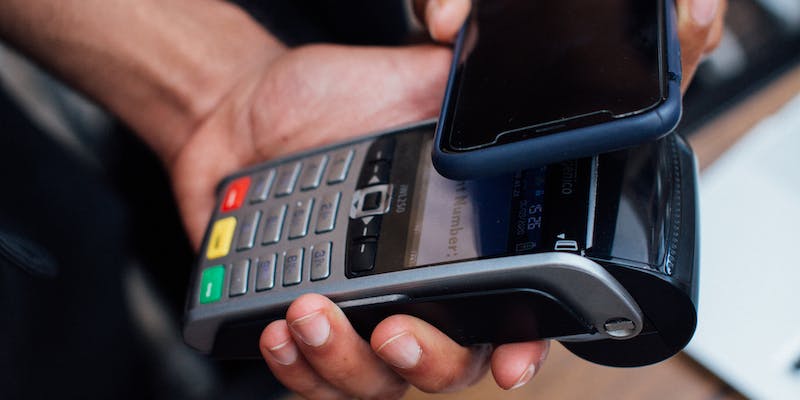
In today’s fast-paced world, the demand for efficient and secure data capture methods has escalated dramatically, paving the way for the widespread adoption of contactless scanners. Leveraging advanced technologies, contactless scanners have revolutionized data capture by eliminating the need for physical contact. This article delves into the thriving Contactless Scanner Market, exploring its growth drivers, competitive landscape, regional trends, and its significant impact across various industries.
Introduction
The Contactless Scanner Market is experiencing remarkable growth, driven by the need for streamlined data capture processes across industries. These scanners utilize cutting-edge technology to capture data without physical contact, offering enhanced convenience and security.
Traditional data capture methods often involve arduous and time-consuming processes. Contactless scanners offer a solution to these challenges by enabling quick and seamless data capture without the need for physical contact.
Increasing Adoption of Contactless Scanners
Contactless scanning employs a variety of mechanisms such as radio frequency identification (RFID), near field communication (NFC), and barcode scanning to capture data without physical contact. These technologies have gained popularity due to their speed, accuracy, and ease of use.
Contactless scanners are finding widespread adoption across numerous industries. The financial and retail sectors, in particular, have embraced contactless payment systems, further propelling the demand for contactless scanners. Additionally, healthcare facilities are utilizing these scanners for patient data management, enhancing efficiency and reducing the risk of cross-contamination.
Factors Driving the Growth of the Contactless Scanner Market
Contactless scanners are witnessing a surge in demand due to their ability to ensure seamless and secure data capture. With a growing emphasis on user experience and data protection, businesses are actively seeking ways to make transactions more efficient and secure.
The COVID-19 pandemic has amplified the importance of contactless technology in various sectors. The retail and financial industries have witnessed a substantial shift towards contactless payment systems to minimize physical contact and facilitate safer transactions. This has significantly contributed to the rising demand for contactless scanners.
Competitiveness in the Contactless Scanner Market
The Contactless Scanner Market is characterized by fierce competition among key players. In an attempt to cater to evolving customer needs, these market leaders are constantly innovating to develop advanced contactless scanning solutions. Continual advancements in areas such as scanning speed, accuracy, data encryption, and integration capabilities have become crucial differentiators to gain a competitive edge.
As customer expectations evolve, contactless scanners are adapting to accommodate emerging trends. These scanners are increasingly incorporating features like wireless connectivity, real-time data syncing, compatibility with mobile devices, and seamless integration with existing systems. By addressing these needs, the market is anticipated to experience sustained growth.
Regional Analysis
North America currently holds a dominant position in the contactless scanner market. The region’s robust adoption of contactless scanners can be attributed to their significant presence in the healthcare, retail, and finance sectors. The demand for streamlined and secure data capture methods has fueled the growth of this market segment.
The Asia-Pacific region is witnessing rapid growth in the Contactless Scanner Market, largely influenced by the expanding retail and financial sectors. The adoption of contactless payment systems, coupled with the rising emphasis on data protection, has spurred the demand for contactless scanners in this region as well.
Emphasis on Data Security
In an era where data breaches and cyber threats are rampant, businesses across industries are prioritizing data security. Contactless scanning solutions offer improved data encryption, reducing the risk of data theft or unauthorized access. The heightened emphasis on safeguarding sensitive information has significantly driven the adoption of contactless scanners.
Contactless Scanners in the Healthcare Sector
The healthcare sector has embraced contactless scanners as a means of streamlining patient data management. These scanners facilitate the efficient capture and storage of patient information, enhancing the productivity of medical professionals while reducing physical contact and the risk of cross-contamination.
Growth Prospects in the Contactless Scanner Market
The continuous innovations in contactless payment systems have opened up substantial growth prospects for the contactless scanner market. Integrations such as mobile wallets and cryptocurrency compatibility have enhanced the convenience and security of transactions, further boosting the demand for contactless scanners.
The evolution of mobile payment technologies and the rising popularity of cryptocurrencies have paved the way for new opportunities in the Contactless Scanner Market. Contactless scanners have become indispensable tools to facilitate mobile wallet transactions and the integration of cryptocurrencies into various industries.
The Contactless Scanner Market is witnessing significant growth with increasing adoption across several industries. The demand for seamless and secure data capture methods, driven by the adoption of contactless payment systems and hygiene concerns, has fueled this growth. As key players compete through innovation and focus on meeting evolving customer needs, the market’s potential for further expansion remains promising.
As businesses continue to recognize the advantages of contactless scanning, the market will continue to evolve, creating opportunities for technological advancements and novel applications. The contactless scanner market is set to play a pivotal role in shaping the future of secure and efficient data capture across industries.