

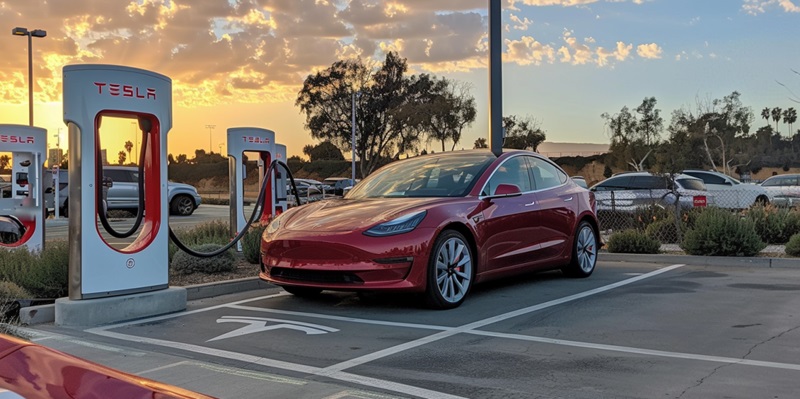
Tesla, the electric vehicle powerhouse, has taken a bold step into the cryptocurrency sphere. With Dogecoin now accepted for certain merchandise purchases, the move has sent ripples through the market, pushing the DOGE value skywards. This strategic embrace of digital currency showcases Tesla’s innovative attitude and solidifies cryptocurrencies’ position in mainstream commerce.
The Dogecoin Effect on Tesla Merchandise Sales
The Surge of DOGE and Tesla’s Crypto Strategy
Tesla’s integration of Dogecoin for merchandise payment sparked an instant reaction in the crypto market, with DOGE’s value climbing by an impressive 20%. Clearly, the Tesla effect, powered by Elon Musk’s enthusiasm for the meme-based currency, has not diminished. Musk’s influence on the financial trajectory of cryptocurrencies remains as potent as ever. The tech mogul’s tweets can stir a frenetic rush in the market, revealing the interconnectedness of social influence and economic dynamics in the digital age.
The company’s decision to accept only DOGE and not other cryptocurrencies is a calculated move. Tesla stresses the importance of ensuring that payments be made exclusively with Dogecoin. The specificity of this directive aims to prevent transactional errors and secure the purchasing process. As this is a foray into cryptocurrency transactions for tangible goods, Tesla is treading carefully, setting clear protocols for DOGE use. This cautious approach hints at a broader strategy for a potential future where cryptocurrency could play a larger role in Tesla’s ecosystem.
Customer Responsiveness and Market Dynamics
Tesla’s adoption of Dogecoin has evidently been met with gusto by the market. The immediate surge reflected the cryptocurrency community’s readiness to support mainstream corporate integrations. Fans and investors alike showed their approval through increased DOGE trading volume and heightened interest in futures, a testament to the ongoing push for crypto in everyday transactions. This reaction highlights the growing trend of consumer willingness to engage with and support brands that align with their technological preferences.
The implications of Tesla’s move stretch beyond an isolated spike in Dogecoin’s value; they suggest a foundational shift toward digital currency adoption. Tesla, a bellwether of innovation and market trends, may not only be setting a precedent for others to follow but also validating the use of cryptocurrencies for real-world transactions. By bringing Dogecoin to its merchandise transactions, Tesla is dipping its toes into what could be a crypto-normalized future, sending a signal to other industry leaders about the potential and practicality of cryptocurrency in retail.
Navigating the Cryptocurrency Payment Terrain
Tesla’s Terms and Cryptocurrency Volatility
Tesla’s stipulations for Dogecoin transactions carry significant weight. Customers can’t cancel their DOGE purchases, and the no-returns policy for such transactions adds a layer of finality uncommon in the retail world. These conditions reflect the inherent volatility and speculative nature of cryptocurrencies. The company aims to mitigate potential losses from value fluctuations between the time of purchase and the moment of transaction completion. It is a reminder that, while innovative, crypto transactions are not without their unique set of risks and considerations.
Furthermore, the non-acceptance of multiple wallets for single orders seeks to minimize the complexity and potential security issues that can arise when consolidating funds from various sources. Tesla’s clear and stringent guidelines serve as a template for how businesses may approach the incorporation of cryptocurrencies into their sales models. The structure of Tesla’s crypto dealings is indicative of the care that must be taken when navigating the still choppy waters of digital currency in commerce.
Future Trends and Industry Implications
Tesla, a frontrunner in the electric vehicle domain, has ventured into the cryptocurrency arena by accepting Dogecoin as a payment option for select merchandise. This integration of a digital currency mode of payment underlines Tesla’s commitment to innovation and illustrates the company’s continued pursuit of market disruption. The announcement has had a substantial impact on the cryptocurrency market, propelling the value of Dogecoin upward. Tesla’s decision is indicative of an increasing trend where cryptocurrencies are gaining a foothold in regular business transactions. By endorsing Dogecoin, Tesla not only champions the broader digital currency movement but also confirms the growing acceptance of such currencies in everyday commerce. This confluence of cutting-edge automotive technology with an emerging financial system highlights Tesla’s position at the vanguard of both sectors, further merging the worlds of technology, finance, and mobility.