

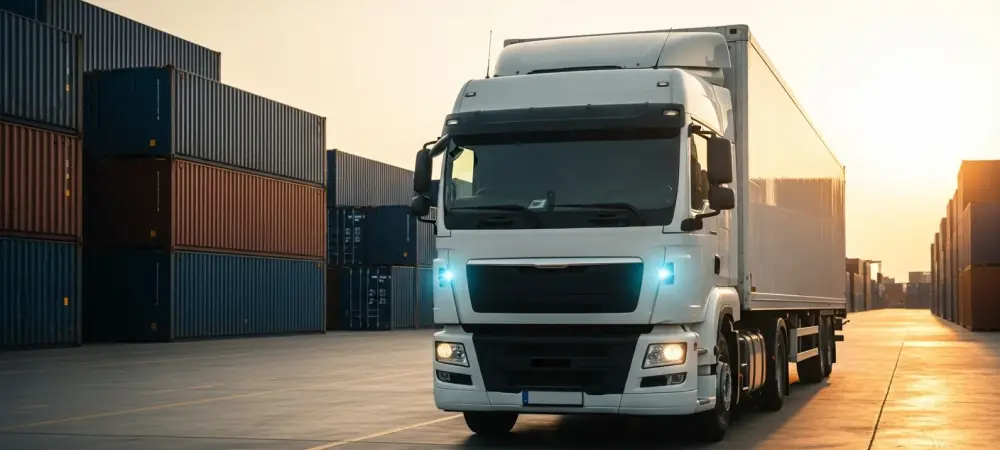
The modern logistics landscape is undergoing a radical shift where the traditional act of insuring a vehicle is no longer a static financial safeguard but a dynamic, data-driven partnership. While conventional policies rely on historical averages and broad demographic data, telematics-driven insurance leverages real-time informatics to transform how heavy goods vehicles (HGVs) interact with risk. This technological evolution represents a move away from reactive “break-fix” insurance models toward a proactive ecosystem where every mile driven generates a feedback loop intended to enhance safety and operational efficiency.
Introduction to Telematics in Commercial Insurance
Telematics serves as the technical bridge between telecommunications and informatics, creating a continuous stream of data from moving assets back to central servers. In the commercial sector, this shift signifies a move from annual premium assessments to daily risk management. By integrating Internet of Things (IoT) sensors directly into fleet hardware, insurers can now observe the specific nuances of a vehicle’s journey, rather than relying on generalized regional risk profiles.
This shift is crucial because it addresses the inherent volatility of the haulage industry. When insurance providers use real-time data, they move beyond the limitations of human error in self-reporting. Instead of waiting for an accident to occur to evaluate a fleet’s quality, the technology allows for a preemptive understanding of a driver’s habits, providing a level of transparency that was previously impossible.
Core Components and Risk Management Tools
The Digital Fleet Portal and Real-Time Monitoring
At the heart of modern telematics is the digital dashboard, such as the Flock Portal, which aggregates complex sensor data into actionable insights. These platforms allow fleet managers to oversee their entire vehicle inventory through a single pane of glass, identifying which trucks are active and which are underperforming. This level of visibility is not merely about tracking location; it is about streamlining administrative burdens and reducing the downtime that often plagues large-scale logistics operations.
Immediate oversight allows managers to transition from retrospective monthly reports to active daily interventions. When a fleet manager can see a spike in idling time or unauthorized route deviations, they can address the root cause instantly. This immediacy creates a leaner operational model, where the digital portal acts as an automated co-pilot, ensuring that every asset is utilized to its maximum potential while minimizing unnecessary exposure to risk.
Driver Behavior Analytics and Performance Incentives
The technical sophistication of telematics hardware allows for the granular tracking of specific mechanical stresses, such as harsh braking, rapid acceleration, and aggressive cornering. These metrics serve as a proxy for driver fatigue or distraction, providing a factual basis for safety coaching. Unlike traditional systems that treat all drivers equally, these analytics differentiate between high-risk operators and those who prioritize road safety.
Financial incentives, such as the “Safe Driving Rebate,” bridge the gap between technical data and human behavior. By offering a direct path to lower premiums based on performance, these models turn safety into a measurable financial asset. This creates a self-reinforcing culture where drivers are motivated to improve their metrics, leading to a demonstrable reduction in claims frequency and a more sustainable cost structure for the carrier.
Recent Developments in InsurTech Partnerships
The collaboration between InsurTech disruptors and established giants like Admiral highlights a significant consolidation within the industry. By combining the agile, data-centric methodologies of tech firms with the deep capital reserves and underwriting experience of traditional insurers, these partnerships create a hybrid model that is both innovative and stable. This synergy is particularly vital for the haulage sector, where the sheer scale of liability requires significant financial backing. Embedded insurance is the logical conclusion of this trend, where the technology and the policy are inseparable. In this environment, the insurance is not a separate product bought through a broker but a feature of the vehicle’s operating system. This integration simplifies the user interface for fleet operators, allowing them to manage their coverage and their telemetry in one place, effectively removing the friction that once hindered the adoption of high-tech risk solutions.
Real-World Applications Across the Logistics Sector
In the haulage industry, the deployment of telematics is proving essential for managing the complexities of HGV fleets. Beyond the heavy haulers, courier, taxi, and rental sectors are also adopting these tools to navigate the rising costs of fuel and labor. These applications show that regardless of the vehicle type, the ability to interpret risk data leads to more precise underwriting and more competitive pricing for well-managed companies.
Dedicated risk management teams now play a pivotal role in interpreting this influx of data. These professionals act as consultants, translating raw numbers into tailored coaching programs for drivers. This human element ensures that the technology does not just monitor drivers but actually empowers them to perform better. Case studies consistently show that fleets employing these data-backed coaching strategies see a marked improvement in overall road safety.
Challenges and Barriers to Implementation
Despite the clear benefits, technical hurdles remain, particularly regarding the standardization of hardware across diverse vehicle makes and models. Integrating a legacy truck from one manufacturer with a cutting-edge sensor suite from another can lead to data fragmentation. Furthermore, the accuracy of the data is paramount; false positives in driver behavior alerts can lead to unnecessary friction between management and staff, potentially damaging workplace morale.
Regulatory and privacy concerns also present a significant obstacle. The constant monitoring of professional drivers raises questions about surveillance and labor rights. Additionally, the initial setup costs for a comprehensive telematics system can be a deterrent for smaller operators. When profit margins are already under pressure from global economic shifts, the capital expenditure required for high-end informatics often feels like a luxury rather than a necessity.
Future Outlook for Connected Fleet Insurance
The trajectory of this technology points toward a future dominated by predictive modeling and AI-driven accident prevention. Instead of simply reporting a hard braking event, future systems will likely predict the likelihood of an accident before it occurs, using environmental data and historical patterns to alert drivers to potential hazards. This shift from monitoring to active prevention will redefine the very concept of “coverage” in the commercial world.
We are also moving toward a reality where claims processing is fully automated. By using impact data and telemetry from the moment of a collision, insurers can verify the details of an incident without the need for lengthy manual investigations. This will lead to a standard “pay-how-you-drive” model across the industry, where insurance costs fluctuate as naturally as fuel prices, reflecting the actual risk present on the road at any given moment.
Summary of the Telematics Evolution
The transition from basic data collection to sophisticated, actionable risk mitigation marked a turning point for the global logistics market. The partnership between technology firms and traditional underwriters proved that road safety could be incentivized through financial rewards and real-time feedback loops. These systems moved the industry away from the opacity of traditional insurance, providing operators with the transparency needed to lower repair costs and protect their most valuable assets: their drivers.
Looking ahead, the long-term viability of these solutions rested on their ability to integrate seamlessly into daily operations. As the technology matured, it became clear that telematics was not just a tool for monitoring behavior, but a foundational element of economic resilience for haulage firms. The evolution of these digital platforms ultimately fostered a safer, more efficient transportation network, proving that data-driven insights are the most effective way to navigate the complexities of modern commercial transit.