

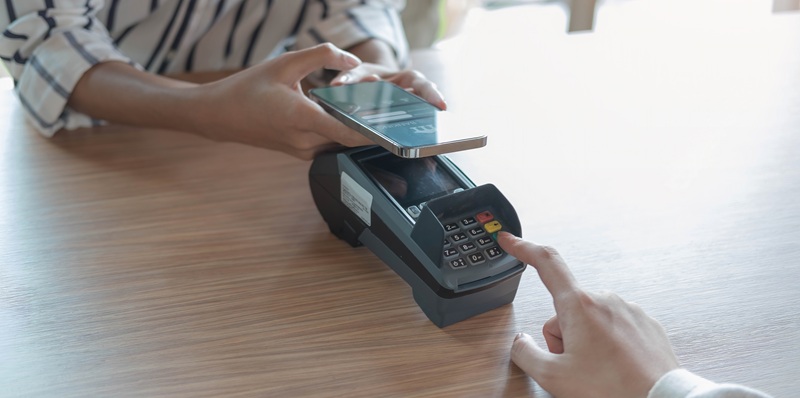
Tap-to-phone technology is redefining the landscape of mobile payments, transforming smartphones into versatile payment terminals. This technology leverages the contactless payment chips ubiquitous in modern smartphones to enable not just payments, but also the receipt of payments, enhancing convenience and efficiency across numerous sectors. As global reliance on digital payments increases, the integration of this technology promises to streamline transactions and optimize operational workflows.
Expanding Mobile Payment Possibilities
Enhancing In-Flight Transactions
Delta Airlines provides a compelling case study in the application of tap-to-phone technology. By integrating this technology into the iPhones of flight attendants, Delta has streamlined in-flight purchases. Previously reliant on separate payment terminals, flight attendants can now manage transactions with ease using a single device. This shift not only simplifies the payment process but also reduces the burden of carrying multiple pieces of equipment. Each device is directly tied to an employee, bolstering accountability and operational efficiency.
Airline staff benefit from this integration by experiencing a more seamless workflow, and passengers enjoy quicker service. This technological advancement demonstrates how tap-to-phone can eliminate logistical hassles and improve service quality within the travel industry. Moreover, the streamlined process mitigates errors and enhances the overall customer experience. The single-device capability allows for more intuitive interactions, without the need to navigate multiple pieces of hardware. Consequently, the adoption of such technology signifies a crucial step in modernizing the airline service industry.
Retail and Home Improvement Stores
In retail environments, such as in Lowe’s and Home Depot, tap-to-phone technology offers significant benefits. Employees already use devices for inventory management and customer assistance. By adding payment functionalities to these devices, stores can eliminate the need for separate payment terminals. This integration simplifies the shopping experience for customers, particularly during high-value transactions, making the purchasing process smoother and faster.
The ability to complete both inventory tasks and transactions on a single device increases operational efficiency and enhances customer service. As retail environments strive for greater productivity and customer satisfaction, the application of tap-to-phone technology can be a substantial advantage. Store employees can address multiple customer needs without the disruption of switching between devices, which optimizes workflow and reduces downtime. Additionally, customers appreciate the streamlined experience, which contributes to higher satisfaction and loyalty. In this manner, tap-to-phone technology promises improved operations within the retail sector.
Streamlining Everyday Transactions
Fast-Food Industry Optimization
Busy fast-food locations often face challenges with congested drive-thru lines. Employees typically use tablets for order-taking, but separate devices for payments create bottlenecks. Incorporating tap-to-phone technology could streamline this process, allowing employees to manage orders and payments on a single device. This change can significantly speed up service times, reduce wait times for customers, and enhance overall drive-thru efficiency.
In addition to improving the drive-thru experience, this technology can optimize in-store transactions. By enabling staff to handle payments with their existing devices, fast-food restaurants can offer a more cohesive and responsive service, adapting quickly to customer needs. The streamlined approach not only speeds up the entire transaction process but also reduces the chances of error, thus increasing customer satisfaction. The ability to handle everything from order taking to payment on one device facilitates a seamless and smooth service experience for both the staff and the patrons.
Simplifying Peer-to-Peer Payments
Peer-to-peer (P2P) payment platforms like Venmo and Cash App could also benefit from tap-to-phone functionality. Currently, P2P payments involve both parties using separate phones to send and receive money. With tap-to-phone, recipients can simply open their P2P app, and senders can tap their NFC-enabled cards on the recipient’s phone. This method simplifies and speeds up the transaction process for both parties.
The incorporation of tap-to-phone in P2P platforms could redefine how we handle everyday financial exchanges, making them more fluid and user-friendly. This advancement underscores the technology’s potential to enhance convenience in personal finance management. By reducing the need for multiple devices and providing a straightforward transaction mechanism, tap-to-phone technology promotes a more streamlined and efficient exchange of money among individuals. As the demand for quick and easy financial transactions grows, the adoption of such technology in P2P platforms is poised to become increasingly prevalent.
Revolutionary Changes in E-Commerce
Digital Wallet Integration
Tap-to-phone technology has the potential to revolutionize the e-commerce landscape. Digital wallets already streamline the online shopping experience by validating customers without cumbersome steps. Implementing tap-to-phone as a payment method could further shorten the payment process. Much like two-factor authentication, where a customer taps their card on their phone to confirm a transaction, this addition can eliminate the need for one-time passcodes while maintaining security standards.
This functionality offers a straightforward and secure alternative, potentially increasing consumer confidence in digital transactions. As e-commerce platforms aim to offer smoother checkout experiences, the adoption of tap-to-phone technology could become a game-changer. E-commerce merchants can provide a more secure and seamless payment experience, thereby minimizing the risk of cart abandonment. Additionally, the integration of tap-to-phone technology aligns with the growing consumer preference for quick, efficient, and secure payment solutions in the digital marketplace.
Gig and Creator Economy Benefits
For small-scale merchants in the gig and creator economies, traditional merchant bank accounts often entail expensive, complex compliance procedures. Tap-to-phone technology provides a more accessible solution by allowing card acceptance capabilities to be attached to personal accounts with reasonable monthly limits. This approach significantly simplifies the process for artists and individual vendors who might otherwise be deterred by the barriers of traditional banking systems.
The combination of lower costs and simplified compliance checks makes this technology particularly advantageous for micro-entrepreneurs. By facilitating uncomplicated transaction handling, tap-to-phone can empower small business operations and foster growth within these sectors. For artists selling their work at local markets or creators monetizing their content through various channels, the technology offers a practical and cost-effective solution. The diminished need for a separate business infrastructure encourages more individuals to pursue entrepreneurial endeavors without the fear of daunting financial and administrative requirements.
Overcoming Adoption Hurdles
Apple’s Role and Broader Accessibility
Tap-to-phone technology is revolutionizing the way we handle mobile payments, turning smartphones into multifunctional payment terminals. This innovation uses the contactless payment chips found in modern smartphones to facilitate not only the execution of payments but also the acceptance of them. This shift greatly boosts convenience and efficiency in various industries, from retail to services.
As the world increasingly depends on digital transactions, the adoption of tap-to-phone technology is set to simplify processes and improve workflow management. Businesses of all sizes can benefit from this technology, reducing the need for traditional point-of-sale systems and enabling transactions to happen anywhere, anytime. By integrating such technology, companies can minimize operational costs and maximize customer satisfaction through faster, more secure payments. Additionally, this technology provides a significant advantage for small businesses and freelancers, offering a flexible and affordable way to accept payments without extensive infrastructure. In the evolving landscape of global commerce, tap-to-phone stands out as a game-changer, making transactions more seamless than ever.