

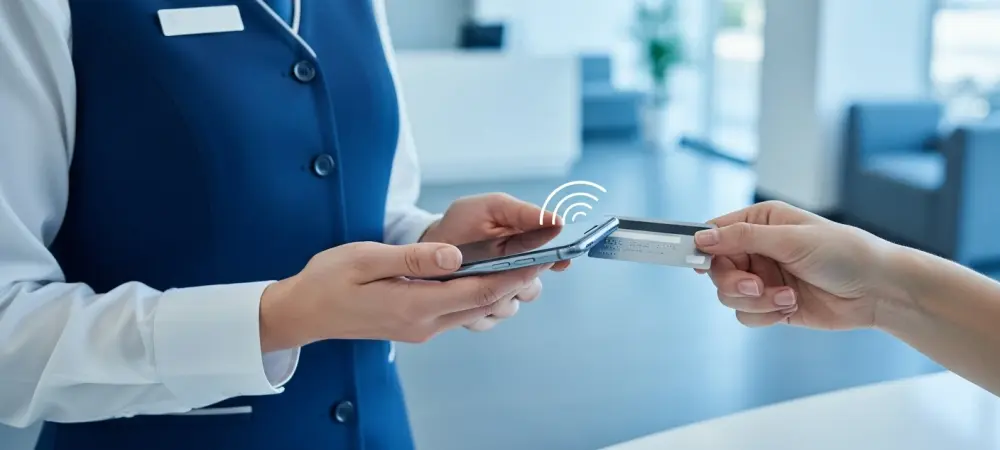
The transition from bulky, tethered hardware to seamless software-based transactions has fundamentally altered the landscape of modern retail and financial accessibility. This evolution marks a shift from traditional, hardware-dependent credit card terminals to agile, software-centric solutions that reside directly on a smartphone. By leveraging the core principles of Near Field Communication, these systems enable secure, contactless interactions between devices without the need for specialized peripherals. Apple’s ecosystem played a pivotal role in mainstreaming this “SoftPOS” technology, particularly by making it an accessible tool for small and medium-sized enterprises that previously struggled with the overhead of traditional banking infrastructure.
Key Features and Technical Framework
Hardware-Free Payment Processing
The most striking aspect of this technology is the total elimination of external card readers or proprietary hardware. By turning the device itself into a terminal, the system removes the initial cost barriers that often prevent micro-merchants from accepting digital payments. Compatibility requires an iPhone XS or a later model running the most recent iOS updates, ensuring that the hardware possesses the necessary processing power and security architecture. This mobility is indispensable for merchants who operate outside of traditional brick-and-mortar environments, such as street vendors or mobile service providers.
The Clip App Integration and User Experience
Integration through platforms like the Clip app simplifies the transaction into a streamlined four-step process. A merchant enters the amount, selects the Tap to Pay option, facilitates the physical tap from the customer, and receives an immediate confirmation. Furthermore, the functionality of digital receipts sent via SMS or email significantly reduces paper waste while improving record-keeping for both parties. Performance metrics indicate that transaction speeds are remarkably high, with the interface remaining responsive even during peak hours of operation within third-party applications.
Emerging Trends in Contactless Commerce
Consumer behavior has shifted rapidly toward digital wallets like Apple Pay and contactless debit or credit cards. The democratization of payment technology is actively empowering independent contractors and local artisans. Regional market leaders, such as Clip in Mexico, have been instrumental in driving this adoption. By providing mobile-first financial tools, these platforms have allowed smaller players to compete on a level playing field with larger established corporations.
Real-World Applications and Sector Impact
High-mobility businesses, including delivery services and pop-up shops, have seen the most immediate benefits from this technology. In professional services, traditional invoicing is being replaced by immediate, on-site payment collection, which drastically improves cash flow. Moreover, this implementation has had a profound impact on cash-heavy economies. By bridging the gap for unbanked or underbanked populations, software-based POS systems provide a gateway into the formal financial system that was previously inaccessible.
Security Protocols and Adoption Challenges
Apple’s built-in security features ensure that sensitive card numbers and transaction data are never stored on the device or Apple servers. This encryption-heavy approach mitigates the risk of data breaches that often plague older hardware systems. However, technical hurdles remain, such as high battery consumption during periods of high-volume sales and the absolute requirement for consistent internet connectivity. Merchant skepticism regarding software security also persists among older demographics, presenting a learning curve that requires ongoing education and support.
Future Outlook and Technological Trajectory
Breakthroughs in biometric authentication will likely further secure high-value contactless transactions in the coming years. As the physical POS terminal industry faces long-term disruption, Tap to Pay is positioned to become the global standard for retail interactions. Future integrations with inventory management and advanced data analytics will eventually provide merchants with deeper business insights. This trajectory suggests that the smartphone will evolve from a simple communication tool into a comprehensive business command center.
Final Assessment of Tap to Pay on iPhone
The review confirmed that the technology offered an unparalleled combination of ease, cost-effectiveness, and robust security. It functioned as a primary driver for the digital transformation of global commerce by removing the friction inherent in traditional payment processing. The system proved to be a significant catalyst for economic development, as it allowed merchants to join the digital economy with minimal investment. Ultimately, the shift toward software-based terminals represented a permanent change in how value was exchanged in a mobile-first world.