

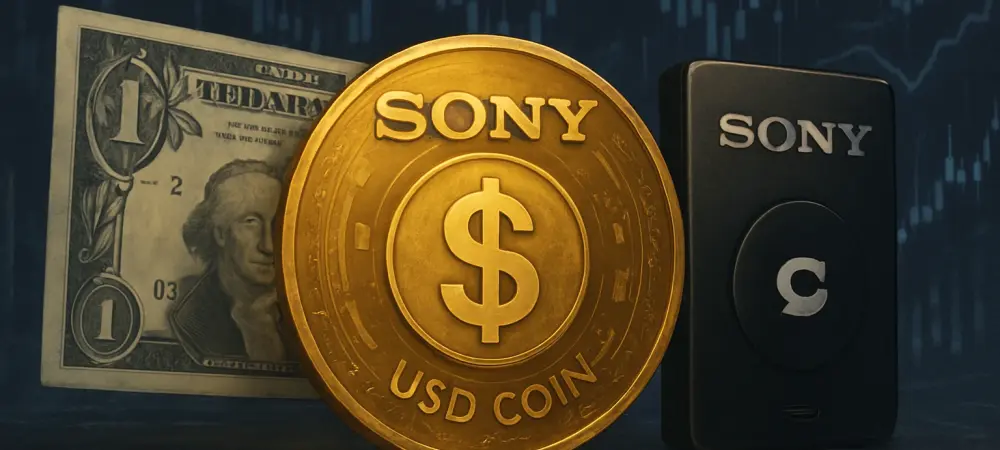
In the rapidly evolving world of fintech and digital currencies, few names stand out as prominently as Nicholas Braiden. An early adopter of blockchain technology, Nicholas has spent years championing the transformative power of financial technology, particularly in digital payments and lending systems. His expertise has guided numerous startups in leveraging cutting-edge solutions to drive innovation, making him the perfect person to unpack Sony’s ambitious plan to launch a U.S. dollar-backed stablecoin by 2026. In this engaging conversation, we explore how this move could redefine Sony’s gaming and entertainment ecosystem, the financial implications of sidestepping traditional transaction fees, the integration with their broader digital asset strategies, the regulatory hurdles they might face, and the challenges of user adoption in a competitive market.
How do you see Sony’s upcoming stablecoin launch reshaping their gaming and entertainment ecosystem, particularly for things like in-game purchases or subscriptions? Can you walk us through what the user experience might look like?
I’m really excited about what Sony is cooking up here. Their stablecoin, backed by the U.S. dollar and set to roll out by 2026, could be a game-changer for their ecosystem—think PlayStation games, streaming services, and even anime platforms. Imagine a gamer in the U.S. firing up their console, heading to the PlayStation Store, and instead of pulling out a credit card, they seamlessly use Sony’s stablecoin from a linked digital wallet. The purchase of a new game or a monthly subscription happens instantly with no volatility worries, and the transaction fee is a fraction of what they’d pay otherwise. Behind the scenes, this could streamline micropayments for in-game skins or DLC, making the whole process feel as smooth as a well-designed game level. I’ve seen similar efforts in smaller-scale projects where user retention spiked by nearly 15% because friction in payments dropped dramatically—it felt like removing a pesky loading screen from the buying experience. Sony has a chance to build loyalty by making spending feel effortless, especially for their younger, tech-savvy audience who already live in digital ecosystems.
What kind of financial impact do you anticipate for Sony’s bottom line with this stablecoin, especially since they’re targeting reduced credit card fees with a third of their revenue coming from the U.S.? Can you break down potential cost savings or comparisons?
The financial upside for Sony could be massive, especially when you consider the sheer volume of transactions they process. With roughly a third of their global revenue coming from the U.S., cutting down on credit card fees—which often hover around 2-3% per transaction—could save them millions annually. If we look at the broader industry, cross-border transaction fees alone rack up over $120 billion yearly, as noted by other companies like Klarna when they launched their own stablecoin. For Sony, even shaving off a small percentage of those costs through instant settlement with their stablecoin could translate to a healthier bottom line, freeing up capital for R&D or marketing. On top of that, reducing delays in cross-border payments for their global user base means faster cash flow—a critical edge in a fast-moving industry. I remember advising a startup a few years back that slashed payment processing costs by 40% after adopting a blockchain-based solution; the relief in their team’s faces at board meetings was palpable, like they’d just unlocked a hidden revenue stream. Sony could see similar wins if they execute this well.
Sony’s already dipping their toes into digital assets with initiatives like the Soneium layer-2 blockchain and their work with USDC. How do you think their new stablecoin fits into or stands apart from these efforts, and what might be the strategic vision here?
Sony’s been playing a smart, long-term game in the digital asset space, and this stablecoin feels like a natural extension of their vision. Their Soneium layer-2 blockchain was a bold step to create a scalable infrastructure for transactions, and partnering with Circle to prioritize USDC showed they’re serious about stable, reliable digital currencies. Now, launching their own stablecoin could be about taking control of the user experience and branding within their ecosystem—think of it as crafting a proprietary payment system that keeps users inside Sony’s walled garden. Strategically, this might diverge from Soneium if they focus the stablecoin on consumer-facing platforms rather than as a core blockchain token, allowing them to tailor it specifically for gaming and entertainment transactions. I recall working with a tech firm a few years ago that created a branded digital currency for their app ecosystem; transactions jumped by 20% simply because users felt a deeper connection to the platform. Sony’s likely betting on that same sense of ownership and trust, weaving their stablecoin into daily interactions while using existing blockchain efforts as the technical backbone.
With new compliance rules like those in the GENIUS Act and Sony Bank applying for a U.S. banking license, what challenges do you foresee in navigating the regulatory landscape, and what steps might they need to take to succeed in this crowded market?
Regulatory compliance is going to be a steep hill for Sony to climb, no question about it. The GENIUS Act has laid out stricter rules for stablecoin issuers, focusing on transparency, reserve backing, and consumer protection, which means Sony Bank will need to prove their stablecoin is rock-solid in terms of reserves and risk management. Applying for a U.S. banking license is a smart move, but it’s a grueling process—think rigorous audits, capital requirements, and endless paperwork to set up a branch for oversight. They’ll likely need to hire a top-tier legal team and compliance officers, partner with firms like Bastion for reserve management, and invest heavily in tech to ensure real-time reporting to regulators. I’ve seen smaller fintechs stumble here; one startup I advised spent over 18 months and millions just to get preliminary approval for a similar license, and the stress in their offices was thicker than fog. Sony’s deep pockets give them an edge, but they’ll need patience and precision to avoid missteps in this crowded stablecoin market where trust is everything.
Considering some of the headwinds around liquidity and user adoption mentioned by analysts, what barriers might Sony face in getting users to embrace this stablecoin, and how could they strategize a rollout to build traction?
User adoption is the make-or-break factor for Sony’s stablecoin, and the barriers are real—liquidity, trust, and just plain old habit stand in the way. Gamers and streaming subscribers are used to credit cards; convincing them to switch to a digital currency means overcoming inertia and skepticism, especially if they worry about liquidity or whether they can easily convert the stablecoin back to cash. There’s also the UX challenge—if the wallet setup or payment process feels clunky, users will bounce faster than a bad internet connection. For a rollout strategy, Sony could start with a phased approach: launch in a key market like the U.S., offer incentives like discounts or exclusive content for stablecoin users, and integrate it seamlessly into the PlayStation Store with tutorials that feel as intuitive as a game walkthrough. I saw a payment platform gain traction a few years back by offering a 10% cashback on first-time digital currency purchases—adoption doubled in six months. Sony could also leverage their passionate community, using ambassadors or influencers to demo the benefits, turning what could feel like a chore into an exciting new feature. If they nail the emotional hook—making users feel like early adopters of something cool—they could build a loyal base.
What is your forecast for the future of stablecoins in mainstream corporate ecosystems like Sony’s, especially in gaming and entertainment?
Looking ahead, I’m incredibly bullish on stablecoins becoming a cornerstone in corporate ecosystems, particularly in gaming and entertainment where microtransactions and subscriptions dominate. Within the next five to ten years, I predict we’ll see most major players—think gaming giants and streaming platforms—either adopting or issuing their own stablecoins to cut costs and capture user loyalty. The instant settlement and low volatility of stablecoins solve real pain points, and as regulatory frameworks like the GENIUS Act mature, the trust barrier will crumble, paving the way for mass adoption. For Sony specifically, if they can refine the user experience and navigate compliance, they could set a precedent that inspires competitors to follow, much like how mobile payments reshaped retail a decade ago. I’ve felt the buzz firsthand at fintech conferences lately—there’s a palpable excitement about stablecoins as the next big shift, like watching the internet boom in the ‘90s. I think we’re on the cusp of seeing digital currencies not just as a niche tech, but as the default for how we pay and play in virtual worlds.