

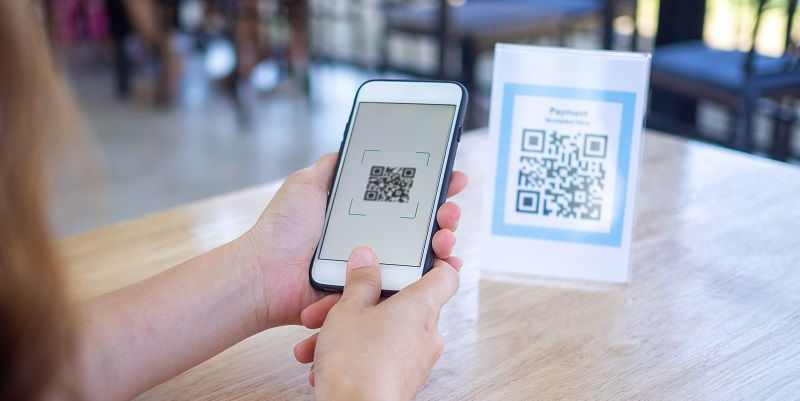
The central banks of Singapore and Indonesia have announced their plans to revolutionize cross-border payments by introducing the use of QR codes. Bank Indonesia (BI) and the Monetary Authority of Singapore (MAS) aim to incorporate this innovative technology into their payment systems before the end of the year. The introduction of QR code payments is expected to enhance efficiency, speed, and convenience for businesses and consumers in both countries.
Central Bank plans
Both BI and MAS have expressed their intention to adopt QR code technology for cross-border payments. This move signifies a significant shift towards modernizing payment systems and embracing digital advancements. The central banks aim to implement this technology within their respective payment systems by the end of the year, allowing users to perform seamless transactions across borders.
Progress update
The plan to introduce QR code payments between Singapore and Indonesia was initially announced in August 2022. Since then, the project has made considerable progress, with three-quarters of the beta testing completed, according to BI’s deputy governor, Filianingsih Hendarta. This milestone indicates that the implementation of QR code payments is well underway, bringing us one step closer to a more connected and efficient payment ecosystem.
Singapore’s role as a forerunner
Singapore has long been at the forefront of embracing digital payment technologies. In 2018, it rolled out what was touted as the world’s first unified payments QR code. This pioneering move set the stage for other countries to follow suit, laying the foundation for seamless payment interoperability across borders. Additionally, Singapore has successfully completed a cross-border pilot project with Malaysia, further demonstrating its commitment to advancing payment systems within the region.
Regional Development
The integration of payment systems between Indonesia and Thailand has also been a significant development in the Southeast Asian region. By linking their respective systems, these countries have taken a crucial step towards promoting financial connectivity. The introduction of QR code payments between Singapore and Indonesia will further bolster this regional progress, ensuring faster and more convenient transactions for businesses and consumers.
Benefits of QR Code Payments
The popularity of QR code payments has been growing steadily worldwide, primarily due to their simplicity and convenience. Users can make payments by simply scanning a code using their smartphones, eliminating the need for cash or traditional payment methods. The adoption of QR code payments for cross-border transactions will reduce reliance on cash and promote digital financial inclusion, making transactions more accessible to individuals who may not have access to traditional banking services.
Interoperability and financial connectivity
The implementation of QR code payments between Singapore and Indonesia is part of a broader effort by central banks in the region to promote interoperability and improve financial connectivity between countries. By integrating payment systems, these countries can work towards creating a seamless and interconnected financial ecosystem. This effort aims to enhance cross-border transactions, facilitate economic growth, and foster stronger relationships between nations in the region.
Potential future initiatives
The successful implementation of QR code payments between Singapore and Indonesia could potentially pave the way for similar initiatives with other countries in the future. As more countries recognize the benefits of QR code technology for cross-border transactions, we can expect to see increased collaboration and integration between payment systems. This could lead to a more connected and efficient global payment network, benefiting individuals, businesses, and economies worldwide.
The central banks of Singapore and Indonesia are set to revolutionize cross-border payments through the introduction of QR code technology. This move will enhance efficiency, speed, and convenience for businesses and consumers in both countries. With Singapore’s prior experience as a forerunner in this space and the progress made in regional integration, the stage is set for successful implementation. By embracing QR code payments, these countries are leading the way in creating a more inclusive and interconnected financial ecosystem. The potential for future initiatives with other countries holds promising prospects for further advancements in cross-border payments on a global scale.