

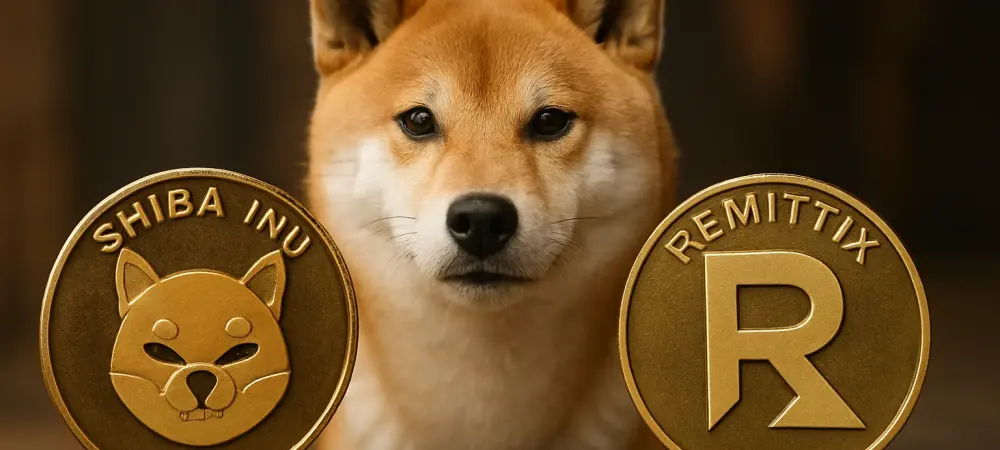
In the dynamic world of cryptocurrency, where fortunes can be made or lost in a single market cycle, a staggering statistic emerges: the global payments industry is valued at over $19 trillion annually, yet only a fraction of transactions leverage blockchain technology. This untapped potential sets the stage for a compelling comparison between two distinct crypto projects—Shiba Inu (SHIB), a meme token that once captured the imagination of millions, and Remittix (RTX), an emerging altcoin with a focus on real-world financial solutions. As the crypto market continues to evolve in 2025, investors face a critical decision: cling to the nostalgia of speculative tokens or embrace projects with tangible utility. This analysis dives deep into the contrasting trajectories of these two cryptocurrencies, exploring their market performance, purpose, and long-term potential.
Introduction to Shiba Inu and Remittix Presale
Shiba Inu, often dubbed the “Dogecoin killer,” burst onto the scene as a meme token fueled by viral hype and a passionate community. With its iconic Shiba dog mascot, SHIB gained massive traction among retail investors seeking quick gains through speculative trading. Despite its lack of inherent utility, the token carved out a significant place in the crypto ecosystem, becoming a symbol of community-driven momentum. Its journey reflects a period when sentiment often outweighed substance in driving market value.
On the other hand, Remittix enters the market with a starkly different proposition. Positioned as a utility-focused altcoin, RTX aims to revolutionize the global payments sector through decentralized finance (DeFi) solutions. Unlike meme tokens, its core mission is to bridge the gap between cryptocurrency and traditional finance, offering practical tools for borderless transactions. This focus on real-world application highlights a growing trend in the crypto space, where functionality is becoming a key determinant of success.
The comparison between these two projects is timely, as investor priorities shift from speculative fervor to sustainable value. While Shiba Inu represents an era of hype-driven investments, Remittix aligns with a maturing market that increasingly demands innovation and impact. This analysis seeks to unpack how these contrasting approaches shape their respective standings and appeal in today’s cryptocurrency landscape.
Key Comparisons: Market Performance and Project Focus
Current Market Standing and Trends
Shiba Inu holds a formidable position in the crypto market with a market capitalization of $7.73 billion and a token price of $0.00001312. A recent 1.1% price increase suggests lingering interest among traders, yet a closer look reveals challenges. Trading volumes have declined by 18.39%, dropping to $232.58 million, signaling reduced daily engagement and raising questions about the token’s ability to maintain momentum in a competitive environment.
In contrast, Remittix has made waves during its presale phase, raising over $25 million by selling more than 656 million tokens at $0.1050 each. This achievement reflects strong early investor confidence and growing traction. Beyond the numbers, RTX benefits from active community initiatives and strategic rollouts, positioning it as a project gaining ground rapidly even before full market entry.
The disparity in market trends between the two is evident. While Shiba Inu struggles to sustain enthusiasm amid declining activity, Remittix capitalizes on presale success to build a foundation for broader adoption. This contrast underscores differing investor perceptions, with one project leaning on past glory and the other banking on future promise.
Core Purpose and Innovation
At its core, Shiba Inu thrives on meme-driven hype and the strength of its community. Its appeal lies in cultural resonance rather than technological advancement, with limited updates to introduce meaningful utility. This reliance on sentiment, while effective in earlier market cycles, leaves the project vulnerable as demand for practical solutions grows.
Remittix, by comparison, targets the massive $19 trillion global payments industry with a DeFi-centric approach. Its flagship innovation—a crypto-to-fiat bridge—enables seamless borderless payments, allowing users to transfer cryptocurrency directly to bank accounts in over 30 countries. This feature addresses a critical pain point in international finance, offering speed and accessibility that traditional systems often lack.
The divergence in purpose highlights a fundamental difference: Shiba Inu remains tethered to speculative appeal, while Remittix pushes boundaries with actionable technology. For investors, this distinction raises important considerations about whether cultural momentum or innovative utility will define the next wave of crypto success.
Investor Appeal and Future Potential
Shiba Inu’s investor base is rooted in its history of delivering staggering returns during peak hype cycles. However, as the market matures, its speculative nature may struggle to retain long-term interest. Without significant pivots toward utility, the token risks fading into obscurity among newer, more dynamic projects that cater to evolving demands.
Remittix, conversely, appeals to a growing segment of investors prioritizing practical applications over short-term gains. Strategic developments, such as the beta wallet release in recent quarters, upcoming listings on major exchanges like BitMart and LBank, and security audits by CertiK, enhance its credibility. These steps signal a commitment to transparency and scalability, positioning RTX as a serious contender for sustained growth.
Looking ahead, the potential trajectories diverge sharply. While Shiba Inu depends heavily on community sentiment to reignite interest, Remittix aligns with the industry’s shift toward functionality, offering a roadmap that could yield substantial returns if adoption targets are met. This contrast frames a critical choice for investors navigating an increasingly discerning market.
Challenges and Limitations of Both Projects
Shiba Inu faces significant hurdles in maintaining relevance in a landscape that increasingly favors utility over speculation. Waning engagement, as evidenced by declining trading volumes, suggests that community loyalty alone may not suffice. Without innovative updates or a clear pivot to practical use cases, the token risks becoming a relic of an earlier crypto era.
Remittix, though promising, is not without its obstacles. Achieving widespread adoption post-presale remains a formidable task, particularly in the complex and heavily regulated global payments sector. Additionally, ensuring robust security as the platform scales and navigating diverse regulatory frameworks across multiple countries will test the project’s resilience and adaptability.
Both projects must contend with broader industry dynamics. For meme coins like Shiba Inu, the challenge lies in overcoming a market shift that deprioritizes hype in favor of substance. For Remittix, the pressure is to deliver on its ambitious vision and prove real-world impact. These shared and unique challenges highlight the high stakes involved in carving out a lasting place in the crypto ecosystem.
Conclusion: Which Holds Greater Promise for Investors?
Reflecting on the detailed comparison, it becomes evident that Shiba Inu’s historical success as a meme token has carved a notable legacy, yet its diminishing appeal stands in stark contrast to Remittix’s forward-looking PayFi approach and presale momentum. The analysis reveals that while SHIB retains a loyal following, its reliance on past achievements struggles against the market’s pivot toward utility-driven projects. Remittix, with its focus on solving real financial challenges, emerges as a potential frontrunner for future gains.
For investors who have witnessed the comparison unfold, the next steps involve a deeper exploration of Remittix’s ecosystem, including its innovative tools and community initiatives accessible through official channels. Considering diversification by balancing speculative holdings like SHIB with utility-focused investments like RTX offers a prudent strategy. Additionally, staying informed about upcoming exchange listings and adoption milestones for Remittix could provide early movers with a competitive edge in a rapidly evolving market.