

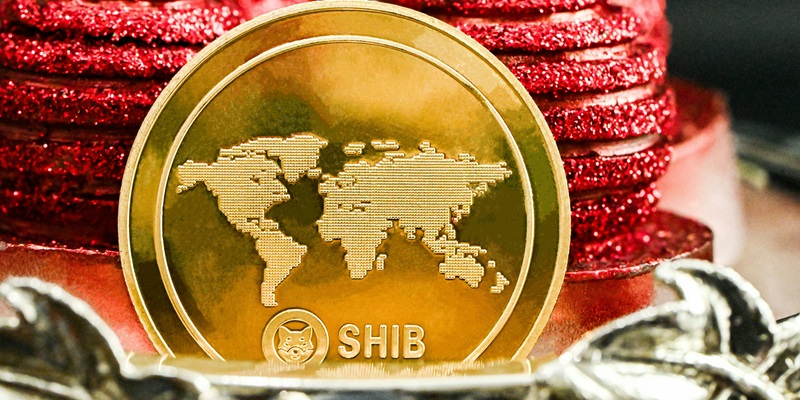
A recent blunder in a guide intended for beginners delving into the Shiba Inu ecosystem has brought to light the precarious nature of navigating the cryptocurrency world. Published by Crypto.com, the guide initially received accolades from the Shiba Inu team and its community for being a comprehensive introduction to tokens such as SHIB, Bone, and Doge Killer (LEASH), as well as the upcoming TREAT token. However, ShibArmy Scam Alerts soon identified a significant issue: a link embedded within the guide led to a fraudulent TREAT token website. This discovery prompted immediate warnings from the Shiba Inu team and its lead developer, Shytoshi Kusama, urging their community to remain cautious about potential scams linked to the bogus link.
Community Safety and Vigilance
Addressing the Misleading Link
The importance of verifying links and obtaining information from official sources is paramount, especially in the cryptocurrency domain where scams are rampant. Upon identifying the fraudulent link, the Shiba Inu team promptly contacted Crypto.com to rectify the mistake. The swift action taken emphasizes their dedication to protecting the community from falling victim to scams. Shytoshi Kusama openly expressed his disappointment over the erroneous inclusion of the TREAT token, which had not been released at the time. This situation underscores the necessity for meticulous attention to detail when disseminating information, particularly in an industry as volatile as cryptocurrency.
Ensuring that only accurate and verified information reaches the community is vital for their safety. The Shiba Inu team’s advisories extend beyond merely correcting mistakes. They continuously advocate for their community to exercise caution and verify all links before clicking to avoid potential traps. The incident serves as a critical reminder for all cryptocurrency users to remain vigilant and discerning, scrutinizing every piece of information and ensuring its legitimacy before taking any action. This proactive approach in addressing misinformation reflects the team’s commitment to safeguarding their community and highlights the need for ongoing educational initiatives to foster a more informed and cautious user base.
Impersonation Scams on Telegram
The discovery of additional scams involving impersonators of Shytoshi Kusama on Telegram further emphasizes the heightened vigilance required within the Shiba Inu community. These impersonators were found soliciting funds from unsuspecting users, posing as the Shiba Inu lead developer. Shytoshi Kusama and the Shiba Inu team swiftly responded, reiterating that Kusama would never request funds from users. This prompt clarification was crucial in mitigating the potential impact of the scam and reinforcing the message of caution within the community.
The impersonation scam highlights the broader issue of identity fraud within the cryptocurrency space. With the prevalence of such deceptive tactics, it is essential for users to adopt a skeptical mindset and continuously verify the authenticity of any communication purportedly from official sources. The Shiba Inu team’s warning serves as a potent reminder for the community to maintain a high level of skepticism and validation when interacting on platforms like Telegram, where the anonymity and ease of creating fake profiles can be exploited by malicious actors.
The Role of Education and Proactive Measures
Community Education as a Defense Mechanism
The Shiba Inu team’s proactive measures and emphasis on community education are crucial in creating a resilient defense mechanism against scams. By swiftly addressing misconceptions and issuing advisories, they fortify the community against potential threats. Educating users about the common tactics employed by scammers and the importance of verifying information from official channels equips them with the knowledge needed to navigate the murky waters of cryptocurrency safely. This focus on education is particularly important given the complex and rapidly evolving nature of the crypto landscape, where new threats and tactics can emerge quickly.
The emphasis on community education also reflects the continuous effort required to remain updated and vigilant. As new users enter the cryptocurrency space, the likelihood of encountering scams increases. Therefore, creating a culture of ongoing learning and awareness is essential. The Shiba Inu team’s dedication to this cause, through consistent updates and advisories, plays a crucial role in fostering a community that is better prepared to guard against deceptive practices. This educational approach not only protects users but also builds a more informed and resilient community, capable of withstanding the challenges posed by the ever-changing cryptocurrency ecosystem.
Ongoing Vigilance and Community Support
A recent mistake in a guide aimed at beginners exploring the Shiba Inu cryptocurrency ecosystem has highlighted the risky nature of navigating digital currencies. Published by Crypto.com, the guide initially received praise from both the Shiba Inu team and its community for providing a thorough introduction to tokens like SHIB, Bone, Doge Killer (LEASH), and the upcoming TREAT token. Yet, the guide’s acclaim quickly turned into concern when ShibArmy Scam Alerts spotted a serious issue: one of the links embedded in the guide directed users to a fraudulent TREAT token website. This alarming discovery led to urgent warnings from the Shiba Inu team and their lead developer, Shytoshi Kusama. They advised their community to exercise caution and remain vigilant against potential scams associated with the misleading link. This incident underscores the critical need for meticulous scrutiny when navigating the cryptocurrency space, where even well-regarded resources can harbor hidden dangers that put investors at risk.