

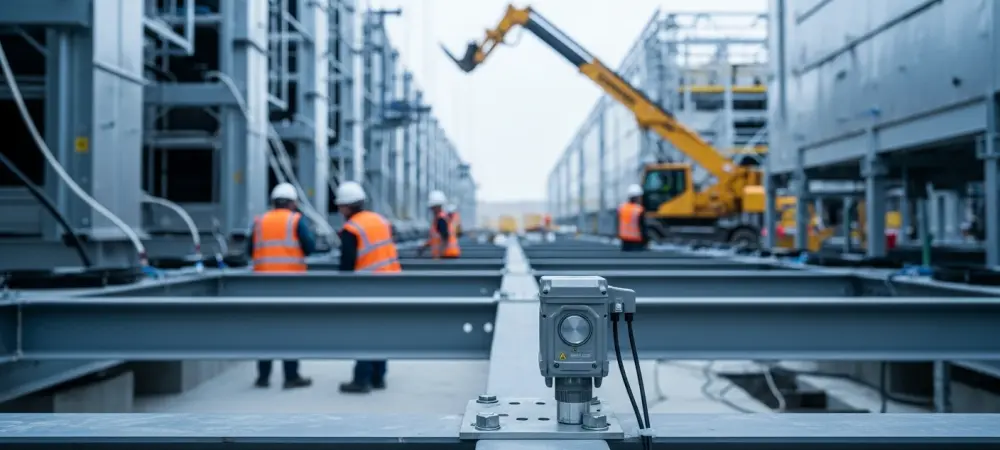
The rapid transition of artificial intelligence from digital code to massive physical infrastructure has created a profound mismatch between high-speed industrial expansion and the rigid systems of traditional finance. As global hyperscalers and semiconductor giants channel hundreds of billions into new manufacturing hubs and data centers, they are running headlong into a legacy insurance market that remains a significant bottleneck. This sector is currently characterized by fragmented data and manual workflows that struggle to keep pace with the urgent demands of modern capital deployment. Consequently, the evolution of construction insurance is no longer just a back-office improvement but a strategic necessity to bridge the gap between technological ambition and the lethargic risk assessment processes of heritage carriers.
The Nexus of Artificial Intelligence and Physical Infrastructure Construction
The global race to develop artificial intelligence has moved beyond software-driven competition into a phase of massive physical undertaking. Developers are now breaking ground on semiconductor manufacturing facilities and renewable energy assets at a scale rarely seen in previous industrial cycles. This surge in construction activity requires a sophisticated layer of financial protection that understands the specific risks of high-tech job sites. Traditional insurers often lack the technical vocabulary and data processing speed to evaluate these complex projects effectively, leading to a friction-filled environment for the firms building the backbone of the digital economy.
Furthermore, the scale of these investments means that any delay in securing coverage can result in millions of dollars in lost productivity. The industry is currently witnessing a shift where the “physical layer” of the AI boom is becoming the primary driver of insurance innovation. Modern platforms are stepping in to provide the agility that legacy firms cannot offer, ensuring that the heavy machinery and high-stakes engineering required for AI progress are not stalled by administrative inertia. This shift represents a broader movement toward a more integrated approach where financial services are as technologically advanced as the assets they protect.
Transforming the Landscape of Commercial Risk Management
Emerging Trends in Behavior-Based Pricing and Real-Time Data
A paradigm shift toward behavior-based insurance is currently redefining how commercial risk is managed and priced. Moving away from static annual applications, the industry is embracing continuous data streams that mirror the “black box” models originally popularized in personal auto insurance. By integrating directly with platforms like Procore, Autodesk, and OpenSpace, modern underwriters can monitor incident tracking and safety protocols in real time. This allows for a dynamic feedback loop where contractors who proactively invest in superior job-site technology are rewarded with differentiated pricing and lower premiums based on their actual risk profile rather than outdated demographic proxies.
Moreover, this data-centric approach provides builders with a tangible incentive to adopt safer practices. When an insurance platform can verify that a contractor is utilizing drone deployment for inspections or advanced document management for quality control, the risk premium naturally drops. This creates a transparent environment where operational excellence is directly correlated with financial savings. As these technologies become standard, the reliance on historical, anecdotal evidence for underwriting is fading, replaced by a live dashboard of project health that benefits both the insurer and the insured.
Market Projections and the High-Stakes Growth of AI Infrastructure
Current indicators suggest a robust growth trajectory for insurance platforms that cater specifically to the sophisticated needs of the AI infrastructure sector. Shepherd has demonstrated the potential of this niche, reporting a sevenfold increase in revenue over the last twenty-four months and currently insuring over $400 billion in total project value. With a portfolio spanning semiconductor plants and renewable energy verticals, the company has proven that AI-native underwriting is becoming a foundational requirement for modern industrial growth. Future forecasts point toward a total transformation of the Builder’s Risk category as capital-intensive projects demand more agile financial protection.
The momentum behind these platforms is supported by a significant shift in capital allocation toward physical assets that support the digital frontier. As semiconductor labs and massive power grids become the new centers of economic gravity, the demand for high-capacity, tech-forward insurance will only intensify. Industry analysts expect that by the end of the decade, the traditional, paper-based underwriting model will be entirely obsolete for major infrastructure projects. The ability to ingest and analyze gigabytes of site data in seconds is becoming the minimum entry requirement for firms looking to compete in this high-stakes environment.
Overcoming the Friction of Legacy Underwriting and Fragmented Data
The primary obstacle currently facing the construction insurance industry is the fundamental disconnect between modern construction speed and traditional carrier lethargy. Legacy systems typically rely on a manual mesh of emails and phone calls, often resulting in weeks-long delays for a single quote. This fragmentation leads to inconsistent underwriting outcomes and a total lack of visibility into live job-site conditions, which is unacceptable for projects moving at the speed of light. To overcome these complexities, the industry must adopt integrated technology stacks that allow for a more precise and immediate assessment of risk that mirrors the actual progress of a project.
Furthermore, the lack of data standardization across different construction firms makes it difficult for traditional underwriters to form a cohesive picture of risk. When data is siloed in different formats or stuck in physical binders, the resulting insurance policies are often broad and inefficiently priced. By creating a unified digital intake process, tech-forward firms are eliminating the “data noise” that plagues the industry. This transition not only speeds up the process but also reduces the likelihood of human error, ensuring that the coverage provided is exactly tailored to the specific hazards of the site.
Navigating Regulatory Standards and the Move Toward Compliance Automation
As the insurance industry becomes increasingly data-driven, the regulatory landscape is shifting to keep pace with digital transformation. Significant emphasis is being placed on how data is collected, stored, and utilized for underwriting purposes. Compliance now involves ensuring that AI-driven risk models are transparent and adhere to established safety standards without introducing bias. By utilizing Managing General Underwriter (MGU) models, tech-forward firms can maintain high security and regulatory compliance while backed by the financial strength and established licenses of world-class insurance institutions.
Moreover, the automation of compliance tasks is becoming a critical competitive advantage. Instead of manually verifying every safety certification and local building permit, AI systems can now cross-reference project data with regulatory databases instantaneously. This reduces the administrative burden on both the broker and the contractor, allowing them to focus on project execution rather than paperwork. As regulators become more comfortable with these automated systems, the speed of approval for complex insurance structures is expected to increase, further facilitating the rapid build-out of critical infrastructure.
The Technical Vision: From Manual Processes to Autonomous Underwriting
The future of the industry lies in the transition from human-intensive labor to agentic and autonomous underwriting. The emerging model of supervised autonomy aims to increase underwriting capacity by tenfold, allowing a single professional to oversee 200 accounts instead of 20. Emerging technologies will soon enable agentic submissions, where AI handles intake, data enrichment, and preliminary pricing with minimal human intervention. As these market disruptors mature, underwriters will transform into portfolio orchestrators, focusing on high-level strategy and complex exceptions while AI manages the routine administrative workflows.
This technical evolution is not just about speed; it is about the depth of analysis. An autonomous system can simulate thousands of risk scenarios based on real-time weather data, supply chain fluctuations, and local labor trends in the time it takes a human to open an email. This level of granular insight allows for more creative insurance products, such as parametric coverage that triggers automatically when specific site conditions are met. The result is a more resilient financial ecosystem where the insurance policy is a living document that reacts to the environment it protects.
Strategic Outlook for the Evolution of Industrial Insurance
The successful $42 million funding round for Shepherd marked a turning point in the methodology used to protect physical infrastructure. By leveraging AI to modernize the internal mechanics of the insurance industry, the company established a new standard for speed and accuracy. The integration of real-time data and the shift toward behavior-based pricing represented the first major steps in a broader evolution that eventually changed the entire landscape of industrial risk management. This progression ensured that the financial sector did not become an anchor dragging behind the rapid pace of technological innovation in the physical world. Moving forward, stakeholders within the construction and insurance sectors should prioritize the standardization of data protocols to allow for even deeper integration between site technology and financial underwriting. The industry moved toward a future where “risk” is no longer a static calculation made once a year but a dynamic variable managed every hour. This shift required firms to invest heavily in digital literacy and data infrastructure, ensuring that they could participate in the new era of autonomous finance. Ultimately, the successful deployment of capital into the AI era depended on creating an insurance framework that was as intelligent and responsive as the infrastructure it sought to protect.