

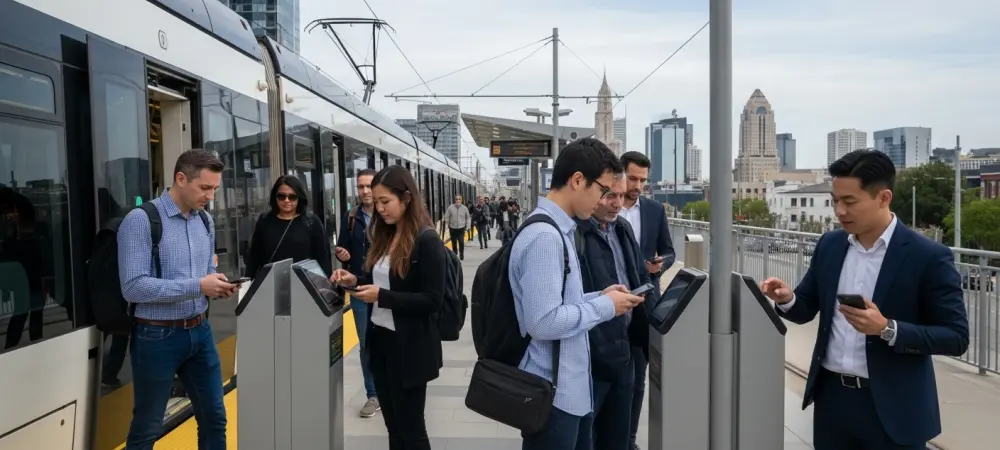
Commuters navigating the bustling platforms of the King Street Station no longer need to fumble with specialized plastic cards or stand in line at aging kiosks to reach their destinations. For years, the Sound Transit experience often began with the frustration of a “low balance” alert at a crowded kiosk while a train pulled into the station. That friction is now becoming a thing of the past as Seattle’s ORCA system transitions to a seamless, open-loop payment model. By allowing riders to bypass the traditional ticketing machine entirely, the city is transforming the act of boarding a bus or light rail into a process as simple as buying a cup of coffee.
Moving Beyond the Prepaid Plastic Barrier
Modernizing the commute involves more than just faster trains; it requires a reduction in the cognitive load required to access the network. This shift away from proprietary hardware represents a significant victory for regional efficiency, as it eliminates the need for every occasional rider to purchase and manage a dedicated transit card. By integrating standard financial tools into the boarding process, the city has removed the physical and psychological barriers that once gated the Puget Sound transit experience.
Modernizing the Puget Sound Commute
This upgrade marks a pivotal shift in how the region handles urban mobility, moving Seattle into alignment with other major transit hubs like San Francisco and London. The move toward contactless payments is not just about convenience; it is a response to a global trend accelerated by hygiene concerns and a growing demand for “tap-to-pay” versatility. As the region continues to grow, the ability to integrate debit cards and mobile wallets becomes essential for maintaining a functional and efficient regional transport network.
Strategic Infrastructure: Preparing for a Global Stage
The rollout of these payment options is meticulously timed to prepare for a massive influx of visitors ahead of the FIFA World Cup and Seattle’s busy annual festival circuit. By eliminating the learning curve associated with specialized transit cards, the city expects to see a significant uptick in ridership from tourists who might otherwise find complex fare structures intimidating. This modernization serves as a tool to manage high-volume crowds while simultaneously driving economic activity by making it easier for visitors to navigate between local businesses.
Balancing High-Tech Efficiency with Community Equity
Industry data from similar transitions in the United Kingdom suggests that removing payment barriers directly correlates to higher revenue and increased public transit adoption. However, Seattle’s approach prioritizes inclusivity alongside innovation, ensuring that the digital-first environment does not leave vulnerable populations behind. While the system moves toward mobile wallets, the physical ORCA card remains a staple for seniors and participants in subsidized fare programs, creating a balanced ecosystem that serves both the tech-savvy traveler and the local daily commuter.
Navigating the New System: A User Guide
Transitioning to the new system required no additional hardware for the rider; any contactless-enabled Visa, Mastercard, or American Express card worked instantly at existing readers. For those using smartphones, ensuring that a default card was set in Apple Pay or Google Pay allowed for “Express Transit” functionality, which enabled boarding without even waking the device screen. Riders still managed their accounts through the ORCA website, but the need to pre-load specific dollar amounts became optional, giving commuters the flexibility to pay as they went and avoid trapped balances. This integration successfully bridged the gap between legacy infrastructure and modern expectations.