

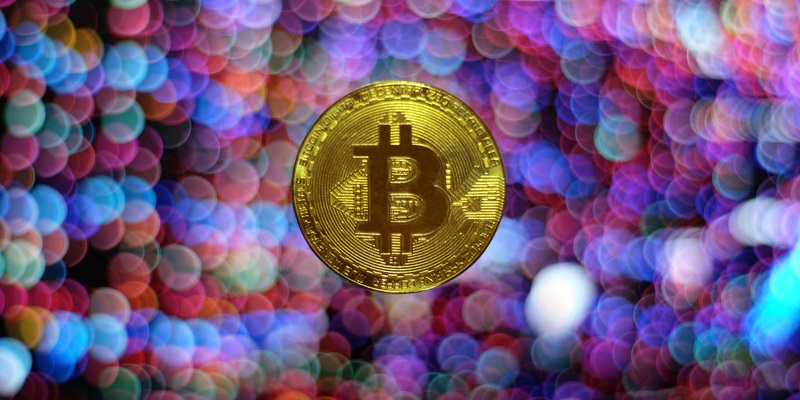
The cryptocurrency market is buzzing with anticipation as the price of Bitcoin is expected to embark on a significant rally. Renowned investor Robert Kiyosaki and other cryptocurrency experts predict a surge in Bitcoin’s value, driven by factors such as increased trading volume, the upcoming Bitcoin halving, and the unparalleled growth potential Bitcoin possesses compared to traditional assets like gold. In this article, we delve into these projections and explore the reasons behind the growing optimism surrounding Bitcoin and the broader crypto market.
Bitcoin Price Projection by Robert Kiyosaki
Robert Kiyosaki, the author of the bestselling book “Rich Dad Poor Dad,” has made bold predictions about Bitcoin’s future price. According to Kiyosaki, Bitcoin is well positioned to rally towards an impressive price point of $135,000 in the near term. His bullish outlook is underpinned by various factors, including the recent spike in trading volume and the forthcoming Bitcoin halving, expected to occur in less than six months. Kiyosaki believes that the supply-demand dynamics created by this event will act as a catalyst, propelling Bitcoin’s value above $100,000.
Crypto experts’ perspective on Bitcoin’s rally
Kiyosaki’s projection is not isolated, as many other crypto experts share a positive sentiment towards Bitcoin’s rally. The notion of an “Uptober” rally has gained traction within the crypto community, suggesting that Bitcoin’s price could surpass $32,000 and potentially reach $40,000 in the coming weeks. The growing interest from institutional investors, propelled by the recent spot Bitcoin ETF frenzy, has instilled confidence in the long-term prosperity of digital assets over fiat currencies, further fueling the optimism surrounding Bitcoin’s rally.
Bitcoin’s Superiority Over Gold
One of the primary reasons behind the increasing popularity of Bitcoin is its perceived superiority over traditional assets like gold. The diminishing returns of gold in recent times have contributed to the surge in demand for Bitcoin. Bitcoin’s price has grown by approximately 147 percent since August 2020, while gold has only experienced a modest 18 percent increase over the same period. This remarkable performance has caught the attention of investors seeking higher returns and diversification.
Expected Growth in the Precious Metal Industry
Despite the rising allure of Bitcoin, Kiyosaki remains confident in the continuous growth of the precious metal industry. He predicts that gold will soon break above the $2,000 mark and rally towards an astounding price of $3,700. This prediction is rooted in the belief that the demand for gold will continue to heighten as economic uncertainty persists. Furthermore, Kiyosaki anticipates a tremendous increase in the value of silver, forecasting a price of $68, nearly tripling its current value of about $23.
The role of Bitcoin and precious metals for hedging
Given the looming economic uncertainty, Kiyosaki advises dollar holders to consider investing in Bitcoin and precious metals as a means of hedging against the potential implosion of traditional financial systems. Diversifying one’s investment portfolio with assets that have demonstrated resilience and growth potential, such as Bitcoin and precious metals, can act as a safeguard against the risks associated with a volatile market.
Bitcoin’s potential rally towards $135,000, coupled with the projected growth in the precious metals industry, has sparked optimism in both the crypto market and the traditional investment landscape. The predictions put forth by Robert Kiyosaki and other crypto experts underline the shifting dynamics within the global financial ecosystem, where digital assets like Bitcoin are gaining traction as viable investment alternatives to traditional options. As investors navigate uncertain waters, the importance of considering alternative investments like Bitcoin and precious metals cannot be overstated. Whether Bitcoin reaches its projected price or not, the underlying technology and its potential use cases continue to revolutionize the financial world, making it a compelling asset for investors seeking growth and diversification.