

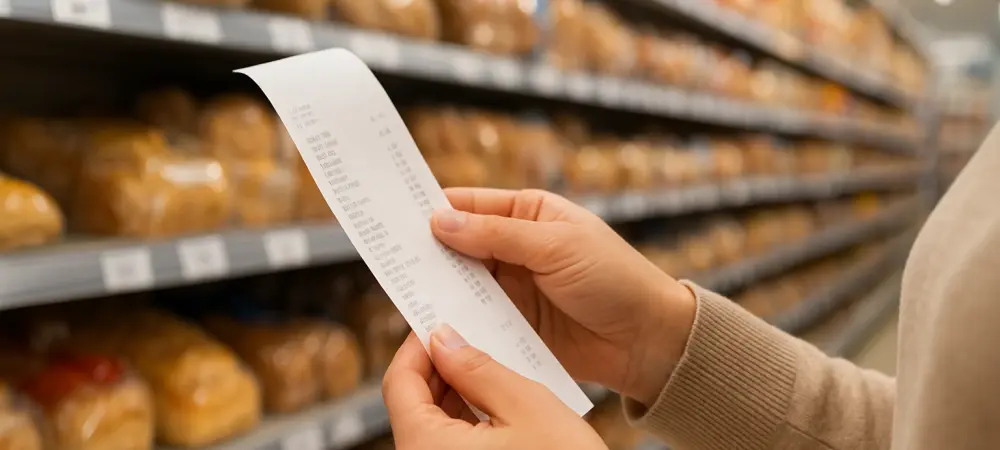
The sight of a shopper splitting the cost of a carton of eggs and a loaf of bread into four interest-free installments is no longer a rare anomaly in a shifting economic landscape. While buy now, pay later (BNPL) services once belonged to the world of fashion and electronics, they have permeated grocery checkout lines and gas station kiosks. This transition from “treat yourself” to “feed yourself” signifies a profound shift in how households manage liquidity in 2026.
The Grocery Aisle Debt Trap
Financing basic nutrition reflects a growing reliance on micro-credit to bridge the gap between paychecks. Consumers who previously reserved credit for high-ticket items now navigate payment plans for daily perishables. This indicates that deferred payments have evolved into a survival strategy rather than a luxury convenience for the modern household.
The psychological barrier to debt has lowered significantly due to the seamless integration of these tools. When small totals are divided into four negligible amounts, the friction of spending vanishes, making essentials feel less burdensome in the moment. However, this ease often masks a budget that cannot cover basic needs without external assistance.
From Discretionary Splurges to Survival Spending
BNPL tools expanded from fashion and electronics into critical realms like rent, insurance, and utilities. As the cost of living remained high in 2026, even middle-income families began turning to micro-loans to maintain their monthly stability. What was once a tool for discretionary consumerism has effectively become a lifeline in an increasingly expensive world.
This trend suggests that BNPL usage is often a symptom of systemic financial distress rather than mere consumer savvy. When households must finance their electricity bill or monthly rent, it highlights a disconnect between wages and non-negotiable prices. This shift turns what could be a helpful budgeting tool into a necessary, yet risky, dependency.
The Mechanics of a Modern Debt Spiral
The “loan stacking” phenomenon occurs when users take out multiple installments across different platforms simultaneously. While a single five-dollar payment seems trivial, the aggregation of a dozen such obligations can lead to unmanageable monthly totals. Without a centralized way to track these various commitments, shoppers often find themselves overextended.
Late fees and deferred interest can quickly cause these loans to become more expensive than traditional credit card debt. Furthermore, using debt for consumables acts as a band-aid that obscures the need for meaningful budgeting adjustments. This reliance delays a necessary reckoning with one’s true fiscal deficits.
Expert Perspectives on the BNPL Crisis
Financial advisor Dr. Erika Rasure warned that using credit for non-durable goods sets a dangerous precedent for stability. Since groceries provide no lasting equity, financing them creates a cycle of paying for the past while trying to survive the present. This misalignment can leave consumers with nothing but receipts and a depleted bank account. Expert Matt Schultz noted the importance of distinguishing between intentional financing and desperate borrowing. He observed that the ease of “one-click” borrowing effectively bypasses the critical friction needed to make responsible spending decisions. This emotional crutch often prevents users from addressing the root cause of their cash flow struggles.
Strategies for Responsible Installment Management
Experts advocated for the “debit-only” rule as a primary defense against compound debt. Linking BNPL accounts to credit cards often created a dangerous layering effect that worsened a user’s financial standing. By sticking to debit cards, consumers ensured they were using existing funds rather than revolving credit to settle their installments.
Setting hard limits on the number of concurrent active loans also became a vital strategy. Families established a maximum of two active plans at any given time to prevent payment schedule overlap. This provided better visibility into monthly outflows and significantly reduced the risk of missed payments during high-expense weeks. Focusing on structural budget changes eventually replaced the reliance on deferred payments. Households built modest emergency funds and cut non-essential costs to avoid the need for micro-debt. These actions moved them toward a sustainable future where essential needs were met without the weight of perpetual installments.