

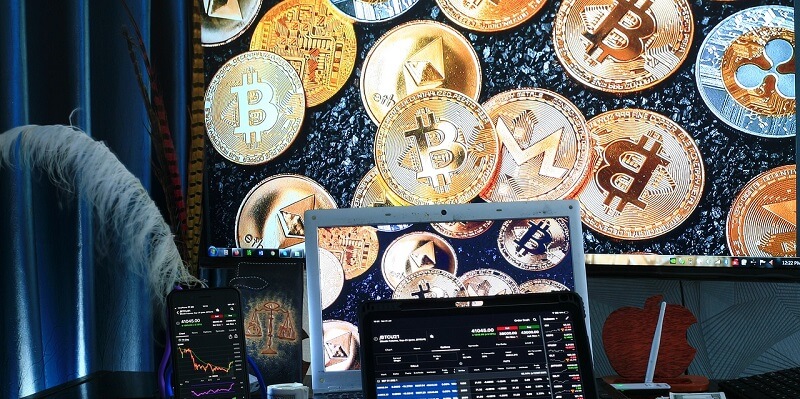
In a remarkable overnight rally, cryptocurrencies have witnessed a significant spike, reaching new yearly highs. This surge comes as a result of favourable decisions surrounding the legal battle between the United States Securities and Exchange Commission (SEC) and blockchain payments firm, Ripple Labs Inc, over the status of XRP. The spike in buy-ups has helped break the prolonged uncertainty that had gripped the market for months, commonly referred to as the crypto winter.
Legal Battle between SEC and Ripple Labs Inc
The ongoing legal battle between the SEC and Ripple Labs Inc has been a major source of uncertainty in the cryptocurrency market. The SEC alleges that Ripple violated securities laws by selling XRP tokens as unregistered securities. This legal battle has caused significant concern among investors and has held back the growth and adoption of cryptocurrencies.
Breaking the Crypto Winter
The prolonged uncertainty created by the legal battle and regulatory ambiguity surrounding cryptocurrencies has given rise to the crypto winter. Investors have been hesitant to make significant moves in the market, fearing potential repercussions. However, the recent spike in buy-ups has brought about a welcome change, breaking the shackles of the crypto winter and injecting new life into the market.
Changing Regulatory Environment
The regulatory environment surrounding cryptocurrencies is constantly evolving. Matthew Dibb, the Chief Investment Officer at crypto asset management firm Astronaut Capital, explains that the regulatory landscape is constantly changing. This means that companies and stakeholders must stay up to date with regulatory developments to ensure compliance and navigate the market successfully.
Regulatory Clarity for Ripple Stakeholders
The recent court ruling regarding Ripple’s XRP tokens has provided much-awaited regulatory clarity for Ripple stakeholders. While the language used in the ruling may still be somewhat ambiguous, the finding that XRP tokens sold on public crypto exchanges are not considered securities under the law is seen as a potentially influential precedent. This ruling is expected to have far-reaching implications for the classification of cryptocurrencies and may bring more clarity to the industry as a whole.
Impact on Altcoins
One significant result of the court ruling has been the spike in smaller cryptocurrencies, also known as “altcoins.” Tokens such as Solana (SOL), Polygon (MATIC), and Stellar (XLM) have seen substantial price gains ranging from 15% to 50%. This surge in altcoins reflects the growing optimism and renewed investor interest in the broader cryptocurrency market following the regulatory clarity provided by the court ruling.
Positive Market Reaction
The positive news surrounding cryptocurrencies and the regulatory clarity provided by the court ruling has sparked optimism and created momentum in the market. As a result, shares of Coinbase Global Inc (NASDAQ: COIN) soared 24%, reaching a yearly high. This surge in Coinbase shares indicates the market’s renewed confidence in the cryptocurrency industry and its potential for growth.
The recent court ruling regarding Ripple’s XRP tokens has brought regulatory clarity to the cryptocurrency market, providing a much-needed boost in investor confidence. The spike in cryptocurrencies and altcoins, along with the surge in shares of Coinbase Global Inc, demonstrates the positive momentum and improved market sentiment resulting from these recent developments. The changing regulatory environment and the potential influence of the court ruling set the stage for further advancements and growth in the cryptocurrency industry.