

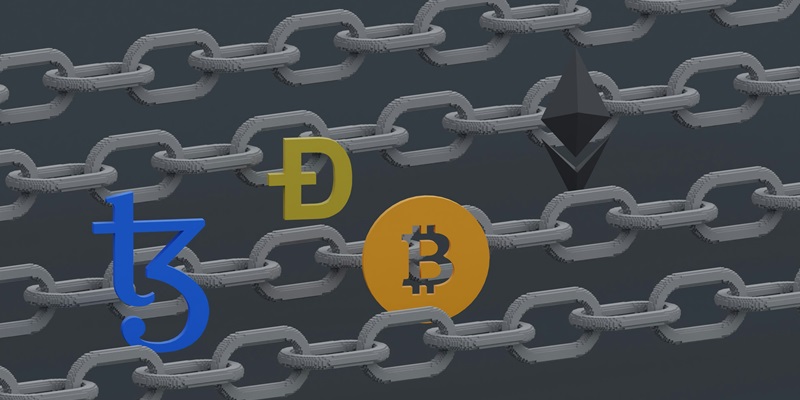
Blockchain technology has burgeoned beyond its cryptocurrency origins to become a pivotal element of digital advancement across various sectors. Recognized for ensuring decentralization, security, and transparency, blockchain stands as a revolutionary force in reshaping finance, supply chain, healthcare, and public administration. It challenges the status quo of traditional systems, fostering a new era of trust and efficiency. With each block of data securely chained across multiple computers, this technology creates an immutable ledger, impervious to fraud and free from central oversight. As we stand on the cusp of a digital renaissance, blockchain is paving the way for profound changes, pushing industries toward a future underpinned by greater trust and operational agility.
Transforming Finance with Blockchain
In the realm of finance, blockchain technology is having a seismic impact. By enabling the direct and secure transfer of assets, it significantly reduces dependency on conventional financial institutions. This democratization of financial services broadens inclusivity and compresses the timeline for transactions while simultaneously reducing the costs involved. Blockchain’s role extends into the critical arenas of audit and compliance, where the technology facilitates pre-programmed smart contracts, fostering an ecosystem where financial disputes are minimized and operations are executed with unprecedented efficiency. As a result, traditional financial models are being upended, making way for a system that is more agile, secure, and suited to the needs of a digital-first economy.
The affixed nature of the technology instills a level of certainty absent from previous systems. Complex cryptographic algorithms ensure data entered onto the blockchain is untamperable, creating an unchangeable historical record of transactions. This level of security is crucial in a sector like finance, where the integrity of data is paramount. Moreover, blockchain’s transparency offers a new level of public visibility and accountability for financial activities, potentially leading to stricter adherence to ethical practices.
Reshaping Supply Chain Management
When it comes to supply chain management, the integration of blockchain has brought about nothing short of a paradigm shift. At its core, blockchain introduces a ledger system that leaves no room for data modification, establishing a lineage of product authenticity that protects against counterfeiting and fraud. The immediate benefits include reduced paperwork, streamlined inventory processes, and the advantage of real-time tracking, translating into substantial cost savings and heightened efficiency. These advancements aren’t just improvements—they’re reinventions that could trigger a wave of innovation and competitiveness within industries, marking a transition towards more resilient and responsive supply chains.
The entire lifecycle of a product, from raw materials to the hands of the consumer, becomes transparent on the blockchain. This level of detail not only bolsters consumer confidence but also equips businesses to make more informed decisions, leading to better resource allocation and optimization of production. The potential for a more sustainable and ethical supply chain is within reach, giving businesses a valuable edge in the marketplace that prizes both quality and corporate responsibility.
Pioneering Change in Healthcare
Blockchain technology emerges as a game-changer in the healthcare domain, promising to protect patient records and facilitate seamless information exchange between providers. By anchoring data integrity and enhancing privacy, blockchain minimizes the risks of breaches and unauthorized access. The potential applications within healthcare are vast, ranging from the secure management of medical records to the simplification of complex administrative tasks. Moreover, blockchain becomes a key enabler of new healthcare models like personalized medicine, signaling a transformation in patient outcomes that is both radical and long overdue.
This emerging technology couldn’t come at a better time for the healthcare industry, which has been grappling with issues of data security and privacy for years. Beyond securing sensitive information, blockchain promotes patient empowerment by giving individuals more control over their health data. In a sector where coordination and coherence of patient information can be a matter of life and death, the capacity of blockchain to streamline processes and ensure accuracy is invaluable.
Advancing Public Administration
Blockchain has expanded well beyond its initial role as the backbone of cryptocurrency, emerging as a vital contributor to digital innovation across numerous fields. Renowned for fostering decentralization, enhancing security, and bolstering transparency, blockchain acts as a transformative force in industries like finance, supply chain management, healthcare, and public sector governance. It is steadily overturning conventional systems, ushering in a new epoch characterized by heightened trust and streamlined operations.
Each piece of data in blockchain is securely interlinked across a network of computers, yielding a tamper-proof record that is resistant to fraudulent activities and operates independently of any central authority. This immutability is the bedrock of the system’s reliability. As we navigate through the early stages of a digital renaissance, blockchain technology is at the forefront, guiding us toward an imminent future distinguished by increased trustworthiness and nimbleness in the face of industrial processes.