

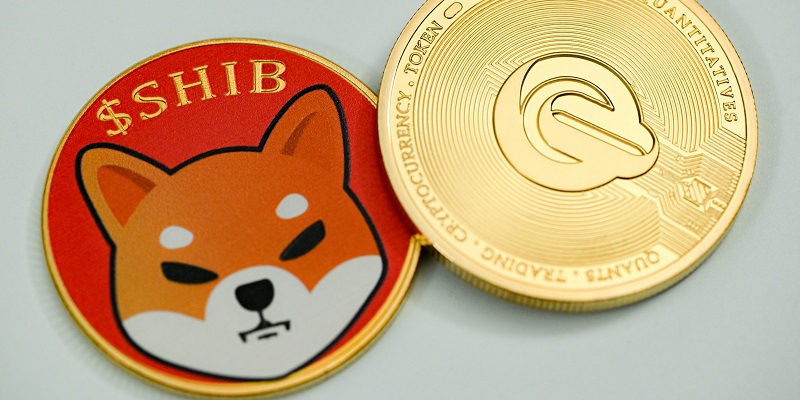
In an exciting development, SHIB and the Shiba Inu Ecosystem have unveiled their collaboration on a groundbreaking Web3 restaurant venture called Welly. The inaugural restaurant will be located in Naples, Italy, with ambitious plans to expand through franchising across Italy and globally.
The Role of Web3 in Welly
Web3, enabled by the recently launched Shibarium blockchain, will be a central element in Welly’s food operations. This innovative technology will revolutionize the way the restaurant functions, introducing efficiency, transparency, and community-driven progress to enhance the overall dining experience.
Menu Offerings
Welly’s initial menu will feature a mouthwatering selection of items, including delicious burgers, mouthwatering fried chicken sandwiches, and perfectly seasoned fries. As the venture progresses, Welly has plans to introduce additional offerings, catering to various dietary preferences, including vegan and gluten-free options.
Soft Launch and Backing
Welly initially soft-launched last year with the backing of the Shiba Inu token and the strong support of the #ShibArmy community. This early support has been instrumental in shaping the vision and success of the restaurant’s journey.
Expansion Plans
Now, with Shibarium’s support and the growing influence of #ShibArmy, Welly is poised to expand its franchise operations both within Italy and internationally. The goal is to provide people around the world with access to the unique Web3 dining experience.
Blockchain’s Transformative Potential
Shiba Inu Lead Developer, known as Shytoshi Kusama, emphasizes the transformative potential of blockchain in the restaurant industry. With Web3 technology embedded at the core of Welly, the restaurant can harness the power of transparency, traceability, and security to build trust with its customers.
Paradigm Shift of Web3
Stefano Guglielmini, a member of the development team, highlights the paradigm shift brought about by Web3. This groundbreaking approach enables a decentralized and community-driven ecosystem, removing traditional intermediaries and fostering direct relationships between customers and restaurants.
Introduction to Shibarium
Shibarium is designed to facilitate high-speed transactions with minimal gas fees and enhance the user experience in the blockchain space. It stands as a Layer 2 blockchain built on Ethereum. This innovative technology will enable Welly to provide seamless, secure, and cost-effective transactions while ensuring a smooth dining experience for its customers.
The Future of Fast-Food Franchises
With Shibarium at its core, Welly is set to embark on a journey that could reshape the future of fast-food franchises. By emphasizing efficiency, transparency, and community-driven progress, Welly offers a glimpse into a new era of dining where technology revolutionizes not only the operations but also the relationship between customers and businesses.
The collaboration between SHIB and the Shiba Inu Ecosystem on the Web3 restaurant venture, Welly, holds immense promise. With its unique offerings and forward-thinking approach, Welly is poised to redefine the fast-food industry and pioneer a new era of dining experiences. The combination of Shibarium and the support of the ever-growing #ShibArmy community position Welly for success as it aims to expand its franchise operations across Italy and beyond. As the transformative potential of blockchain technology becomes increasingly evident, Welly serves as a shining example of how innovation and community collaboration can reshape the future of the restaurant industry.