

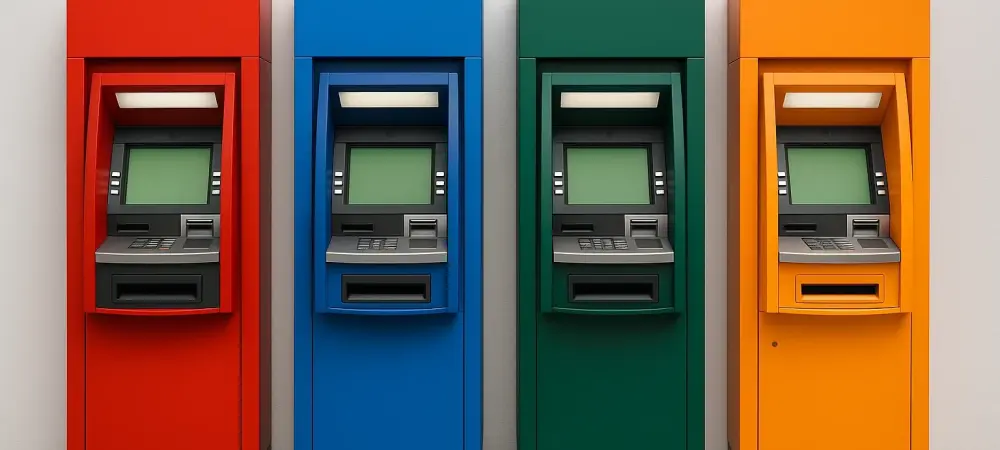
Revolut, a fintech giant with a vast user base of 55 million individuals worldwide, is making a significant move to strengthen its footprint across Europe. This digital-first company, renowned for its innovation in financial services, is making strides to connect with customers physically by introducing branded ATMs. The initial rollout will take place in Spain, a country known for its heavy reliance on cash-based transactions. Through the deployment of these ATMs, Revolut aims to merge the convenience of digital services with the reassurance provided by real-world accessibility. A total of up to 200 ATMs will be installed across major Spanish cities such as Madrid, Barcelona, Valencia, and Málaga. This initiative marks a substantial step in Revolut’s strategy to enhance customer experiences and expand its operational reach in Europe.
A Strategic Decision Driven by Cash Dependency
Choosing Spain as the launchpad for Revolut’s ATM expansion was no arbitrary decision. Data from the Bank of Spain illustrates the country’s significant dependence on cash, with more than 60% of point-of-sale transactions conducted using physical currency. This creates a ripe environment for introducing innovative ATM services. Additionally, Revolut’s services have already gained a foothold in the Spanish market, with its customer base growing to nearly 5 million locals benefitting from features such as in-house savings options, the Bizum payment scheme, and tools for managing tax payments. Therefore, the decision to begin this endeavor in Spain aligns seamlessly with its financial landscape and consumer habits.
This move is not merely about establishing a physical presence, but also about revolutionizing the traditional ATM experience. Existing ATMs often fall short with outdated interfaces, unfavorable fees, and limited functionality. In contrast, Revolut plans to introduce a modern, user-friendly ATM experience that reflects its commitment to quality and innovation. The new machines will feature sleek designs and advanced technology, offering seamless cash withdrawals, on-the-spot new card issuance, and balance management. A large 32-inch interactive display will guide users through operations, enhancing their overall experience with an intuitive interface.
Enhancing Access to Financial Services for All
Revolut is keen on ensuring that both its existing customers and potential new users benefit from these advancements. Current Revolut users will enjoy advantages such as fee-free withdrawals, favorable foreign exchange rates, and payment flexibility through card or contactless methods. Moreover, these ATMs will support multiple languages, including Spanish, Brazilian Portuguese, and Japanese, to cater to a diverse demographic.
Interestingly, the offerings also extend to individuals not yet utilizing Revolut’s services. Non-customers can access the machines, albeit with competitive fees compared to other providers. While these users will initially encounter their bank’s FX rates, Revolut plans to incorporate dynamic currency conversion—allowing for real-time conversions with minimal markups. The opportunity to sign up for a Revolut account directly at the ATM is also available, enabling immediate issuance of a physical card and access to Revolut’s broader suite of services. Security remains a paramount concern in this initiative, as Revolut integrates cutting-edge technology to protect user data and transactions. End-to-end encryption ensures secure handling of sensitive information, and future enhancements like facial recognition are set to bolster security further. By focusing on safety, Revolut is addressing potential concerns with solid measures that safeguard both current users and potential new clients engaging with their ATM network.
Bridging the Gap Between Digital and Physical Banking
Opting for Spain as the launch site for Revolut’s ATM network was a strategic decision based on compelling data. According to the Bank of Spain, over 60% of sales transactions in the country are still conducted using cash, making it an ideal market for introducing advanced ATM services. Revolut already has a strong presence in Spain, with nearly 5 million users enjoying its features like savings options, the Bizum payment platform, and tax management tools. This familiarity ensures that their new ATM initiative aligns perfectly with the financial habits and needs of Spanish consumers. This initiative transcends merely setting up machines; it aims to transform the ATM experience itself. Traditional ATMs are often hampered by outdated technology, high fees, and limited services. Revolut plans to break this mold by offering ATMs with sleek designs and state-of-the-art technology. These will enable smooth cash withdrawals, immediate card issuance, and balance management. A large 32-inch interactive display will guide users, enhancing their experience with an easy-to-navigate interface.