

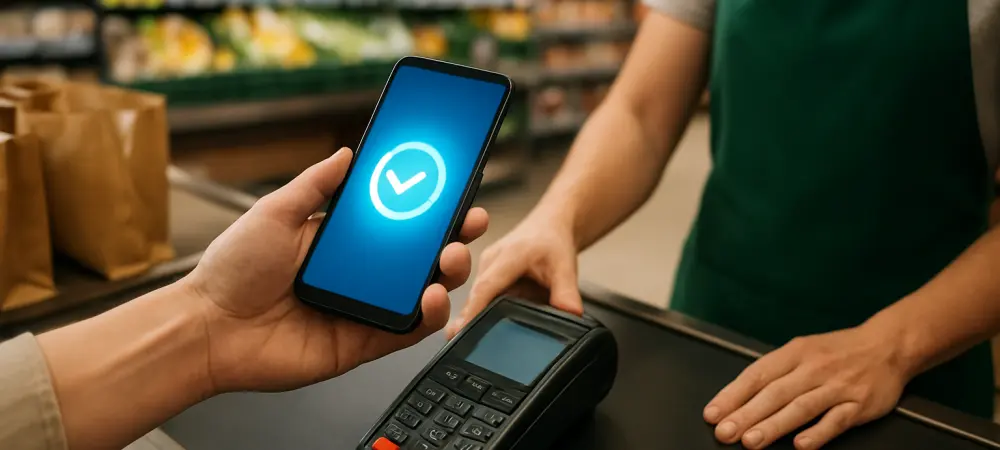
By integrating real-time payment rails directly into payroll systems, employers are finding they can significantly improve the financial health and retention of their hourly workforce. The modern financial landscape is currently undergoing a profound transformation as real-time payments evolve from a modern convenience into a fundamental necessity for managing household liquidity across the United States. Once viewed simply as a way to eliminate banking float, instant payment networks like the RTP network and the FedNow Service are now serving as critical strategic tools for consumers navigating economic uncertainty. This shift marks a transition from faster money to smarter financial management, where the timing of fund availability is just as important as the dollar amount itself. The clearing of funds in seconds rather than days allows households to synchronize their obligations with their income with a level of precision that was historically impossible. As the digital economy matures, the demand for immediacy has shifted from a luxury feature for early adopters to a baseline expectation for the general public, fundamentally altering the relationship between financial institutions and their account holders.
The adoption of these technologies has reached unprecedented levels, with the RTP network processing a record-breaking 2.05 million transactions in a single day by early 2026. This surge is not merely a technical milestone but a reflection of a permanent change in consumer behavior and institutional strategy. Data indicates that nearly three-quarters of consumers have received at least one instant payout, signaling that real-time functionality has officially moved from a niche service for high-value business transfers to a mainstream utility for everyday financial tasks. This high engagement rate suggests that the barrier to entry has vanished, replaced by an ecosystem where speed is the default. For financial institutions, this represents both a challenge to legacy infrastructure and an opportunity to deepen customer relationships by providing the liquidity tools that modern life demands. The record-breaking volumes seen in recent months highlight a systemic shift where real-time movement is no longer the exception but the rule for the American consumer.
The Drivers of Rapid Adoption
Market Growth and Diversification
The quantitative growth of the real-time payment network is being fueled by a qualitative shift in how people move money within their personal ecosystems. While early use cases were dominated by business-to-business transactions and high-value corporate transfers, the current momentum is driven by everyday financial activities such as digital wallet transfers and account-to-account movements. These tools allow users to move funds between their own accounts with total transparency and zero latency, enabling them to cover immediate liabilities or consolidate funds for major purchases without the traditional three-to-five-day waiting period. This shift toward consumer-led demand has forced banks to accelerate their integration of instant rails to avoid losing transaction volume to third-party fintech applications. By providing a seamless connection between different financial silos, real-time payments have effectively eliminated the friction that once defined the retail banking experience for millions of users across the country.
Furthermore, the diversification of payment types has expanded to include insurance claim disbursements, government benefits, and peer-to-peer commerce. The ability to receive an insurance payout instantly following an accident or property damage provides a level of relief that standard ACH transfers simply cannot match. Similarly, the rise of the creator economy and independent contracting has led to a greater need for immediate settlement for services rendered. As more sectors of the economy adopt these protocols, the network effect increases, making the technology a permanent fixture in the modern financial toolkit. Consumers are now looking for institutions that can provide a unified experience where every transaction, regardless of the source, reflects in their balance immediately. This expectation of instantaneity is reshaping the competitive landscape, as the speed of funds becomes a primary factor in where consumers choose to hold their primary checking and savings accounts.
Economic Pressure and Liquidity Management
For the significant portion of the population living paycheck to paycheck, the traditional banking delay is no longer just an inconvenience; it is a substantial financial risk that can lead to a downward spiral of debt. The demand for immediacy is intrinsically linked to economic stress, as individuals rely on instant access to funds to avoid late fees, overdraft charges, and high-interest payday loans. When a worker finishes a shift, having those wages available within minutes can be the difference between paying a utility bill on time or facing a service disconnection. This financial stabilizer effect is so strong that the majority of users who try instant payments to solve an urgent need continue to use them as their primary method of receiving funds moving forward. The ability to control the exact moment of liquidity provides a safety net that legacy systems failed to offer, particularly for those whose income fluctuates significantly from week to week.
This push for better liquidity management has also changed how consumers interact with their discretionary spending and emergency savings. By having a clear, real-time view of their available capital, users are less likely to overextend themselves or fall victim to the timing mismatches that characterize slower payment systems. Financial institutions are observing that real-time payment users tend to be more engaged with their banking apps, checking balances more frequently and making more deliberate decisions about their cash flow. This heightened awareness is a direct result of the transparency provided by instant settlement; when a transaction is finalized immediately, the mental accounting required to track pending items is eliminated. Consequently, real-time payments are not just moving money faster; they are fostering a more disciplined and informed approach to personal finance that helps mitigate the impacts of inflation and other systemic economic pressures.
The Psychological Impact of Instant Access
Beyond Speed: Security and Necessity
The motivation behind using real-time payments is multifaceted, encompassing both practical needs and emotional well-being for the modern account holder. A significant number of consumers cite peace of mind as a primary driver, finding psychological security in knowing that funds are safely in their accounts the moment they are sent. In an era where digital fraud and technical glitches are common concerns, the immediate confirmation of a successful transfer acts as a powerful trust-building mechanism. This psychological benefit is particularly evident in high-stress situations, such as sending money to a family member in an emergency or closing a time-sensitive real estate transaction. The elimination of the “black hole” period—where funds have left the sender but have not yet reached the recipient—reduces anxiety and allows individuals to focus on their actual financial goals rather than the mechanics of the transfer itself.
In addition to security, the necessity of instant access is often driven by the immediate demands of daily survival for many households. Immediate confirmation allows for the purchase of necessities like groceries, medication, or fuel that cannot wait for a standard bank clearing cycle to conclude. For a parent who needs to buy school supplies or a commuter who needs to fill their gas tank to get to work, the three-day wait of the past was an insurmountable barrier. Real-time payments provide a level of control that was impossible under legacy models, turning the bank account into a dynamic tool for living rather than a static repository of wealth. This shift from “waiting for money” to “using money” has changed the rhythm of the American household, creating a more responsive and agile consumer base that can react to the demands of life without being tethered to an arbitrary banking schedule.
Precision Budgeting for Modern Life
Real-time payments allow for a level of granular budget control that aligns perfectly with the requirements of a volatile and fast-moving economy. By synchronizing the arrival of income with outgoing expenses, users can manage tight constraints with extreme precision, often down to the very minute a bill is due. This capability is especially valuable for the 24% of users who employ instant payments specifically to navigate budgeting constraints. Instead of hoping a deposit clears before an automated mortgage payment or rent check hits, these consumers can trigger the movement of funds exactly when needed. This synchronization prevents the accidental overdrafts that frequently occur when legacy systems process debits faster than credits, a common pain point that has historically cost consumers billions in avoidable fees and penalties.
The rise of precision budgeting also reflects a broader trend toward the “appification” of personal finance, where users expect their bank accounts to function like the other high-speed services they use daily. When every other aspect of life—from ride-sharing to food delivery—happens in real time, the concept of a multi-day settlement for a digital transfer feels like an obsolete relic. Modern consumers are increasingly using instant rails to move money between specialized savings buckets or investment apps, treating their various financial holdings as a single, liquid pool of capital. This behavior allows for more sophisticated financial strategies, such as keeping funds in interest-bearing accounts until the very second they are required for an expense. By empowering users to make moment-of-need decisions, real-time payments are supporting a more efficient allocation of personal capital, which contributes to long-term financial stability.
Transformative Use Cases in the Workforce
The Rise of Earned Wage Access
The gig economy and the emergence of Earned Wage Access represent some of the most impactful applications of instant payment rails in the current labor market. For many modern workers, the traditional bi-weekly pay cycle is an outdated relic that does not match the frequency of their daily expenses or the flexibility of their work schedules. Earned Wage Access allows employees to access their earnings as they are made, effectively turning every day into a potential payday. Research has shown that a vast majority of users who utilize these services claim they are essential for keeping up with monthly bills and avoiding predatory lending practices that target those with temporary liquidity gaps. This functionality is powered entirely by real-time payment infrastructure, which enables the instant transfer of earned funds from an employer’s payroll system to a worker’s bank account or debit card.
Furthermore, the integration of real-time payments into the workforce has leveled the playing field for independent contractors and freelancers. In the past, these workers were often at the mercy of corporate accounts payable departments, frequently waiting thirty to sixty days for a check to clear. With the adoption of instant rails, these individuals can now be paid the moment a project is approved or a milestone is met. This immediate compensation model not only improves the contractor’s cash flow but also increases their willingness to take on more work, as the direct link between effort and reward is strengthened. As more businesses recognize the competitive advantage of offering instant pay, the bi-weekly cycle is steadily losing its grip on the American workforce, replaced by a more fluid and equitable system that honors the value of labor in real time.
Improving Financial Health and Retention
By integrating real-time payment capabilities into payroll systems, employers have found they can significantly improve the financial health and retention of their staff. Companies that offer on-demand pay through real-time rails report higher levels of employee satisfaction and lower turnover rates, particularly in high-churn industries like retail, hospitality, and healthcare. When workers feel they have control over their earnings, their financial stress is reduced, which leads to better performance and focus on the job. This shift toward on-demand pay is helping to bridge the gap between labor and liquidity, making the workforce more resilient to sudden financial shocks such as car repairs or medical emergencies. Employers are increasingly viewing these payment options not just as a payroll feature, but as a core component of their employee benefits and wellness programs.
Beyond the immediate benefit of liquidity, access to instant wages encourages more proactive and healthy financial behaviors among the workforce. Data suggests that users of real-time wage access tend to monitor their account balances more frequently and are more likely to set aside small amounts for savings when they receive their pay in increments. This behavior contrasts with the “feast or famine” cycle often induced by large, infrequent paychecks, which can lead to impulsive spending followed by weeks of austerity. By providing a steady and predictable flow of income that matches the pace of life, real-time payments are helping workers build more sustainable financial habits. As this trend continues, the integration of real-time rails into the employment relationship will likely become a standard expectation, further cementing the role of instant payments as a foundational pillar of the modern economy.
Strategic Framework for the Future
Prioritizing High-Impact Services
To successfully capitalize on the shift toward real-time finance, institutions focused on embedding these capabilities where they mattered most to the end user. This strategic prioritization included payroll, gig economy payouts, and bill-pay services where timing served as the most critical factor in a customer’s financial stability. By focusing on these high-impact areas, banks and credit unions ensured they were meeting the most pressing needs of their customers while fostering long-term loyalty and trust. The implementation of real-time rails was not treated as a mere technical upgrade but as a complete reimagining of the service model. Institutions that successfully navigated this transition were those that looked beyond the transaction itself and considered the broader context of the consumer’s financial journey, providing the right tools at the exact moment of need.
In addition to targeting specific use cases, successful organizations developed dynamic pricing models that balanced the cost of real-time infrastructure with the consumer’s willingness to pay. They recognized that while some users were happy to pay a premium for emergency liquidity, others expected instant transfers as a standard part of their banking experience. By offering tiered services or bundling real-time capabilities with premium account features, financial institutions were able to create sustainable revenue streams without alienating price-sensitive demographics. This nuanced approach to pricing helped drive broader adoption across all income levels, ensuring that the benefits of real-time payments were accessible to those who needed them most. As a result, the industry moved toward a more flexible and responsive fee structure that better reflected the value provided by instant settlement and enhanced liquidity management.
Maturation into Foundational Infrastructure
The overarching trend in the payments industry was the maturation of the real-time ecosystem into the core infrastructure of the global economy. The traditional delays of the banking system became increasingly incompatible with the digital age, prompting a total overhaul of how value was moved and recorded. Financial institutions that prioritized visibility and interoperability secured their positions as primary hubs for consumer finance by allowing funds to move seamlessly across all accounts and services. This interoperability allowed consumers to treat their various financial holdings as a single, liquid pool of capital, which maximized the efficiency of their assets. The development of real-time balance updates and automated forecasting tools transformed the simple act of a payment into a holistic financial management experience that empowered users to take control of their destiny.
In conclusion, the industry successfully transitioned from viewing instant payments as a luxury to recognizing them as an essential utility for modern life. Regulators and private sector leaders collaborated to expand the reach of the FedNow Service and the RTP network, ensuring that even the smallest community banks could offer the same high-speed capabilities as global giants. This democratization of speed leveled the playing field for consumers and businesses alike, creating a more robust and resilient financial system. By moving toward a model where money worked smarter and faster, the industry not only improved individual cash flow but also stimulated broader economic activity. The lessons learned during this period of rapid adoption provided a roadmap for future innovations, ensuring that the financial infrastructure remained in lockstep with the evolving needs of a globalized, digital-first society.