

The expectation for immediate delivery has transitioned from a premium luxury to a fundamental baseline for urban consumers who now view a fifteen-minute arrival window as the standard for daily essentials. This seismic shift in retail dynamics reflects a world where traditional storefronts are no longer the primary touchpoint for household replenishment or emergency purchases. Instead, a complex network of hyper-local fulfillment centers has effectively replaced the pantry for millions of residents in major metropolitan areas. By early 2026, the penetration of quick commerce platforms reached a critical mass, forcing legacy grocery chains to overhaul their entire supply chain structures. The convenience of ordering a single ingredient and receiving it before a kettle finishes boiling has altered the very fabric of urban planning. This evolution is not merely about speed; it represents a fundamental restructuring of consumer patience and the digital economy.
The Logistics Revolution: Dark Stores and Automated Dispatching
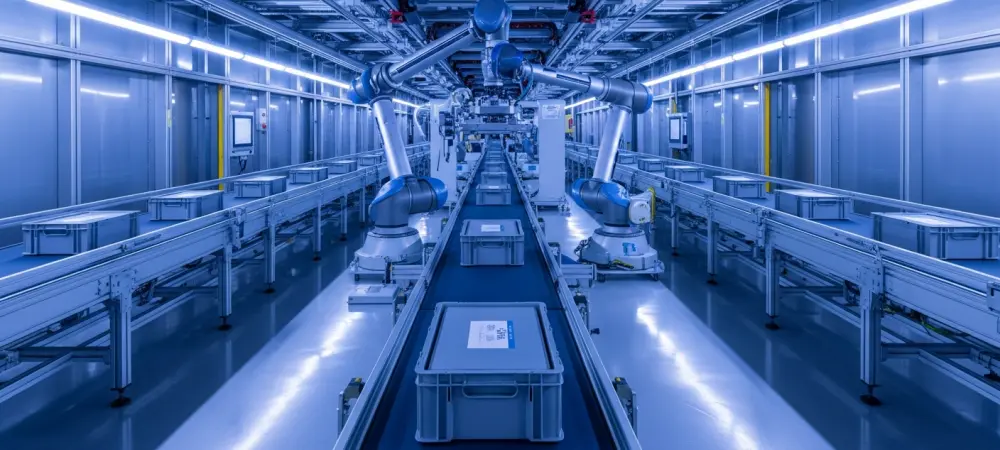
The physical infrastructure supporting this ultra-fast delivery model relies on the proliferation of dark stores, which are small-scale warehouses located in high-density residential zones. Unlike traditional supermarkets designed for foot traffic, these facilities are optimized for rapid picking and packing by specialized staff or robotic assistants. Every square inch is curated based on real-time velocity data, ensuring that high-demand items are positioned for the quickest possible retrieval. This micro-fulfillment strategy minimizes the “last mile” distance, which has historically been the most expensive and time-consuming segment of the delivery process. Retailers like Kroger have invested heavily in these automated modules, allowing them to service thousands of orders per day from a footprint no larger than a convenience store. As these hubs become more integrated into the neighborhood fabric, they serve as the silent engines driving the modern economy.
Beyond the physical buildings, the true innovation lies in the sophisticated algorithmic orchestration that manages fleet movements and inventory levels with surgical precision. Artificial intelligence now predicts localized demand spikes before they occur, allowing companies to pre-stage goods based on weather patterns or historical purchasing trends. For instance, an anticipated rainstorm might trigger the redistribution of umbrellas to specific hubs hours before the first droplet falls. This predictive capability reduces idle time for delivery partners and ensures that the fifteen-minute promise remains a reality even during peak hours. Furthermore, the integration of autonomous drones in suburban markets has expanded the reach of quick commerce beyond the urban core. These technologies work in tandem with human couriers to create a multi-modal delivery network that is both resilient and scalable, setting a new benchmark for efficiency from 2026 to 2029.
Market Evolution: Consumer Psychology and Long-Term Strategy
The shift toward rapid fulfillment has fundamentally changed how households manage their inventories, moving away from the traditional model of bulk shopping and long-term storage. Consumers no longer feel the need to maintain large pantries, as they can acquire what they need in the moment of realization. This “just-in-time” consumption model reduces food waste, as shoppers are less likely to over-purchase perishable items that might expire before use. However, it also demands a higher frequency of transactions, leading to a new digital relationship where brand loyalty is often dictated by speed and availability rather than price alone. Subscription models have become the standard method for retaining these high-frequency users, providing unlimited deliveries for a flat monthly fee. This constant engagement provides retailers with an unprecedented stream of data, allowing them to personalize offers and anticipate needs with a level of accuracy that was once impossible.
The rapid ascent of quick commerce necessitated a complete reimagining of the retail landscape, as businesses successfully moved from reactive delivery models to proactive fulfillment strategies. Looking ahead, companies that prioritized technological agility and hyper-local presence found themselves in the best position to capture the shrinking attention spans of the modern shopper. It became clear that the integration of sustainable logistics, such as electric bike fleets, was essential for long-term viability in an increasingly eco-conscious market. Decision-makers were encouraged to invest in robust data privacy frameworks to protect the influx of consumer information. Strategic leaders emphasized the importance of bridging the gap between digital convenience and social responsibility by ensuring fair labor practices. By harmonizing logistical speed with ethical operations, retailers ensured that the transformation remained a net positive for society.