

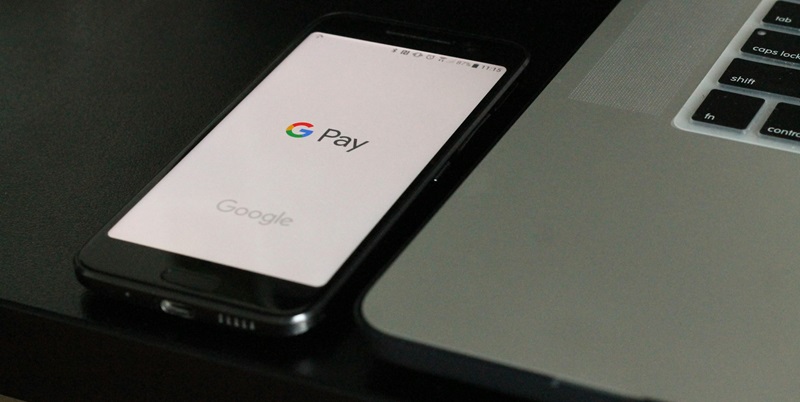
In an effort to keep up with market changes and meet consumer demands, PXP Financial has recently announced its integration as a Google Pay Payment Service Provider (PSP). This strategic move will enable PXP Financial to manage Google Pay integrations and securely process transactions, offering a wide range of benefits to both the company and its clients.
PXP Financial becomes a Google Pay Payment Service Provider (PSP)
With this new integration, PXP Financial has solidified its position as a Google Pay Payment Service Provider (PSP). This means that the company will have the capabilities to effectively handle Google Pay integrations, allowing seamless and secure transactions for its clients.
Benefits of the integration for PXP Financial
Being a Google Pay PSP opens up a plethora of advantages for PXP Financial. Firstly, it grants them access to a massive user base, with Google Pay boasting over 150 million users worldwide. This enables PXP Financial to tap into the growing trend of cashless transactions and cater to a broader market.
Additionally, the integration allows PXP Financial to offer a highly secure payment solution for its clients. Google Pay’s robust security measures ensure that transactions are protected from potential threats, giving peace of mind to both PXP Financial and its customers.
The global reach and popularity of Google Pay
Google Pay’s popularity and global reach make it an attractive choice for PXP Financial. With millions of users globally, Google Pay has become a leading mobile payment application. It has quickly gained popularity due to its convenience and user-friendly interface, making it a preferred choice for many consumers.
Moreover, nearly 800,000 websites currently use Google Pay as their secure payment gateway. This widespread adoption highlights the trust and reliability associated with the platform, further cementing its position in the market.
Kamran Hedjri emphasizes the importance of meeting consumer demands
Kamran Hedjri, the Group CEO for PXP Financial, recognizes the importance of keeping up with market changes and meeting consumer demands. By integrating with Google Pay, PXP Financial shows its commitment to staying ahead of the curve and providing its clients with innovative payment solutions.
Hedjri believes that offering Google Pay as a payment option will greatly enhance convenience for customers, leading to increased sales and improved customer loyalty for merchants.
How Google Pay can help merchants increase sales and customer loyalty
With Google Pay, customers enjoy a seamless and hassle-free payment experience. The ability to make cashless transactions quickly and securely attracts users and encourages repeat purchases. By adding Google Pay to their range of payment solutions, PXP Financial aims to help merchants increase sales and build stronger customer loyalty.
The widespread use of Google Pay as a secure payment gateway
The use of Google Pay as a secure payment gateway is increasingly prevalent in the digital landscape. The platform’s robust security measures and authentication protocols ensure that transactions are safe and protected. This offers peace of mind to both merchants and customers, further driving the adoption of Google Pay.
The significant market share of Google Pay in mobile purchases
Google Pay has established itself as a dominant player in the mobile payment industry. Approximately 20% of all mobile purchases worldwide are made using Google Pay. This statistic highlights the trust and popularity of the platform among consumers, making it an attractive choice for both merchants and payment service providers like PXP Financial.
PXP Financial’s unified payment platform for various transactions
PXP Financial provides a unified payment platform for online, mobile, and point-of-sale transactions. This comprehensive solution enables merchants to accept payments seamlessly across multiple channels. By integrating Google Pay into their platform, PXP Financial enhances its versatility and provides clients with even more options to cater to diverse consumer preferences.
The impressive transaction volume processed by PXP Financial annually
PXP Financial’s unified gateway processes over €22.7 billion annually, supporting business growth for its clients. This substantial transaction volume showcases PXP Financial’s expertise and ability to handle large-scale payment processing while maintaining the highest level of security.
The integration of PXP Financial as a Google Pay PSP marks an exciting milestone for both the company and its clients. By embracing Google Pay’s popularity and convenience, PXP Financial aims to enhance cashless transactions worldwide, help merchants increase sales, and ultimately provide a seamless and secure payment experience for all parties involved. With its unified payment platform and commitment to meeting consumer demands, PXP Financial is well-positioned to thrive in the rapidly evolving digital payment landscape.