

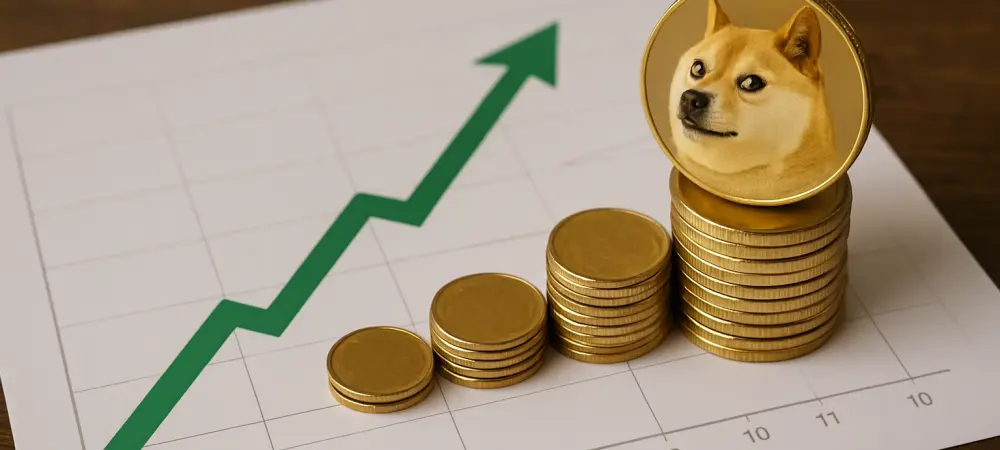
Welcome to an exciting deep dive into the world of meme coins, where humor meets serious investment potential. Today, we’re sitting down with a seasoned expert in cryptocurrency and blockchain technology, renowned for their sharp insights into the volatile and often whimsical meme coin market. With projects like Punisher Coin ($PUN) making waves with nearly $200,000 raised in presale, Mog Coin riding a viral wave, and Book of Meme teasing game-changing roadmap updates, there’s no better time to unpack what’s driving these tokens and what they mean for investors. In this interview, we’ll explore the unique features and community dynamics behind these coins, the innovative mechanisms fueling their growth, and the broader trends shaping the meme coin space. Let’s get started!
What can you tell us about Punisher Coin and what sets it apart in the crowded meme coin market?
Punisher Coin, or $PUN, is an Ethereum-based project that’s really shaking things up by blending storytelling, utility, and community engagement in a way most meme coins don’t. It’s not just about funny memes or hype; it’s built around an immersive narrative and a mission system called Punisher Missions, where holders can participate in challenges and earn rewards. With a presale price of $0.022 and a target listing price of $0.045, it’s also positioned for significant returns—potentially up to 747% for early investors. What makes it stand out is the focus on gamified interaction and tokenomics like burning unsold tokens after each presale stage, which tightens supply and could boost value for holders.
How does the mission system in Punisher Coin work, and what’s the appeal for the community?
The Punisher Missions are essentially a gamified engagement tool. Holders can take on tasks, solve puzzles, or join contests to earn not just $PUN tokens but also USDT in some cases. It’s a brilliant way to keep the community active and invested—literally and figuratively. Instead of passively holding tokens, you’re part of a story, completing challenges that feel like a game but come with real financial rewards. This kind of interactivity is rare in meme coins and creates a stickiness that can drive long-term loyalty.
Can you break down the token burning mechanism and its impact on investors?
Absolutely. At the end of each 7-day presale stage, any unsold tokens from the allocated 26.67 million are burned, meaning they’re permanently removed from circulation. This reduces the total supply over time, creating scarcity. For investors, that’s a big deal because basic supply-demand dynamics suggest that fewer tokens could mean higher value per token, assuming demand holds or grows. It’s a mechanism that rewards early buyers and builds confidence in the project’s commitment to value appreciation.
What’s driving the recent hype around Mog Coin, and how does it fit into broader meme coin trends?
Mog Coin’s recent surge is all about viral meme culture. It’s caught fire thanks to celebrity endorsements and a flood of user-generated content that’s spread like wildfire across platforms like X and Telegram. This reflects a broader trend in meme coins where community energy and humor can drive massive attention overnight. When influencers and everyday users start memeing a coin, it creates a feedback loop of visibility and trading volume. Mog Coin is a textbook case of how cultural relevance can translate into market momentum.
How important is community engagement for a project like Mog Coin, and what role do social platforms play?
Community engagement is everything for meme coins like Mog Coin. Unlike traditional crypto projects that might lean on tech or utility, meme coins thrive on vibes and collective excitement. Platforms like X and Telegram are the lifeblood—they’re where memes are shared, hype is built, and new users are onboarded. Mog Coin’s dedicated following uses these spaces to amplify its branding, turning it into a cultural phenomenon. A strong community can sustain a coin through market dips, and Mog Coin’s social presence is a key driver of its growth.
Turning to Book of Meme, what are your thoughts on their upcoming roadmap reveal and its potential impact?
Book of Meme has been flying under the radar, but this roadmap reveal could be a game-changer. They’re teasing expanded DeFi features, NFT integration, and cross-platform utility, which suggests they’re aiming to be more than just a meme coin. If they pull off a Web3 content layer or meaningful partnerships, it could position them as a serious player in 2025. The impact depends on execution, but the buzz alone is already drawing interest, and a well-thought-out roadmap could solidify trust and attract bigger investors.
How do you see DeFi and NFT features adding value to a meme coin like Book of Meme?
Integrating DeFi and NFTs into a meme coin like Book of Meme can add layers of utility that most meme coins lack. DeFi features, like staking or yield farming, could give holders ways to earn passive income, while NFTs might tie into the project’s lore or offer collectible value. This isn’t just fluff—it creates reasons to hold the token beyond hype. If done right, it could bridge the gap between meme coin fun and real blockchain use cases, making Book of Meme more sustainable in the long run.
Looking at the bigger picture, how do you think meme coins like these are reshaping investor perceptions of crypto?
Meme coins are flipping the script on how people see crypto. They started as jokes, but now they’re showing that community and culture can be as powerful as tech fundamentals in driving value. Projects like Punisher Coin, Mog Coin, and Book of Meme prove that investors are hungry for personality, engagement, and upside potential, not just whitepapers. They’re also lowering the entry barrier—people who might shy away from complex protocols are jumping into meme coins for the fun and profit. It’s making crypto more accessible, but it also raises questions about sustainability and risk.
What’s your forecast for the meme coin market over the next year, especially with projects like these gaining traction?
I think the meme coin market will continue to grow, but it’ll also see more stratification. Over the next year, we’re likely to see a split between fleeting hype-driven tokens and projects like Punisher Coin or Book of Meme that build real ecosystems with utility and community focus. Viral moments will still create overnight sensations like Mog Coin, but longevity will come from innovation—whether it’s gamification, DeFi, or NFT plays. I expect volatility, of course, but also more mainstream acceptance as these coins prove they can deliver value beyond just laughs. The key will be balancing fun with substance, and I’m optimistic that the best projects will rise to the top.