

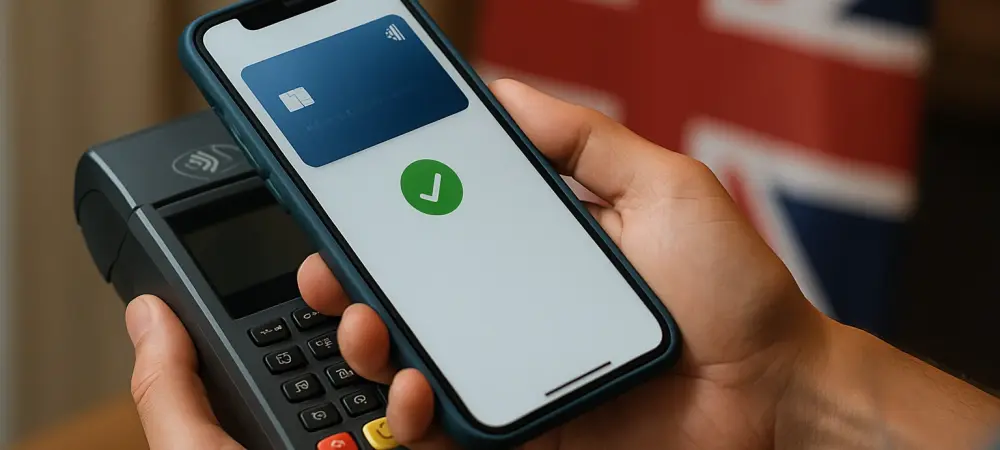
In an era where digital transactions dominate the financial landscape, the challenge of balancing speed, security, and cost in payment systems has become a pressing concern for businesses across the UK, as merchants and corporate clients often grapple with the inefficiencies of traditional methods like manual bank transfers or card payments, which can be slow, expensive, and prone to fraud. A groundbreaking partnership between Prommt, a leader in remote payment platforms, and Payit by NatWest, a pioneering open banking solution, is poised to address these pain points. By merging cutting-edge technology with innovative payment orchestration, this collaboration offers a transformative approach that promises to streamline transactions while enhancing the experience for both businesses and their customers. The implications of this alliance signal a significant shift in how payment processes are managed, setting a new standard for efficiency and security in the industry.
Harnessing Open Banking for Seamless Transactions
The integration of Prommt’s sophisticated payment platform with Payit by NatWest’s open banking technology marks a pivotal advancement in modern payment solutions. This synergy allows merchants to dynamically select between Payit’s Pay by Bank option for instant bank-to-bank transfers or Tyl by NatWest for card payments, based on transaction value. The Pay by Bank feature eliminates the need for sort codes, account numbers, or card details, cutting out costly card scheme and interchange fees—particularly beneficial for high-value transactions. Meanwhile, Prommt enhances this with a merchant-branded interface, enabling payment requests through SMS, email, or direct links, alongside features like scheduled sends, group payments, and recurring options. With seamless API integration for web checkouts, mobile apps, and ERP systems, the solution adapts effortlessly to diverse business needs. This powerful combination not only reduces costs but also simplifies the payment journey, offering a level of flexibility and control that traditional systems struggle to match.
Driving Efficiency and Customer Satisfaction
Beyond technological innovation, this partnership delivers tangible benefits in operational efficiency and customer experience, as evidenced by real-world applications. A leading UK automotive dealership group with 22 locations adopted this system to enable a “drive away today” service, allowing customers to complete high-value transactions instantly and securely. The immediate payment confirmation and real-time notifications provided by the platform streamlined reconciliation and fulfillment, significantly reducing delays. Additionally, the solution minimized fraud risks, a critical concern in large transactions, while enhancing customer satisfaction through a smooth, intuitive process. Insights from industry leaders like Prommt’s Chief Commercial Officer, Adam Ball, and Payit’s CEO, James Hodgson, reinforce the impact of this collaboration. Their shared vision highlights how open banking, paired with tailored payment orchestration, empowers businesses with greater visibility and efficiency, ultimately redefining the payment landscape for the better.