

As the digital marketplace evolves, the line between simple payment processing and comprehensive commerce enablement is blurring. This transformation is highlighted by Pine Labs’ strategic acquisition of Shopflo, a move that signals a pivot toward “intelligent checkouts” designed to maximize merchant revenue. By integrating sophisticated optimization tools directly into the payment infrastructure, the industry is moving toward a future where every transaction is an opportunity for engagement rather than just a technical exchange of funds. This conversation explores how merging backend reliability with frontend intelligence is reshaping the way 1,000 brands and 60 million consumers interact at the point of sale, focusing on the technical synergies of loyalty, open banking, and automated checkout flows.
Moving from simple payment collection to intelligent checkout optimization marks a significant shift in merchant services. How does merging payment rails with features like automated coupon validation and one-click logins specifically impact conversion rates, and what are the primary hurdles in standardizing this across different e-commerce brands?
The shift from just “collecting” a payment to actively “converting” a visitor is what defines the next generation of merchant services. By merging payment rails with one-click logins and automated coupon validation, we drastically reduce the friction that leads to cart abandonment, which is the silent killer of online retail. When a customer doesn’t have to hunt for a discount code or re-type their shipping address, the psychological barrier to completing a purchase drops significantly. The primary hurdle in standardizing this across diverse brands is the technical fragmentation of various e-commerce platforms, but by reaching a massive base of 60 million consumers, we are creating a familiar, trusted interface that works regardless of where the customer shops.
Integrating checkout tools with existing payment infrastructure involves creating a single workflow for millions of consumers. What technical strategies are necessary to ensure that affordability options, such as gift cards and prepaid balances, appear automatically without increasing latency, and how do smart retries improve overall transaction success?
To maintain a seamless experience for millions, we have developed a single workflow that prioritizes speed and reliability through pre-filled forms and intelligent ordering of payment methods. Affordability options like gift cards and prepaid balances are integrated directly into the initial checkout load, ensuring they appear automatically based on the user’s recognized profile without adding extra seconds to the page load. We also employ smart retries that analyze live success rates in real-time; if a specific bank or gateway is failing, the system can immediately suggest or attempt an alternative path. This approach ensures that a technical glitch doesn’t result in a lost sale, effectively boosting the overall success rate for every merchant on the stack.
The strategy of acquiring specialized platforms for gift cards, loyalty programs, and open banking APIs suggests an effort to build a comprehensive commerce stack. How do these diverse components now work together to create a unified reporting system, and what specific synergies arise when checkout intelligence meets backend settlement services?
Our expansion has been a calculated assembly of specialized capabilities, including the $110 million acquisition of Qwikcilver for gift cards in 2019 and the $45 million purchase of Fave for loyalty features in 2021. By combining these with Setu’s open banking APIs, we have created a backend where rewards, credit, and cash all flow through the same Plural payment gateway. This creates a powerful synergy because the checkout intelligence knows exactly which loyalty points or gift card balances a user has available before they even choose a payment method. For the merchant, this results in a unified reporting and settlement system, meaning they no longer have to reconcile data from three or four different vendors to understand their daily revenue.
With over 1,000 brands currently utilizing these enablement tools, scaling to a broader merchant base requires a delicate balance of customization and automation. What are the step-by-step requirements for a merchant to transition to this unified stack, and how do data analytics help them track and influence customer behavior?
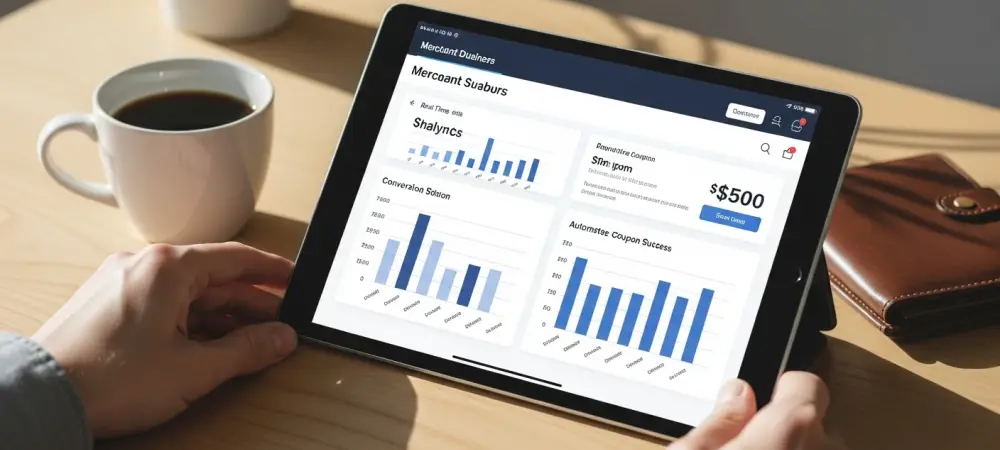
Transitioning to this unified stack is designed to be a straightforward process where the merchant integrates our customizable checkout system into their existing online storefront. Once the integration is active, the merchant gains access to an automated discount engine and a suite of data analytics tools that provide deep insights into how users interact with the checkout page. These analytics allow brands to see exactly where customers drop off and which specific coupons are driving the highest conversion value in real-time. By utilizing this data, a merchant can move beyond guesswork and begin to influence customer behavior through targeted offers and a more personalized buying journey.
What is your forecast for e-commerce checkout technology?
I forecast that e-commerce checkout technology will move toward a state of “invisible commerce” where the checkout process becomes a background utility rather than a separate, manual step for the consumer. We will see a massive rise in hyper-personalized payment flows where the system automatically applies the best combination of loyalty points, gift cards, and bank discounts without the user clicking a single button. This evolution will be driven by universal consumer identities that allow a shopper’s preferences and balances to follow them across the entire web. Ultimately, the merchants who win will be those who treat the checkout not as the end of a transaction, but as a continuous, high-value touchpoint in the customer relationship.