

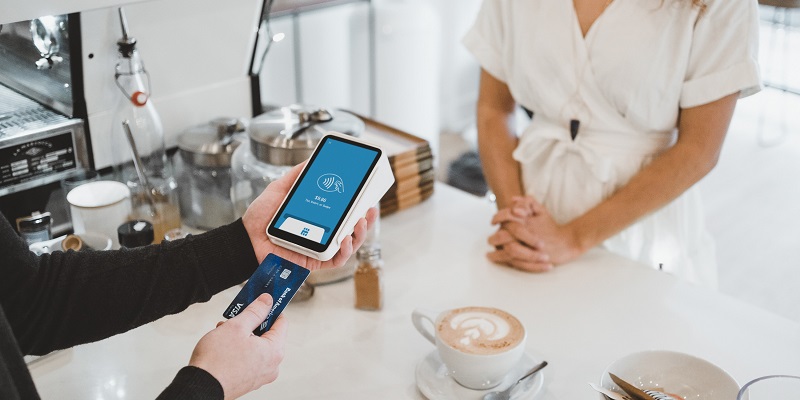
In today’s competitive marketplace, it is crucial for businesses to go the extra mile in personalizing and optimizing payment processes. By tailoring payment experiences to meet customers’ preferences, businesses can reduce friction, increase customer satisfaction, and ultimately drive sales. This article explores various strategies for personalizing payment processes to enhance the overall customer experience.
Offering the Option to Save Payment Information
One of the best ways to personalize and optimize payment processes is to offer customers the option to save their payment information. By allowing customers to securely store their payment details, businesses can streamline the checkout process and make it more convenient for future purchases. This not only saves time but also reduces the chances of cart abandonment, leading to higher conversion rates.
Localized Payment Experiences
Consider offering localized payment experiences for your customers to reduce friction and increase the likelihood of purchases. This can be achieved by providing multiple payment options that are popular or preferred in different geographical locations. For example, integrating local payment gateways or accepting various digital wallets can cater to customers’ specific needs, enhancing their trust and satisfaction.
Personalized Add-ons and Upsells
To increase the final order value of a product, businesses can offer personalized add-ons and upsell opportunities. By analyzing customers’ preferences, purchase history, and browsing behavior, businesses can tailor offers that resonate with their individual needs. This approach creates the impression that you’re trying to help your customers and personalize the buying experience, which can significantly boost sales.
Building Trust and Personalization through Payment Methods
Personalizing payment methods can help establish trust, enhance your brand image, and build a bond with your customers. By offering secure and reputable payment options, such as trusted third-party processors or encryption technologies, businesses can instill confidence in customers. Additionally, incorporating customization options within the payment process, such as personalized payment confirmation emails, can enhance the overall experience.
Upselling and Cross-selling Tips
To make upselling and cross-selling a success, it is important not to overwhelm the buyer and push them to buy more. Instead, businesses should focus on understanding customers’ needs and suggesting relevant products or services that complement their purchase. By offering personalized recommendations and highlighting the benefits of additional items, customers are more likely to make additional purchases, leading to increased revenue.
Special Personalized Discounts and Promotional Codes
Offering special personalized discounts and promotional codes can attract attention and reduce hesitation when making a purchase. By analyzing customer data and purchase history, businesses can segment their customer base and create targeted offers. Personalized discounts not only make customers feel valued but also provide them with an incentive to make a purchase, driving higher conversion rates.
Quick Purchasing with Saved Payment Information
By offering the option to save payment information, businesses can help ensure that customers can buy quickly in the future. This convenience not only saves time but also reduces the friction associated with re-entering payment details for repeat purchases. Moreover, it strengthens customer loyalty as they associate your brand with a seamless and effortless purchasing experience.
Displaying Prices in Local Currency
To cater to customers’ specific needs, showing your product’s prices in the local currency is essential. It eliminates confusion and makes it clear that your brand is focused on providing a customer-centric experience. By automatically converting prices or integrating real-time currency conversion tools, you remove barriers to purchase and improve the overall user experience.
Creating Holiday and Event-Related Offers
To attract attention and personalize the buying experience, businesses can create discounts, codes, and offers related to holidays or major events. This shows that your brand understands and values the customer’s cultural and social context. By aligning your promotions with relevant occasions, you can create a sense of urgency and tap into the emotional aspect of purchasing, leading to increased sales.
Personalizing payment processes is crucial for businesses looking to enhance the customer experience and drive sales. By offering the option to save payment information, providing localized payment experiences, offering personalized add-ons and upsells, building trust through secure payment methods, and creating special discounts, businesses can optimize the payment journey and foster long-term customer loyalty. By investing in personalization, businesses can differentiate themselves from the competition, increase customer satisfaction, and achieve business growth.