

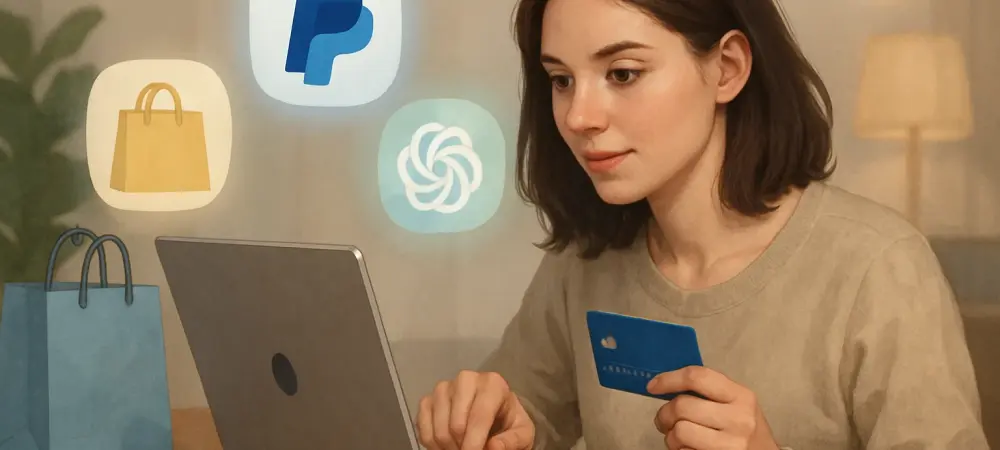
I’m thrilled to sit down with Nicholas Braiden, a pioneering figure in the FinTech space and an early adopter of blockchain technology. With his deep expertise in financial innovation, Nicholas has been a guiding force for startups looking to harness technology to revolutionize digital payments and lending. Today, we’re diving into the groundbreaking partnership between PayPal and OpenAI, exploring how it’s set to transform the shopping experience through AI-driven commerce. Our conversation will touch on the goals of this collaboration, the unique features it offers to users and merchants, the technology powering it, and what this means for the future of online transactions.
Can you walk us through the vision behind PayPal teaming up with OpenAI for agentic shopping?
Absolutely. The core vision of this partnership is to create a seamless, end-to-end shopping experience using AI. By embedding PayPal’s digital wallet into ChatGPT, they aim to let users discover products and complete purchases without ever leaving the platform. It’s about leveraging AI to make shopping more intuitive and efficient, bridging the gap between discovery and transaction in a way that feels natural to the user.
How did this collaboration between PayPal and OpenAI come to life?
From what I understand, this partnership evolved from a shared goal to push the boundaries of agentic commerce. OpenAI was already exploring ways to integrate payment systems into ChatGPT, and PayPal brought its expertise in secure, scalable payment solutions to the table. It was a natural fit—OpenAI’s AI capabilities paired with PayPal’s robust payment infrastructure created an opportunity to redefine how people shop online.
What should users expect when shopping through ChatGPT with this new feature?
Users can look forward to a fully integrated experience. Starting next year, they’ll be able to search for products, get personalized recommendations, and check out—all within ChatGPT. It’s designed to feel conversational, almost like chatting with a helpful assistant who not only finds what you need but also handles the purchase process for you.
How does this shopping experience stand out compared to traditional online shopping?
The biggest difference is the level of integration and simplicity. Traditional online shopping often involves jumping between websites, apps, or search engines. With this setup, everything happens in one place. Plus, the AI tailors suggestions based on your queries, and since the results are organic and not sponsored, there’s a focus on relevance over paid promotion, which feels more trustworthy.
Can you explain how PayPal facilitates the behind-the-scenes work for merchants in this partnership?
PayPal plays a crucial role by handling all the heavy lifting for merchants. Sellers don’t need to build direct integrations with OpenAI or manage complex setups. PayPal takes care of routing, payments, and back-office tasks, making it incredibly easy for merchants to get their products listed on ChatGPT. This lowers the barrier to entry, especially for smaller businesses.
What specific benefits does this offer to small businesses compared to larger retailers?
For small businesses, this is a game-changer because it levels the playing field. They gain access to a massive audience through ChatGPT without needing the resources or technical know-how that larger retailers might have. PayPal’s infrastructure ensures they can compete on equal footing, with their products being just as discoverable as those from bigger brands, thanks to the organic ranking system.
How does the technology behind this integration work to connect shoppers and merchants?
The backbone of this integration is the Agentic Commerce Protocol, or ACP, an open-source specification developed by OpenAI with input from other players in the payments space. ACP creates a framework that allows merchants to make their product catalogs available within AI tools like ChatGPT. It essentially acts as a bridge, enabling AI agents to facilitate shopping by connecting consumers with relevant products in a standardized way.
Why was it important to make ACP an open-source specification?
Making ACP open-source is key to fostering broader adoption and innovation. It allows developers, merchants, and other platforms to build on this protocol, creating a more interconnected ecosystem. By not locking it down, they’re encouraging a collaborative approach where more players can contribute to and benefit from agentic commerce, ultimately driving faster evolution in the space.
How are product results presented to users in ChatGPT, and what ensures fairness in the rankings?
Product results in ChatGPT are designed to be organic, meaning they’re not influenced by paid sponsorships or ads. Instead, they’re ranked based on relevance to the user’s query. The AI assesses factors like the match between the search terms and product details, aiming to show the most useful options first. This approach prioritizes user experience over commercial interests, which is a refreshing shift.
Looking ahead, what’s your forecast for the impact of AI-driven commerce on the future of digital payments?
I believe AI-driven commerce, like what we’re seeing with PayPal and OpenAI, is just the beginning of a major transformation in digital payments. Over the next decade, I expect transactions to become even more embedded in everyday interactions—think buying something mid-conversation with a chatbot or through a voice assistant without a second thought. The focus will be on invisibility, where payments happen so seamlessly that users barely notice them. But this will also bring challenges around privacy and security that the industry will need to address head-on. I’m optimistic, though—innovations like ACP show we’re moving toward a more connected, user-centric future.